Mining Sovereignty: Burkina Faso inaugurates its first gold refinery
Burkina Faso has inaugurated its first national gold refinery, Raffinor-BF, marking a significant step towards economic independence and local value creation for its primary mining resource. The facility aims to process 164 tons of gold annually, with plans to expand to 5…
Intelligence analysis by Gemini 2.5 Flash
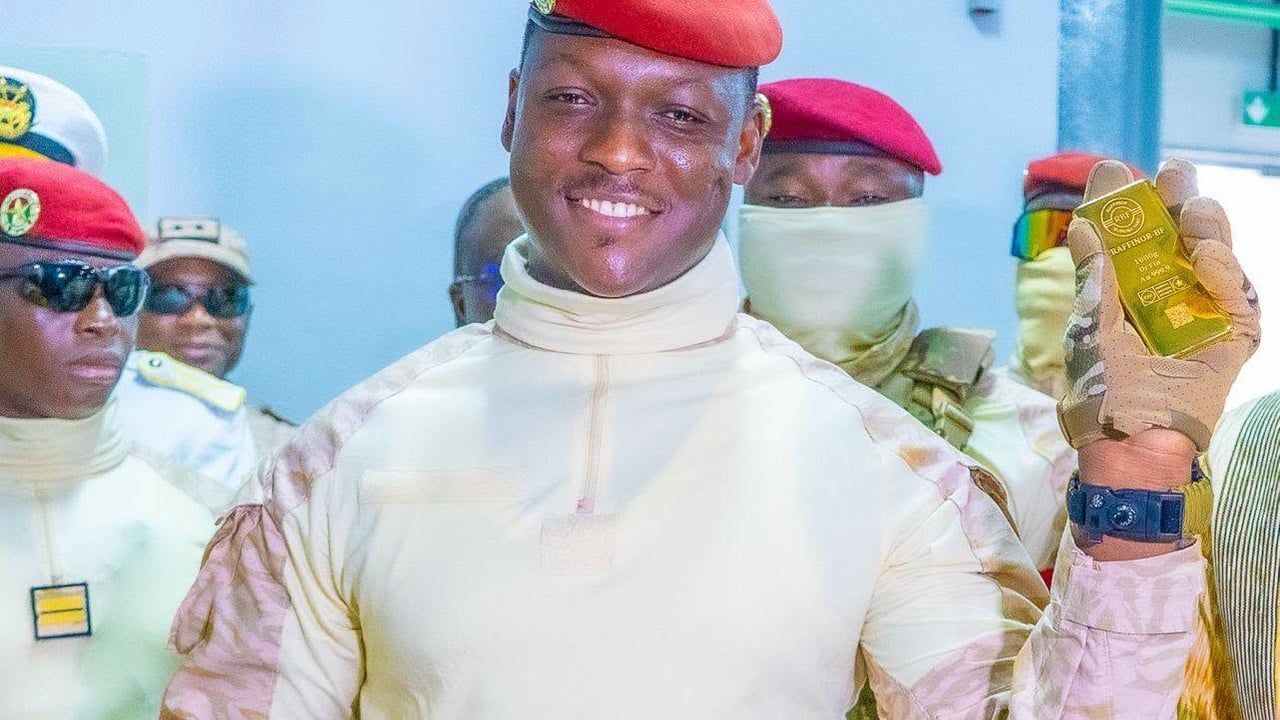
Burkina Faso's military government, led by Captain Ibrahim Traoré, has opened its first national gold refinery, Raffinor-BF, as part of a broader strategy to assert "mining sovereignty." This initiative seeks to process the nation's gold domestically, generate local employment, and retain more value from its mineral wealth, rather than exporting raw materials.
Imagine Burkina Faso is like a kid who finds lots of shiny gold rocks. Before, they just sold the raw rocks to other kids who would clean them up and make them into cool jewelry, keeping most of the money. Now, Burkina Faso has built its own special cleaning machine, a refinery, so they can clean the gold themselves, make more money, and create jobs for their friends, keeping the treasure at home.
Analysis
Ibrahim Traoré
The inauguration of Raffinor-BF is a cornerstone of Captain Ibrahim Traoré's administration's policy of "mining sovereignty." Traoré, the head of the Burkinabe junta, explicitly stated the ambition to refine all metals domestically, moving beyond merely extracting and exporting raw materials. This move is framed as a critical step towards economic independence, directly challenging the historical model where the nation's resources primarily generated value abroad. The military government's emphasis on local processing aligns with a broader nationalist agenda, aiming to demonstrate tangible benefits of their rule to the populace. By controlling the entire value chain, from extraction to refining, the government seeks to maximize national revenue and ensure that the wealth generated from gold benefits its own citizens. This strategic shift is a direct response to past grievances regarding foreign exploitation of natural resources.
Raffinor-BF
The National Gold Refinery of Burkina Faso (Raffinor-BF) represents a substantial investment in the country's industrial infrastructure. With an initial annual production capacity of 164 tons, projected to increase to 515 tons, it positions Burkina Faso to become a major player in regional gold processing. The project, costing over 11 billion CFA francs, was financed through a partnership between the Burkinabe state and the national private sector, highlighting a commitment to local ownership and investment. Beyond its processing capacity, Raffinor-BF is expected to create significant socio-economic benefits. Official figures project 100 direct jobs and 5,000 indirect jobs, which would provide much-needed employment opportunities in a country facing economic challenges. This job creation aspect is vital for demonstrating the practical impact of the "mining sovereignty" policy on the lives of ordinary Burkinabe citizens.
Economic Independence
The concept of "economic independence" is central to the Burkinabe government's narrative surrounding the refinery. Minister of Mines, Yacouba Zabré Gouba, articulated this sentiment by stating, "Our gold will no longer be used to create added value for others while our people remain in need." This reflects a strong desire to break away from a colonial economic legacy where African nations often served as raw material suppliers. By refining gold domestically, Burkina Faso aims to capture a larger share of the profits and value-added processes, which traditionally occurred in foreign markets. This strategy is intended to bolster national reserves, fund development projects, and improve living standards for its population. The inauguration of Raffinor-BF is thus not just an industrial event but a symbolic declaration of intent to control its economic destiny and leverage its natural resources for national development.
Key points
- Burkina Faso inaugurated its first national gold refinery, Raffinor-BF, on September 28.
- The refinery has an initial annual capacity of 164 tons, projected to reach 515 tons.
- The project cost over 11 billion CFA francs, financed by the state and national private sector.
- It aims to create 100 direct and 5,000 indirect jobs.
- The initiative is central to the government's "mining sovereignty" policy to process gold domestically and retain value.
The refinery could significantly boost Burkina Faso's economy by retaining more value from its gold production, leading to increased national revenue and funding for development projects. It is also expected to create thousands of direct and indirect jobs, improving livelihoods and fostering local industrial growth.
While ambitious, the project faces challenges including ensuring consistent gold supply, maintaining operational efficiency, and navigating potential geopolitical pressures or market fluctuations. The success of job creation and economic independence hinges on effective management and stability in a region prone to insecurity.