Ministries join hands to rebuild war-damaged healthcare infrastructure
Iran's ministries of health and foreign affairs have signed a cooperation agreement to rebuild healthcare infrastructure damaged during the US-Israeli imposed war. The agreement aims to leverage diplomacy and the health sector to support the reconstruction of damaged infr…
Intelligence analysis by Llama
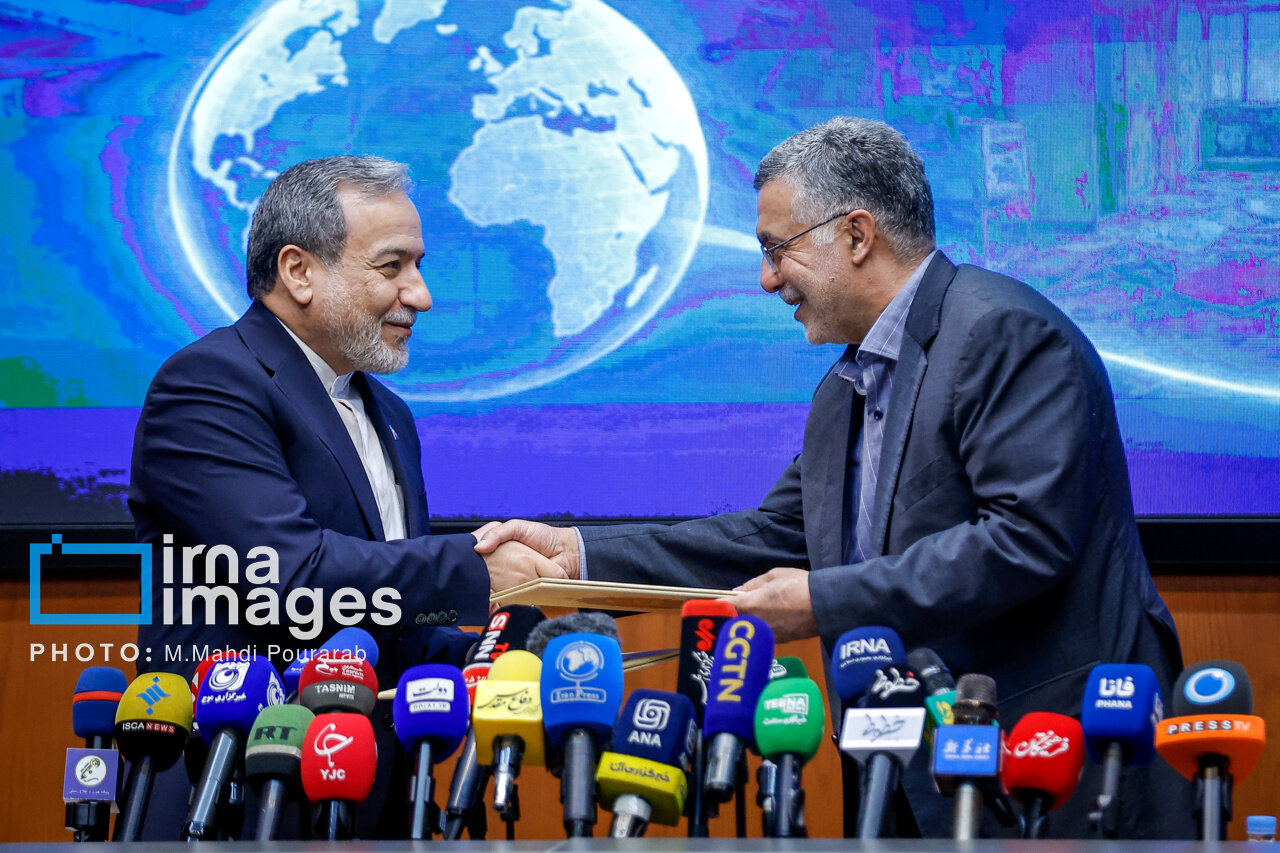
Iran's health and foreign affairs ministries have joined forces to rebuild healthcare infrastructure damaged during the US-Israeli imposed war. The agreement will focus on the reconstruction of Andimeshk Hospital in southwestern Khuzestan province, one of the healthcare facilities damaged during the conflict.
Imagine a big war that damaged many hospitals and medical centers in Iran. The government is working with other countries to fix these places and make sure people have access to medical care. This is important because hospitals and medical centers are like superheroes that help people when they are sick or hurt.
Analysis
Rebuilding Healthcare Infrastructure in the Wake of War
The recent US-Israeli imposed war has left Iran's healthcare infrastructure in shambles. The destruction of medical facilities and equipment has crippled the country's emergency response capacity, forcing hospitals to shut down and ambulances to be destroyed. The assault on healthcare is not merely incidental but systemic, violating the Geneva Conventions and the UN Charter's protection of medical personnel and facilities.
In response to this crisis, Iran's ministries of health and foreign affairs have signed a cooperation agreement to rebuild healthcare infrastructure. The agreement seeks to leverage the capacities of diplomacy and the health sector to support the reconstruction of damaged infrastructure and strengthen domestic and international partnerships. The reconstruction of Andimeshk Hospital in southwestern Khuzestan province will be the first joint project undertaken by the two ministries.
The agreement also highlights the important role of Iranians living abroad and international campaigns in supporting the reconstruction of healthcare infrastructure. As per the agreement, the participation of Iranians abroad and public fundraising efforts, alongside the capabilities of the diplomatic apparatus and the country's healthcare system, could help expand cooperation and accelerate the reconstruction of damaged healthcare infrastructure.
On the sidelines of the signing ceremony, Foreign Minister Abbas Araqchi highlighted the role of health diplomacy in securing medicines and medical equipment during the recent war. He noted that all Iranian diplomatic missions abroad have been tasked with supporting the country's healthcare system, and that health diplomacy includes technology transfer, medicine and medical equipment procurement, and other forms of international cooperation.
Araqchi also highlighted financial assistance from Iranian expatriates, saying millions of dollars in donations were collected during and after the war. He noted that donations also came from Muslims, Shia communities, and supporters of the Islamic Revolution. The foreign ministry subsequently sought to channel the donations into specific reconstruction projects, Araqchi said, adding that Iranian expatriates had nearly covered the estimated cost of rebuilding a hospital in the city of Ahvaz, southwestern Khuzestan province.
The agreement is a significant step towards rebuilding Iran's healthcare infrastructure and strengthening the country's emergency response capacity. It also underscores the importance of health diplomacy in securing medicines and medical equipment during wartime.
Key points
- Iran's ministries of health and foreign affairs have signed a cooperation agreement to rebuild healthcare infrastructure damaged during the US-Israeli imposed war.
- The agreement aims to leverage diplomacy and the health sector to support the reconstruction of damaged infrastructure and strengthen domestic and international partnerships.
- The reconstruction of Andimeshk Hospital in southwestern Khuzestan province will be the first joint project undertaken by the two ministries.
- The agreement highlights the important role of Iranians living abroad and international campaigns in supporting the reconstruction of healthcare infrastructure.
- Financial assistance from Iranian expatriates has been collected during and after the war, with millions of dollars in donations being channeled into specific reconstruction projects.
If this agreement is successful, it could lead to the reconstruction of many damaged healthcare facilities in Iran. This would improve the country's emergency response capacity and ensure that people have access to medical care. Additionally, the agreement could also lead to increased international cooperation and support for Iran's healthcare system.
However, the reconstruction of healthcare infrastructure in Iran is a complex and challenging task. The country's healthcare system is still reeling from the effects of the war, and there are concerns about the availability of medical supplies and equipment. Additionally, the agreement may face challenges in terms of funding and implementation.