Mission in Iran war has pivoted toward ensuring oil flow, Trump official says
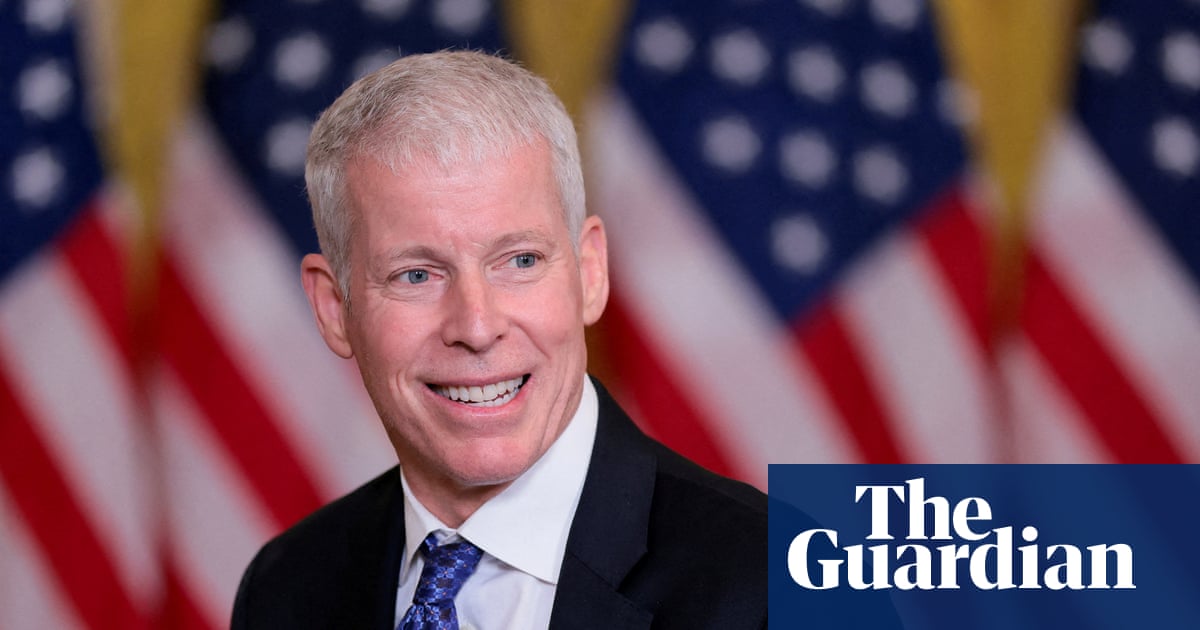
A Trump administration official defended the US war with Iran after months of promised diplomatic breakthroughs and the deaths of two more American troops. The mission has shifted toward ensuring oil shipments can move through the strait of Hormuz.
Intelligence analysis by Llama
The US war with Iran has pivoted toward ensuring oil flow through the strait of Hormuz, according to a Trump administration official. The shift comes after months of promised diplomatic breakthroughs and the deaths of two more American troops.
Imagine you're trying to get a big truck to drive through a narrow road. The truck is like the oil shipments, and the road is like the strait of Hormuz. The US war with Iran is like trying to make sure the truck can drive through the road without any problems. But the problem is that the truck is being attacked by someone, and the US needs to find a way to make sure the truck can still drive through the road safely.
Analysis
A Shift in Strategy
The US war with Iran has undergone a significant shift in strategy, with the mission now focused on ensuring oil shipments can move through the strait of Hormuz. This pivot comes after months of promised diplomatic breakthroughs and the deaths of two more American troops. The Trump administration's decision to shift its focus to oil flow is a response to the ongoing conflict and the need to maintain stability in the region. The US has continued to degrade Iran's offensive military capabilities, but the conflict remains a complex and challenging issue.
The Cost of War
The US war with Iran has come at a significant cost, with the deaths of 16 American military members and the ongoing conflict in the region. The war has also sparked criticism from Democrats, who argue that the Trump administration has failed to accomplish its previously stated objectives. The conflict has been marked by a series of short-lived ceasefires and the deaths of two more American troops. The US senator Mark Warner has described the conflict as a 'war of choice' that was launched without an imminent threat.
The Road Ahead
The US war with Iran remains a complex and challenging issue, with the conflict ongoing and the need to maintain stability in the region. The Trump administration's decision to shift its focus to oil flow is a response to the ongoing conflict and the need to maintain stability in the region. The US has continued to degrade Iran's offensive military capabilities, but the conflict remains a significant challenge.
Key points
- The US war with Iran has pivoted toward ensuring oil flow through the strait of Hormuz.
- The conflict has been marked by a series of short-lived ceasefires and the deaths of two more American troops.
- The US senator Mark Warner has described the conflict as a 'war of choice' that was launched without an imminent threat.
- The Trump administration's decision to shift its focus to oil flow is a response to the ongoing conflict and the need to maintain stability in the region.
If the US war with Iran can be resolved peacefully, it could lead to a significant reduction in tensions in the region and a decrease in the cost of oil. This could have a positive impact on the global economy and lead to increased stability in the region.
If the US war with Iran continues, it could lead to a significant increase in the cost of oil and a decrease in global economic stability. This could also lead to a further escalation of the conflict and a worsening of the humanitarian situation in the region.
Market signals
- OIL The conflict in Iran has increased the risk of supply disruptions, pushing oil prices higher.
AI-generated analysis of potential market relevance. Not financial advice.