Mixing caffeinated drinks to stay alert? CASE warns youth about excessive caffeine intake
Singapore's Consumers Association (CASE) warns youth against mixing caffeinated drinks like matcha, coffee, and energy drinks after tests revealed dangerously high caffeine levels, exceeding recommended daily limits for adolescents.
Intelligence analysis by Gemini 2.5 Flash
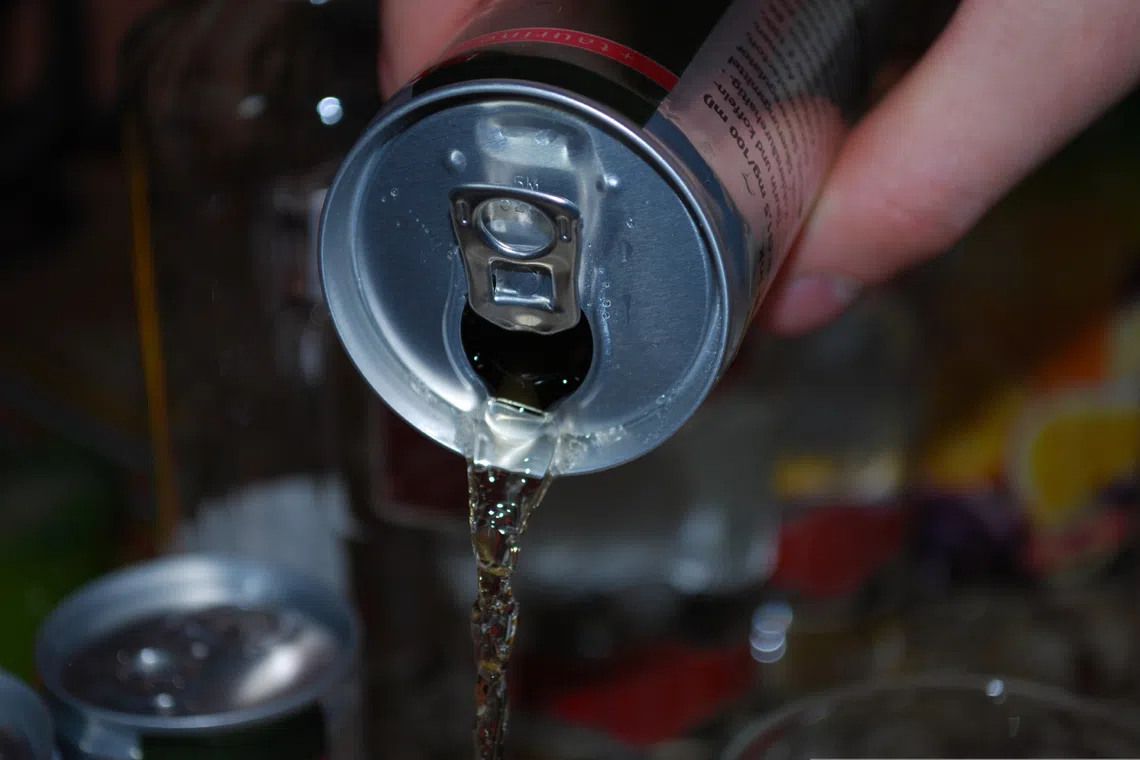
CASE conducted tests on various caffeinated drink combinations, finding that all six exceeded the daily recommended caffeine intake for 12- to 18-year-olds. The highest concentration, nearly triple the safe limit, was found in a mix of espresso and two energy drinks, prompting the watchdog to urge caution among youth and parents regarding caffeine consumption.
Imagine your body is like a little car. Caffeine is like super-fast fuel. A little bit helps you go, but too much can make your engine sputter and shake, or even stop you from sleeping! Singapore's consumer group, CASE, found that mixing different speedy drinks like coffee and energy drinks can put way too much fuel in your tank, making it dangerous for young people.
Analysis
The Consumers Association of Singapore (CASE) has issued a significant warning to young people and their parents regarding the dangers of excessive caffeine intake, particularly from mixing various caffeinated beverages. This advisory stems from recent tests conducted by the watchdog, which revealed that popular concoctions, including combinations of matcha, coffee, and energy drinks, contained caffeine levels far exceeding the recommended daily limits for adolescents. The initiative by CASE underscores a proactive approach to consumer protection, aiming to arm the public with objective information about potential health risks associated with common consumption habits.
Consumers Association of Singapore
CASE's decision to conduct these tests and issue a public warning was prompted by local media reports highlighting young people's tendency to mix such drinks, often with the goal of staying alert, especially during exam periods. This practice raised concerns that young consumers might not fully grasp how quickly caffeine intake accumulates when different sources are combined. The watchdog's role is crucial in educating the public about these hidden dangers, providing clear guidelines, and advocating for safer consumption practices. Their efforts are vital in a society where access to a wide array of caffeinated products is readily available, and the nuances of safe consumption may not be widely understood by younger demographics.
282.1mg
The most alarming finding from CASE's tests was a mixture of espresso, Monster, and Red Bull energy drinks, which contained a staggering 282.1mg of caffeine per 350g serving. This amount is nearly triple the recommended maximum daily caffeine intake of 100mg for adolescents aged 12 to 18, as advised by the American Academy of Pediatrics, and is equivalent to about three cups of brewed coffee. Such high levels of caffeine can lead to a range of adverse health effects, including headaches, rapid heart rate, anxiety, tremors, and insomnia. The stark numerical evidence provided by CASE serves as a potent reminder of the immediate physiological risks associated with consuming such potent combinations, emphasizing the need for vigilance among youth and their guardians.
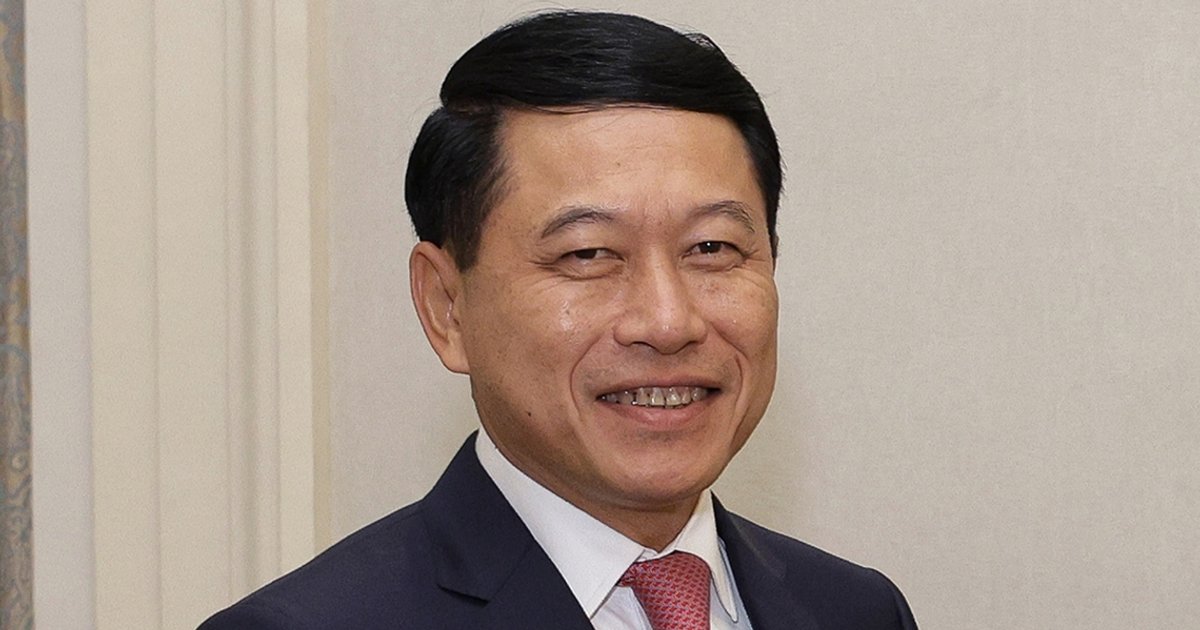
Melvin Yong
Melvin Yong, the president of CASE and MP for Radin Mas SMC, has been a vocal advocate on this issue. He previously raised concerns in Parliament in September 2025, inquiring whether the Ministry of Health was studying overseas measures to restrict the sale of high-caffeine energy drinks to youth and if local studies on their impact were underway. While the ministry indicated no local studies were being conducted at the time, Yong's continued push highlights the seriousness of the issue. His advice for youth and parents to monitor total caffeine intake and avoid mixing multiple sources aligns with the broader public health objective of preventing caffeine-related health complications. The context of the UK's planned ban on high-caffeine energy drinks for under-16s from April 2027 further illustrates a global trend towards stricter regulation to protect children's health, potentially influencing future policy discussions in Singapore.
Key points
- Singapore's Consumers Association (CASE) warns youth against mixing caffeinated drinks due to excessive caffeine levels.
- Tests found that all six common caffeinated drink combinations exceeded the daily recommended limit for 12- to 18-year-olds.
- A mix of espresso, Monster, and Red Bull contained 282.1mg of caffeine, nearly triple the adolescent daily limit of 100mg.
- High caffeine intake can cause headaches, rapid heart rate, anxiety, tremors, and insomnia.
- CASE president Melvin Yong urges youth and parents to monitor total caffeine intake and avoid mixing multiple sources.
- The UK plans to ban the sale of high-caffeine energy drinks to under-16s from April 2027.
Increased public awareness from CASE's warning could lead to more responsible caffeine consumption habits among Singaporean youth and their parents. This might also spur further discussions on clearer labeling or even policy changes, potentially reducing health risks associated with excessive caffeine intake.
Despite the warnings, youth might continue to mix caffeinated drinks, especially during stressful periods like exams, potentially leading to persistent health issues such as anxiety, heart problems, and sleep disturbances if awareness campaigns are insufficient or regulations are not implemented.