ModelBest's on-device AI model is coming to Samsung smartphones
ModelBest's MiniCPM models will ship on Samsung flagships as China formalizes more smartphone AI services for commercial use.
Intelligence analysis by GPT-5.4 Mini
The article frames ModelBest's Samsung deal as another sign that on-device AI is moving from demo status into real phone deployments. It also points to a broader shift in which smartphone makers are increasingly open to outside model suppliers instead of building every AI feature in-house.
ModelBest made a tiny but smart AI brain that can live inside a phone, like a helper that fits in a backpack instead of needing a big office. Samsung wants to use that helper in its phones, so people can get AI features right on the device.
Analysis
A Phone-Sized AI Race Is Taking Shape
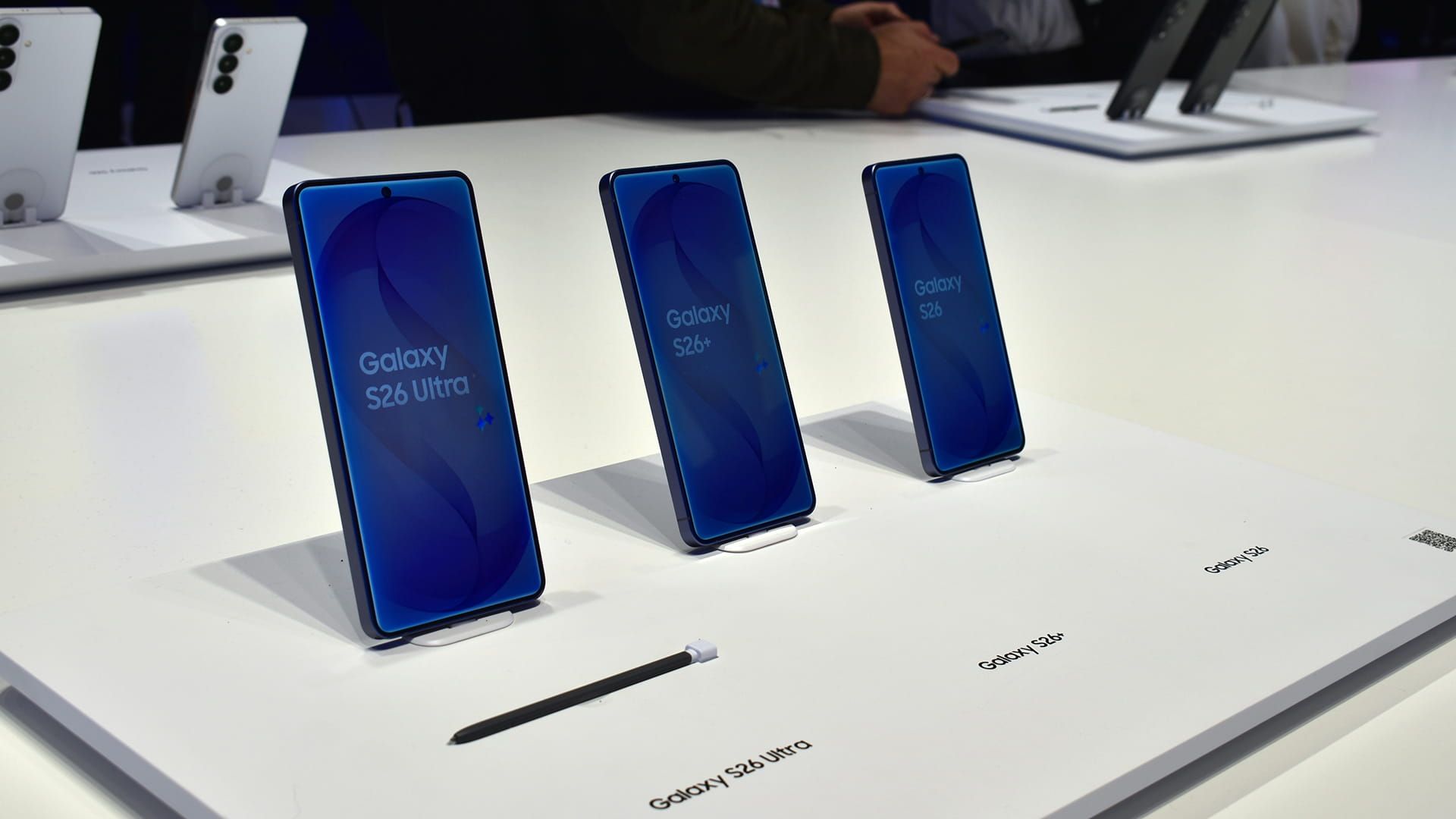
ModelBest's deal with Samsung matters less as a single partnership than as a marker of where the market is heading. The article says MiniCPM models will be installed on several Samsung flagship phones, which places a Chinese on-device model inside a global premium device line.
That move sits alongside China's latest round of registrations for smartphone AI services, which included Apple Intelligence, Samsung's Galaxy AI, and several domestic Chinese systems. The source reads this as evidence that on-device AI is no longer just a showcase feature. It is starting to become a regulated, commercial product category.
Why ModelBest Chose the Small-Model Route
The company appears to have been early in betting that smaller, more efficient models would matter more on phones than ever-bigger cloud systems. According to the article, ModelBest shifted toward on-device models in 2023, before that approach became fashionable, and built its case around what it calls "knowledge density."
The article backs that up with product examples: MiniCPM5-1B, despite having just one billion parameters, scored 17.9 on the Artificial Analysis Intelligence Index, and MiniCPM-V 4.6 can run on a phone with 6GB of memory. The larger point is that performance on a handset is constrained by heat, battery life, memory, and response time, so model quality is only one part of the equation.
The New Division Of Labor In Mobile AI
The bigger industry implication is that phone makers may be moving away from total self-reliance. The article notes that Chinese brands such as Huawei, Oppo, Vivo, and Xiaomi have mostly relied on in-house systems, but partnerships like Samsung with ModelBest and Apple with Alibaba's Qwen suggest outside model vendors are becoming acceptable partners.
That could create a more layered ecosystem. Chip optimization, power management, and device integration may become the differentiators, while model companies supply the underlying intelligence. For China, that is significant because it gives specialized model developers a clearer commercial path even if they are not handset makers themselves.
Key points
- ModelBest's MiniCPM models will be installed on several Samsung flagship smartphones.
- China said seven smartphone-focused generative AI services had completed regulatory registration.
- Alibaba also said Qwen would be integrated into Apple Intelligence on devices sold in mainland China.
- The article suggests smartphone makers are becoming more willing to use outside model developers.
- ModelBest has focused on on-device models since 2023 and says its open-source models have been downloaded more than 38 million times.
If this plays out well, more phones could get useful AI features without depending on distant servers. The article suggests that on-device AI is moving into wider commercial use, which could help both model developers and smartphone makers find clearer roles.
The article also makes clear that phones are hard places to run AI because of heat, battery, memory, and speed limits. If those trade-offs are not solved well, on-device models may stay impressive in demos but feel constrained in everyday use.