Monday briefing: What can Andy Burnham learn from Spain's Pedro Sánchez?
The Guardian's Monday briefing compares UK PM Andy Burnham with Spanish PM Pedro Sánchez, exploring how Sánchez's leftward reinvention and progressive policy record have outlasted his European peers, and what lessons Burnham might draw as he faces his own domestic pressures.
Intelligence analysis by Llama
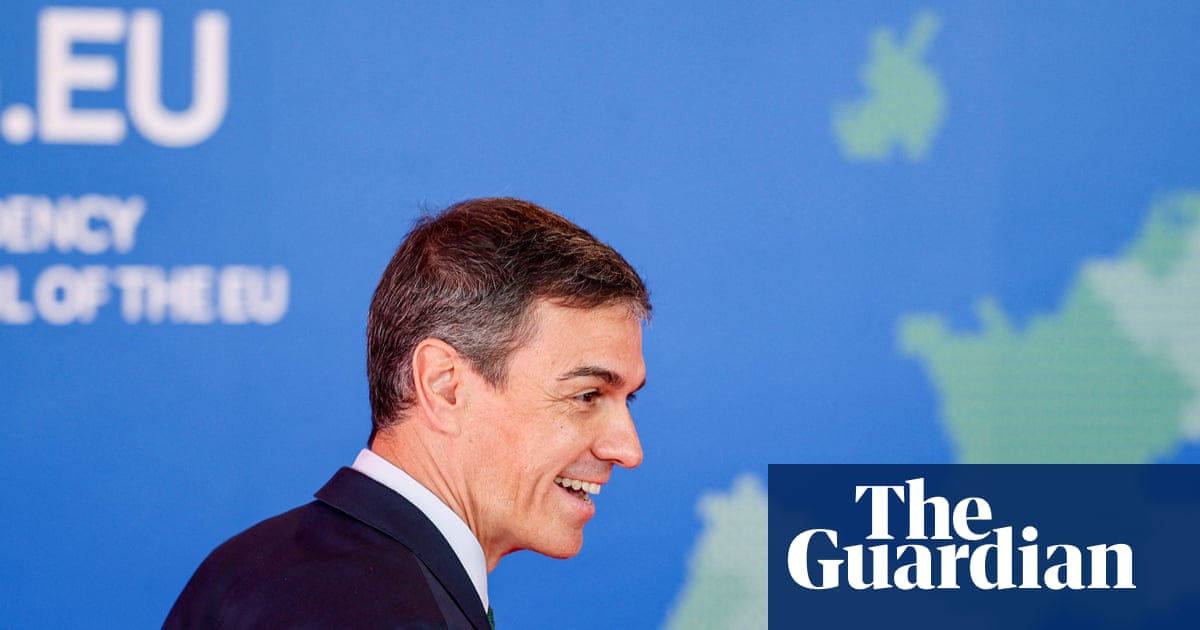
Spain's Pedro Sánchez has survived since 2018 by repositioning his PSOE to the left and projecting a bold international voice, despite corruption scandals and a faltering poll position. The Guardian asks whether Andy Burnham can borrow from that playbook.
A prime minister in Spain figured out that sticking up loudly for working people and showing up in person can keep you in charge, even when things go wrong at home. Britain's prime minister, who took a similar detour through local politics, is wondering if the same trick could work for him.
Analysis
Manchesterism
Andy Burnham's post-Westminster reinvention is the most obvious parallel to Sánchez's story. After losing the Labour leadership contest, Burnham left Parliament and became mayor of Greater Manchester, a post he used to develop what the briefing calls a "vaguely articulated philosophy" dubbed Manchesterism. The piece frames this as a deliberate, quiet transformation, not unlike Sánchez's road-trip across Spain in his Peugeot to reconnect with grassroots voters after being forced out as PSOE leader in 2016.
For Burnham, the lessons appear straightforward: find a power base outside the national party machine, cultivate a personal brand that does not depend on Westminster's factional battles, and return to the top job with a renewed mandate. The briefing suggests Sánchez followed a near-identical arc, moving from centrist compromise candidate in 2014 to anti-establishment figurehead by 2018, and ultimately to a prime minister who has outlasted most of his European peers.
PSOE
Sánchez's anchoring of the Spanish Socialist Workers' party to the left is, the briefing argues, the engine of his political survival. Madrid-based journalist Eoghan Gilmartin, quoted in the piece, describes Sánchez as "a very impressive pragmatist" who understands that positioning himself as the leader of a wider progressive bloc is "where he can govern." Since 2018, Sánchez has hiked the minimum wage, invested heavily in renewables, extended abortion rights, banned so-called "gay conversion practices", capped rent increases, and shifted the tax burden away from lower earners and onto the super-wealthy.
Yet the briefing is unsparing about the costs. Sánchez's brother, wife and predecessor have all been caught up in corruption scandals, several confidantes have been accused of taking kickbacks, and polls have his PSOE faltering as a general election looms. International admirers who call him El Guapo overlook that, at home, his political position is far shakier than his global rhetoric suggests, with European leaders publicly turning on him even as he denounces the war in Iran and Israel's actions in Gaza.
Ceuta
The article also flags that Sánchez's domestic headaches are not just political but operational. Over the weekend, Moroccan police arrested 111 people trying to enter Ceuta, Spain's north African territory, after social media calls for a fresh mass crossing. The briefing additionally points to apocalyptic wildfires and a fresh cost of living squeeze, with ONS figures expected to show inflation near 3% in July driven by soaring energy bills, alongside urgent warnings that 4 million UK gig economy workers are missing key statutory rights.
These vignettes matter because they show that even a leader with a commanding international profile can be vulnerable to the mundane failures of governance. For Burnham, the implied lesson is that a reinvention story is only the beginning; the harder test is whether the policies pursued in office can survive the inevitable crises, scandals and external shocks that arrive once the cameras move on. Sánchez has so far endured, but the briefing makes clear the margin is thinner than his global stage appearances suggest.
Key points
- Pedro Sánchez has been Spanish PM since June 2018 after a centrist-to-left reinvention that began with a road-trip across Spain in his Peugeot.
- Sánchez has delivered a progressive agenda including minimum wage hikes, rent caps, renewable investment, abortion rights expansion and a wealth-tax shift.
- His tenure is shadowed by corruption scandals involving his brother, wife, predecessor and confidantes, with polls showing PSOE faltering.
- Andy Burnham is compared directly: both leaders lost out on top party jobs, rebuilt careers outside Parliament and returned transformed.
- Spain faces a general election next year alongside acute domestic pressures including 111 people arrested trying to enter Ceuta and apocalyptic wildfires.
Sánchez's record suggests that a centre-left leader can survive prolonged turbulence by combining a clear progressive identity with visible domestic action, from renewable investment to rent caps. If Burnham can replicate even part of that mix, the briefing implies, he could consolidate a more durable political base ahead of his next electoral test.
Sánchez's tenure also illustrates the limits of reinvention: corruption scandals around his family and allies, a faltering PSOE in the polls, and a 111-person mass-crossing attempt into Ceuta all show how quickly international stature can erode at home. Burnham risks importing not just Sánchez's playbook but his vulnerabilities, particularly if domestic crises outpace his political narrative.