Monsoon Death Toll Rises to 126, Electrocution Tops Causes of Fatalities
Pakistan's monsoon season has turned increasingly deadly, with the nationwide death toll rising to 126. Authorities reported that electrocution has emerged as the leading cause of fatalities, highlighting the dangers posed by exposed power lines, flooded streets, and wate…
Intelligence analysis by Llama
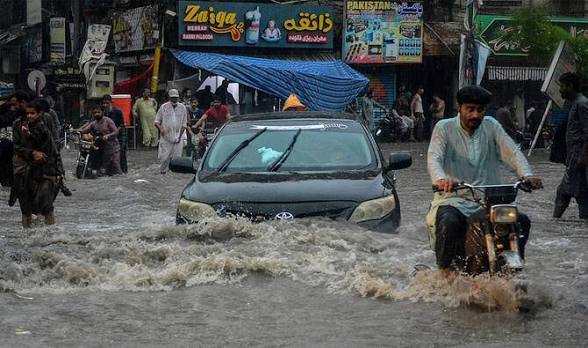
Pakistan's monsoon season has become increasingly deadly, with 126 reported deaths. Electrocution is the leading cause of fatalities, with exposed power lines and flooded streets posing significant dangers.
Imagine a big storm is coming, and the power lines are exposed. If you touch them, you might get hurt or even die. That's what's happening in Pakistan right now, and people are trying to stay safe by avoiding flooded areas and reporting any broken power lines.
Analysis
A Deadly Monsoon Season in Pakistan
Pakistan's monsoon season has turned increasingly deadly, with the nationwide death toll rising to 126. The latest disaster management figures reveal that electrocution has emerged as the leading cause of fatalities, highlighting the dangers posed by exposed power lines, flooded streets, and waterlogged neighborhoods during periods of heavy rainfall.
The authorities have urged residents to exercise extreme caution and avoid venturing into flood-affected areas whenever possible. Since the onset of the monsoon, hundreds of people have also sustained injuries, while persistent downpours have caused widespread damage to homes, roads, bridges, and other public infrastructure across several provinces.
Emergency response teams and rescue personnel remain actively engaged in relief operations, assisting affected communities and restoring essential services as more rainfall is expected in the coming days. The authorities have advised citizens to closely monitor official weather updates, avoid standing water and damaged structures, and immediately report fallen or exposed electrical wires to the relevant departments.
With the monsoon season still ongoing, officials stress that public awareness and precautionary measures are essential to preventing further loss of life and ensuring the safety of communities across the country.
Key points
- Pakistan's monsoon season has turned increasingly deadly, with the nationwide death toll rising to 126.
- Electrocution has emerged as the leading cause of fatalities, highlighting the dangers posed by exposed power lines, flooded streets, and waterlogged neighborhoods during periods of heavy rainfall.
- The authorities have urged residents to exercise extreme caution and avoid venturing into flood-affected areas whenever possible.
- Emergency response teams and rescue personnel remain actively engaged in relief operations, assisting affected communities and restoring essential services.
- The authorities have advised citizens to closely monitor official weather updates, avoid standing water and damaged structures, and immediately report fallen or exposed electrical wires to the relevant departments.
If the public remains vigilant and takes necessary precautions, the death toll can be reduced, and the safety of communities can be ensured. Additionally, the government's efforts to restore essential services and provide relief to affected areas can help mitigate the impact of the monsoon season.
The ongoing monsoon season poses a significant threat to the safety of communities, and the rising death toll and electrocution as the leading cause of fatalities highlight the need for immediate attention and action. If the situation is not addressed promptly, the consequences can be severe, and the impact can be felt for a long time.