Montana man hikes 10 miles to safety after falling on trekking pole
A Montana man, David Cifaldi, hiked 10 miles to safety after falling on a trekking pole during a hike on Granite Peak. The pole pierced his side, but he was able to self-assess and decide to hike down under his own power.
Intelligence analysis by Llama
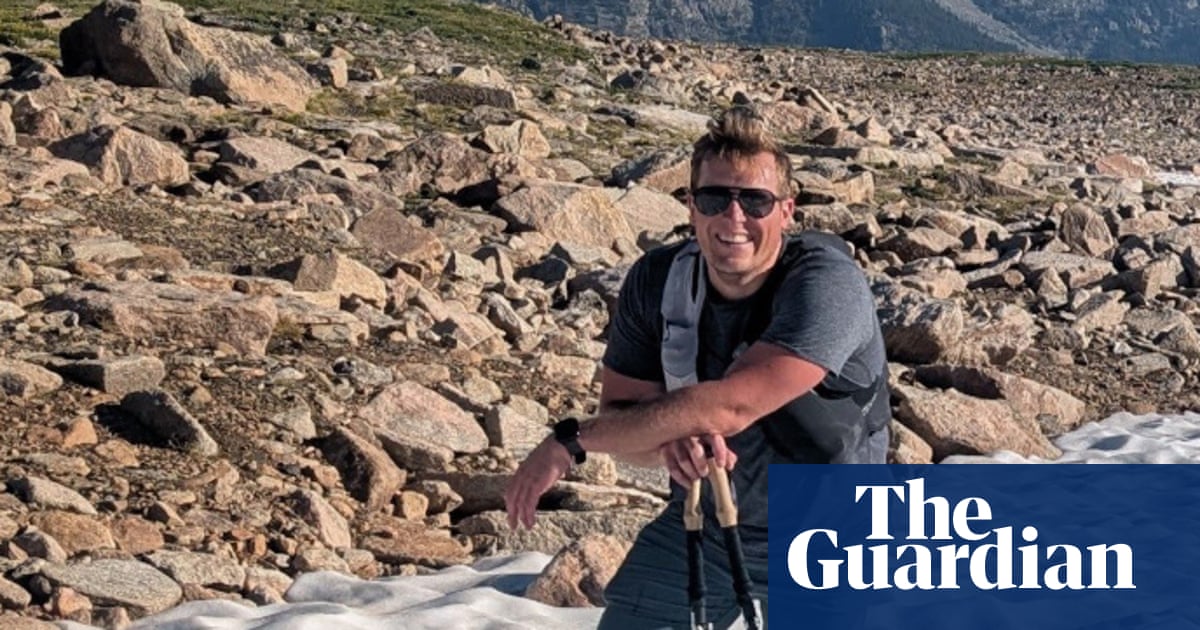
David Cifaldi, a Montana man, fell on a trekking pole during a hike on Granite Peak, but instead of waiting for rescue, he hiked 10 miles down to safety under his own power. His medical background helped him assess the situation and make the decision to hike down.
David Cifaldi was hiking on a mountain called Granite Peak when he fell on a stick called a trekking pole. The pole went into his side, but he was able to walk down the mountain to get help. He used a special device to call for help and his friends helped him along the way. It was a very brave thing to do, and he's lucky to be okay.
Analysis
A $60B Vote of Confidence
David Cifaldi's decision to hike down from Granite Peak after falling on a trekking pole is a testament to his resourcefulness and self-reliance. As a trained emergency room nurse, he was able to assess his situation and make a decision that ultimately saved his life. His friends, Jesse Ross and Brad Reich, were with him on the hike and were able to provide support and assistance as needed.
The incident highlights the importance of having the right skills and training in emergency situations. Cifaldi's medical background gave him the confidence to make a decision that might have seemed reckless to others, but ultimately proved to be the right one. It also highlights the importance of having a support system in place, as Cifaldi's friends were able to provide assistance and support as needed.
The incident also raises questions about the risks and rewards of hiking and climbing in remote areas. While Cifaldi's decision to hike down was ultimately the right one, it also highlights the potential risks of hiking and climbing in areas with limited access to medical care. It is a reminder that even with the right skills and training, accidents can still happen, and it is always better to err on the side of caution.
Why Cursor?
The incident also raises questions about the role of technology in emergency situations. Cifaldi used a satellite communicator to alert authorities to his situation, which allowed him to get the help he needed. It is a reminder that technology can be a powerful tool in emergency situations, but it is not a substitute for human judgment and decision-making.
The Road Ahead
The incident is a reminder that even in the most remote and rugged areas, there is always a way forward. Cifaldi's decision to hike down from Granite Peak was not an easy one, but it ultimately proved to be the right one. It is a reminder that with the right skills, training, and support system in place, even the most challenging situations can be overcome.
Key points
- David Cifaldi fell on a trekking pole during a hike on Granite Peak.
- He was able to self-assess and decide to hike down under his own power.
- He used a satellite communicator to alert authorities to his situation.
- His friends provided support and assistance as needed.
- Cifaldi's medical background gave him the confidence to make a decision that might have seemed reckless to others.
David Cifaldi's decision to hike down from Granite Peak after falling on a trekking pole is a testament to his resourcefulness and self-reliance. His medical background gave him the confidence to make a decision that might have seemed reckless to others, but ultimately proved to be the right one. It is a reminder that even in the most challenging situations, there is always a way forward, and with the right skills, training, and support system in place, even the most daunting tasks can be overcome.
The incident also raises questions about the risks and rewards of hiking and climbing in remote areas. While Cifaldi's decision to hike down was ultimately the right one, it also highlights the potential risks of hiking and climbing in areas with limited access to medical care. It is a reminder that even with the right skills and training, accidents can still happen, and it is always better to err on the side of caution.