More than half of clean energy schemes needed for Labour’s 2030 target offered grid connection
Neso has offered grid dates to more than 700 clean energy projects, clearing a backlog that had delayed key renewable schemes.
Intelligence analysis by GPT-5.4 Mini
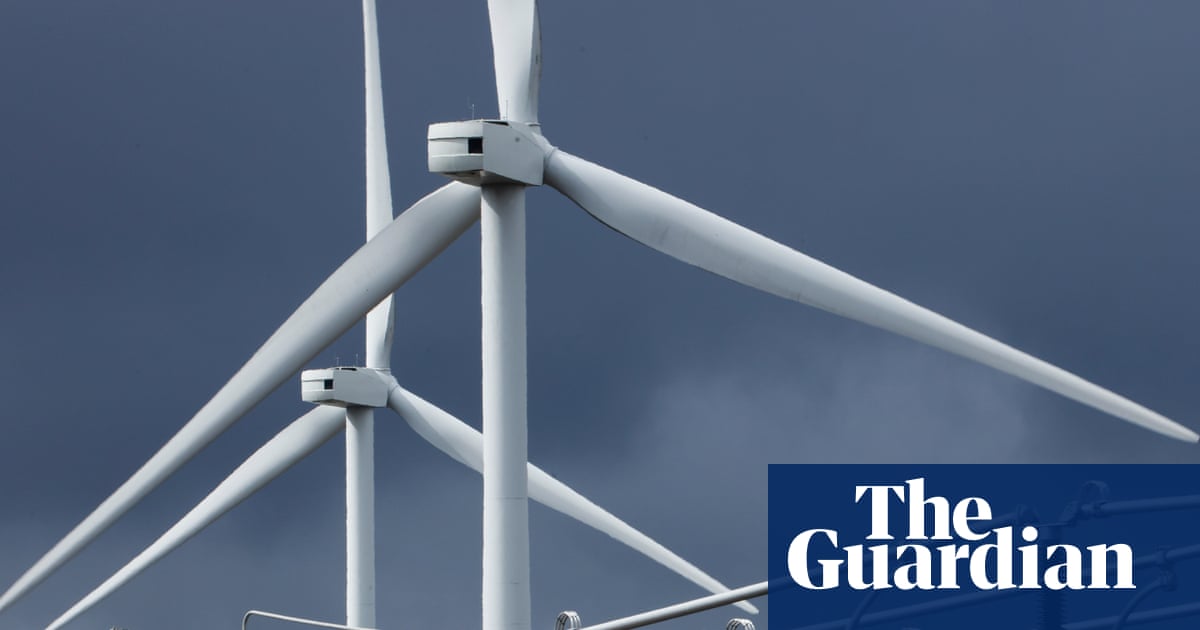
The UK system operator says it has now offered grid connections to over half the clean energy projects needed for Labour’s 2030 power target. The reform clears out speculative projects and gives shovel-ready wind, solar and storage plans a clearer path to construction.
Britain had a giant line for new power projects, and too many people were stuck waiting. Now the line is moving, so more wind and solar farms can plug in like charging phones into a socket.
Analysis
What changed
The National Energy System Operator says it has offered grid connection dates to more than 700 clean energy projects in Great Britain since the start of the year. That is almost 60% of the 1,200 schemes the article says will need to be generating electricity by the end of the decade to meet the government’s 2030 clean power goal.
Why the backlog mattered
Labour came into office promising a major expansion of renewable power, including more onshore wind, solar and offshore wind. But the old “first come, first served” queue had become clogged by speculative applications, leaving genuinely ready projects stuck behind them. The article says the reform process, started in late 2023, has now removed hundreds of those speculative or “zombie” projects from the queue.
What is in the new pipeline
The ready-to-go projects include wind and solar farms, battery storage, gas and hydro plans. Together, they amount to 37 gigawatts of new capacity, which the article says is a little over a third of the 100GW needed for the target. Under the new rules, projects now have to meet stricter tests before getting a grid date, including planning permission, land rights and alignment with the government’s clean energy objectives.
Energy minister Michael Shanks said the upgrade to the grid and easier connections would help protect bill payers from fossil fuel price spikes. Neso’s chief operating officer, Kayte O’Neill, called the result a milestone and said the reforms were delivering real results.
The story is not that the target has been reached. It is that one of the biggest administrative blockers to reaching it has been reduced, and developers now have more certainty to invest.
Key points
- Neso says it has offered grid connections to more than 700 clean energy projects in Great Britain.
- The projects represent almost 60% of the 1,200 schemes needed for the 2030 clean power target.
- The backlog came from a clogged queue system filled with speculative applications.
- New rules now require planning permission, land rights and alignment with government targets before projects can secure a grid date.
- The ready-to-go projects total 37GW, a little over a third of the 100GW needed.
If the new rules keep working, more shovel-ready projects could move from paperwork to construction faster. That would support investment, add clean power to the grid and help reduce reliance on expensive fossil fuels.
The article also shows that the target is not yet fully covered, with the 37GW offered so far still only part of what is needed. If delivery slips or other bottlenecks appear, the remaining projects could still miss the 2030 timetable.