More young S’poreans under 35 want to live independently. Will a new co-living initiative help?
More young Singaporeans under 35 are choosing to live independently for privacy and personal space, with numbers doubling from 10,500 in 2016 to 22,600 in 2025. A new SG Youth Plan initiative offers over 100 subsidised co-living units to support young adults seeking indep…
Intelligence analysis by Llama
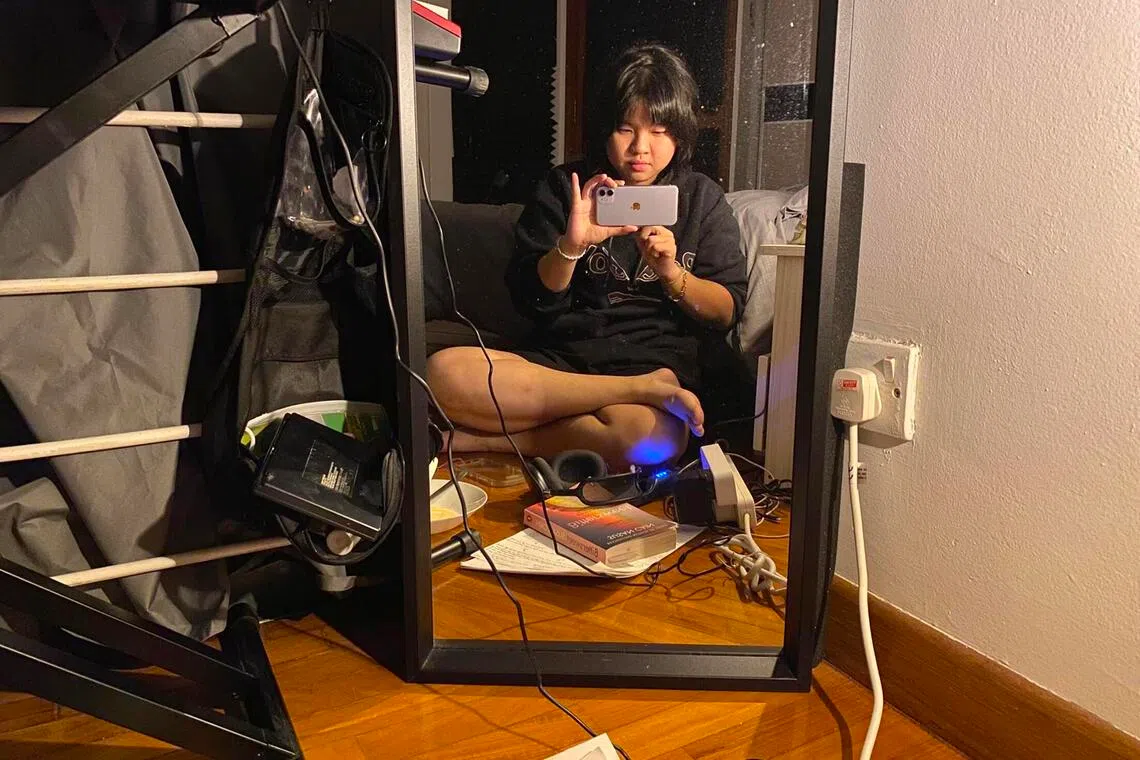
A new co-living initiative under the SG Youth Plan aims to meet the need for young Singaporeans to live independently, with two private co-living operators offering more than 100 subsidised rental units. However, cost remains a hurdle, with monthly rates starting at $1,800.
Imagine you're a young adult, and you want to live on your own. You want to have your own space, make your own decisions, and live your life as you see fit. But, it's hard to afford a place to live, and you might have to share a room with someone else. That's where co-living comes in - it's like a shared house where you can live with others, but still have your own space and freedom.
Analysis
A Growing Trend of Independence
The number of Singaporean citizens and permanent residents under 35 living alone has more than doubled from 10,500 in 2016 to 22,600 in 2025, according to data from the Department of Statistics. This trend is not limited to just one or two individuals, but is a growing phenomenon that reflects the changing needs and preferences of young Singaporeans.
For many young people, living independently is not just about having a place to call their own, but also about having the freedom to make their own decisions and live their lives on their own terms. As Kaelen Ong, a 26-year-old theatre actress, said, "It felt like (there was) pressure to have to continue living my life (normally)," when she was living with her family. By moving out, she was able to have the space and privacy she needed to grieve her father's death and live her life as she saw fit.
The Appeal of Co-Living
Co-living has emerged as a popular alternative to renting HDB flats or condominium units, especially among young people. The flexible lease terms and shared amenities of co-living spaces appeal to those who want to live independently but are not yet ready to commit to a long-term rental or purchase a flat. As PropNex chief executive Kelvin Fong said, "Co-living recently emerged as a popular alternative to renting HDB flats or condominium units, as its flexible lease terms and shared amenities appealed to the younger crowd."
The Challenge of Cost
Despite the appeal of co-living, cost remains a significant challenge. The monthly rates under the new co-living scheme start at $1,800, which may be out of reach for many young people. As Kaelen Ong said, "$1,400 was the steepest I could go, and I could barely afford it." The high cost of long-term rental can eat into savings for a flat purchase, deterring young adults from moving out. As Realion's chief researcher and strategist Christine Sun said, "Home ownership remains the ultimate goal for many young people, and that interim living options may not help them get there."
Conclusion
The trend of young Singaporeans living independently is significant, and the new co-living initiative may help address the need for affordable housing options. However, the high cost of rental may deter some young adults from moving out. Ultimately, the decision to live independently or not depends on individual circumstances and priorities. As Kaelen Ong said, "It's not about the money, it's about the freedom."
Key points
- More young Singaporeans under 35 are choosing to live independently for privacy and personal space.
- A new SG Youth Plan initiative offers over 100 subsidised co-living units to support young adults seeking independence.
- Cost remains a significant challenge, with monthly rates starting at $1,800.
- Home ownership remains the ultimate goal for many young people, and interim living options may not help them get there.
If the new co-living initiative is successful, it may help address the need for affordable housing options for young Singaporeans. This could lead to more young people being able to live independently and have the freedom to make their own decisions.
However, the high cost of rental may deter some young adults from moving out, and the trend of young Singaporeans living independently may not be sustainable in the long term.