Morocco: The Middle East Crisis, a Tipping Point for OCP?
Moroccan fertilizer giant OCP, a global leader in phosphate fertilizers, faced significant challenges due to the Middle East crisis and the Strait of Hormuz blockade, leading to a 30% production cut and declining financial performance. Despite this, the group asserts its …
Intelligence analysis by Gemini 2.5 Flash
The article examines how the Middle East crisis, particularly the disruption of the Strait of Hormuz, tested OCP, Morocco's state-owned fertilizer behemoth. While the company, a global leader in phosphates, experienced a rare production downturn due to its reliance on imported sulfur, it maintains that its diversified strategy and global network allowed it to navigate the turbulence a…
Imagine a giant company in Morocco that makes special plant food for farms all over the world. This company, OCP, is like a big chef who needs a special ingredient, sulfur, from far away. When there was trouble in a busy shipping lane, it became hard to get that ingredient, so OCP had to make less plant food for a while. But the company says it's strong and learned how to be even better at getting its ingredients, even when things are tough.
Analysis
OCP's Global Footprint and Diversification Strategy
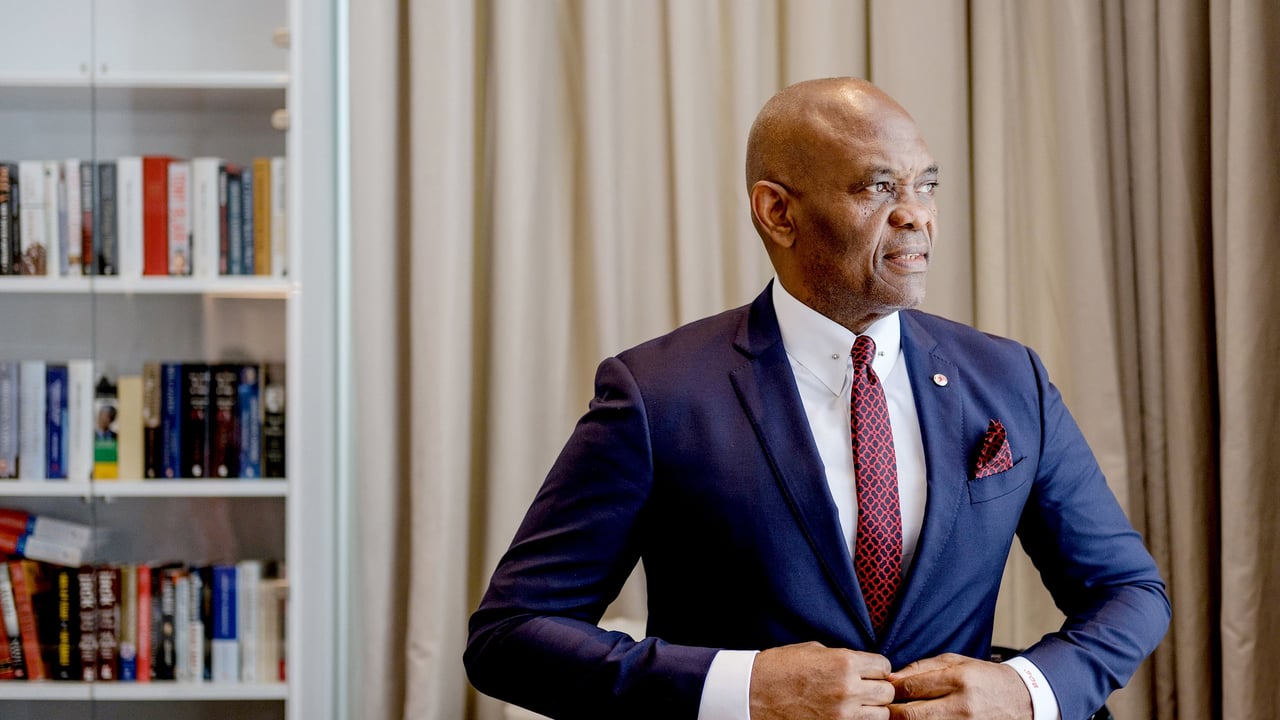
OCP, the Moroccan champion in phosphate fertilizers, has long established itself as a formidable player on the international stage, leveraging the world's largest phosphate reserves. Under the leadership of Mostafa Terrab since 2006, the group has not only achieved over $12 billion in revenue but has also embarked on an ambitious diversification strategy. This includes significant investments in innovation and research & development, notably through the Mohammed VI Polytechnic University (UM6P), and a strong commitment to greening its operations. Initiatives in renewable energies, desalination, and green ammonia underscore OCP's forward-looking approach, transforming it from a mining group into a diversified industrial giant employing over 20,000 people and serving as a cornerstone of the Moroccan economy.
The Geopolitical Shockwave and OCP's Vulnerability
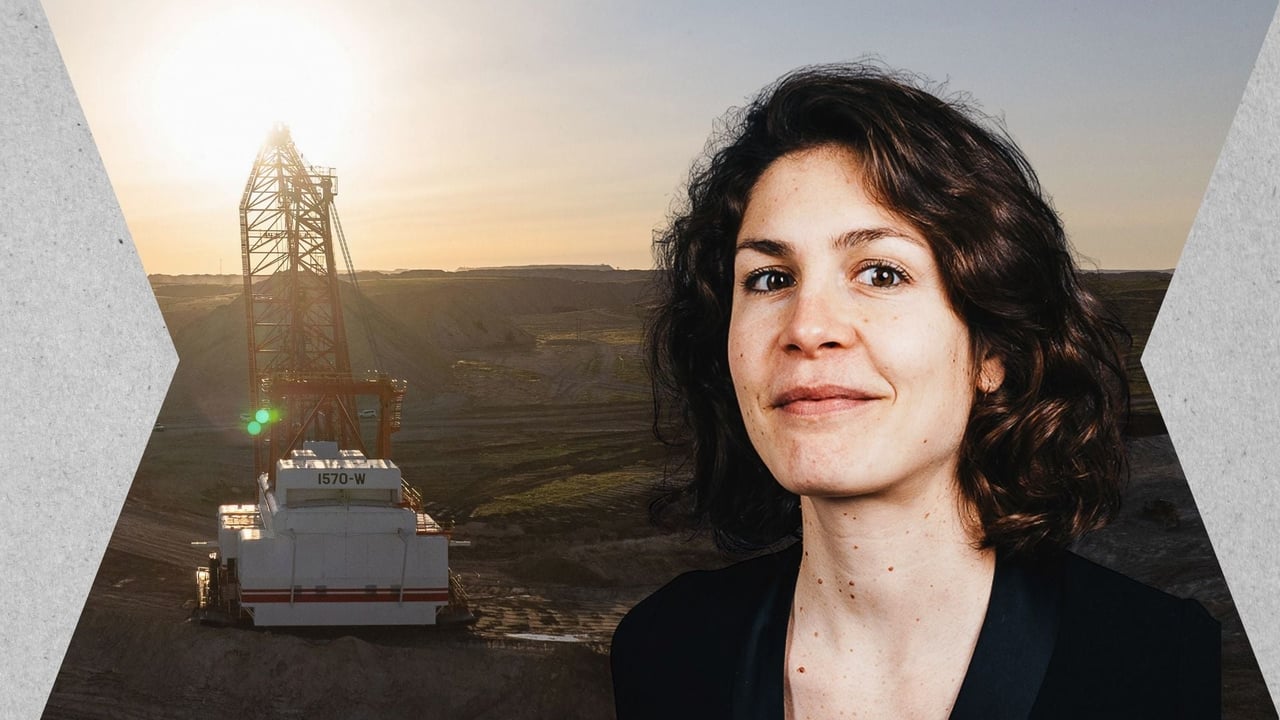
Despite its robust global presence and strategic diversification, OCP encountered a significant setback in recent months due to the Middle East crisis and the blockade of the Strait of Hormuz. This geopolitical turbulence exerted immense pressure on the global fertilizer market, complicating the procurement of essential raw materials and driving up input prices. The article highlights OCP's critical vulnerability: its reliance on external sources for sulfur, a key component in fertilizer production. This dependency meant that disruptions in international shipping lanes directly impacted OCP's operational capacity, leading to a substantial 30% reduction in its production for approximately three months—a scale of slowdown not witnessed since the 2008 financial crisis.
Navigating Turbulence and Debating Resilience
The production downturn translated into a decline in OCP's financial performance, challenging both the company and its long-standing CEO. However, OCP asserts that it effectively managed this difficult period through its inherent agility, extensive global network, and capacity for recovery. The group maintains that this ordeal, rather than exposing fundamental weaknesses, has instead reinforced the solidity of its business model. This claim, however, is not universally accepted, with some observers continuing to debate the true extent of OCP's resilience and the long-term implications of its supply chain vulnerabilities. The crisis serves as a critical test case for OCP's strategic direction and its ability to withstand future global shocks.
Key points
- OCP, a Moroccan global leader in phosphate fertilizers, faced significant disruption from the Middle East crisis and Strait of Hormuz blockade.
- The crisis exposed OCP's vulnerability due to its dependence on external sulfur supplies.
- This led to a 30% reduction in OCP's production for approximately three months, a rare event since 2008.
- Despite financial setbacks, OCP claims its agility, global network, and diversified model helped it manage the crisis and emerge stronger.
- The company's resilience claims are subject to debate among industry observers.
OCP's ability to manage a 30% production cut and leverage its global network and agility suggests a robust operational framework. If the company's claims of strengthening its model through this ordeal hold true, it could emerge with even more resilient supply chains and a reinforced position in the global fertilizer market, benefiting Morocco's economy.
The debate among observers regarding the true solidity of OCP's model, despite its claims, indicates potential underlying vulnerabilities. Continued geopolitical instability or further disruptions to sulfur supply could expose OCP to renewed production cuts and financial setbacks, impacting its global market share and Morocco's economic stability.