Morocco wants tourists to visit Western Sahara. Some say it's tightening its control
Morocco is expanding tourism links to Western Sahara, while critics say marketing the territory as Moroccan helps normalize an occupation.
Intelligence analysis by GPT-5.4 Mini
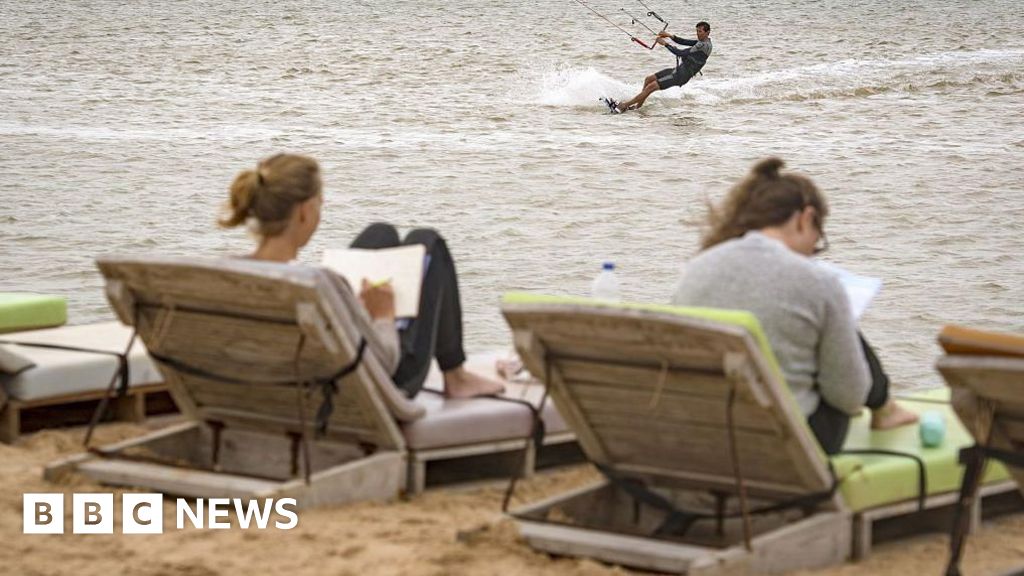
Airlines, booking sites and Morocco's tourism push are drawing more visitors to Dakhla and other parts of Western Sahara. Critics say the branding blurs the territory's disputed status and strengthens Morocco's grip.
Morocco is asking tourists to visit a place called Western Sahara, especially a city named Dakhla. But many people say that land is still disputed, like a house with two people arguing over who owns it.
Some airlines and travel websites call the place part of Morocco. Critics say that is like putting the wrong name on a map, because it can make the dispute seem smaller than it is.
More visitors can bring money and new hotels, but this story is also about power. Travel ads are not just selling holidays here; they may also be helping one side look more in charge.
Analysis
Tourism as a political tool
The BBC says Morocco is actively promoting travel to Western Sahara, especially to Dakhla, with low-cost flights, new accommodation and destination marketing that presents the area as a Moroccan getaway. The article notes that airlines including Ryanair, Transavia France and Binter Canarias now connect the territory with cities such as Madrid, Paris and the Canary Islands.
Growth and dispute at the same time
That tourism push is happening in a place the UN treats as a non-self-governing territory. Morocco controls and administers most of Western Sahara, but the dispute over sovereignty has never been settled through a vote by the local population. The story says visitor numbers to Morocco-controlled Western Sahara rose from 490,297 in 2019 to 743,133 in 2025, a gain of more than 50%.
Why companies matter
The article highlights how airlines and booking sites describe the destination. Some list Dakhla and Laayoune as part of Morocco, while Binter Canarias uses the name Western Sahara. Booking.com says it adds context for disputed or conflict-affected regions and advises travellers to check official government travel advice. Critics interviewed by the BBC argue that calling the territory Moroccan can distort public understanding and lend legitimacy to Morocco's claim.
The economic angle is not just about tourism receipts. It is also about how infrastructure, branding and private-sector platforms can reinforce a state's position in a territorial dispute. Morocco did not respond to the BBC's request for comment.
Key points
- Morocco is promoting tourism to Western Sahara, especially Dakhla, with cheaper flights and new lodging.
- The UN classifies Western Sahara as a non-self-governing territory, and the sovereignty dispute remains unresolved.
- The article says visitor numbers to Morocco-controlled Western Sahara rose from 490,297 in 2019 to 743,133 in 2025.
- Some airlines and booking platforms describe the territory as part of Morocco, drawing criticism from rights groups and legal experts.