Morocco's Colonial Archives: Between Strategic Assets and the Trap of a Reduced National Narrative
Morocco is actively pursuing the repatriation of its colonial archives, largely held in France and Spain, viewing them as strategic national assets. Historians, however, caution against limiting the national historical narrative solely to the protectorate period.
Intelligence analysis by Gemini 2.5 Flash
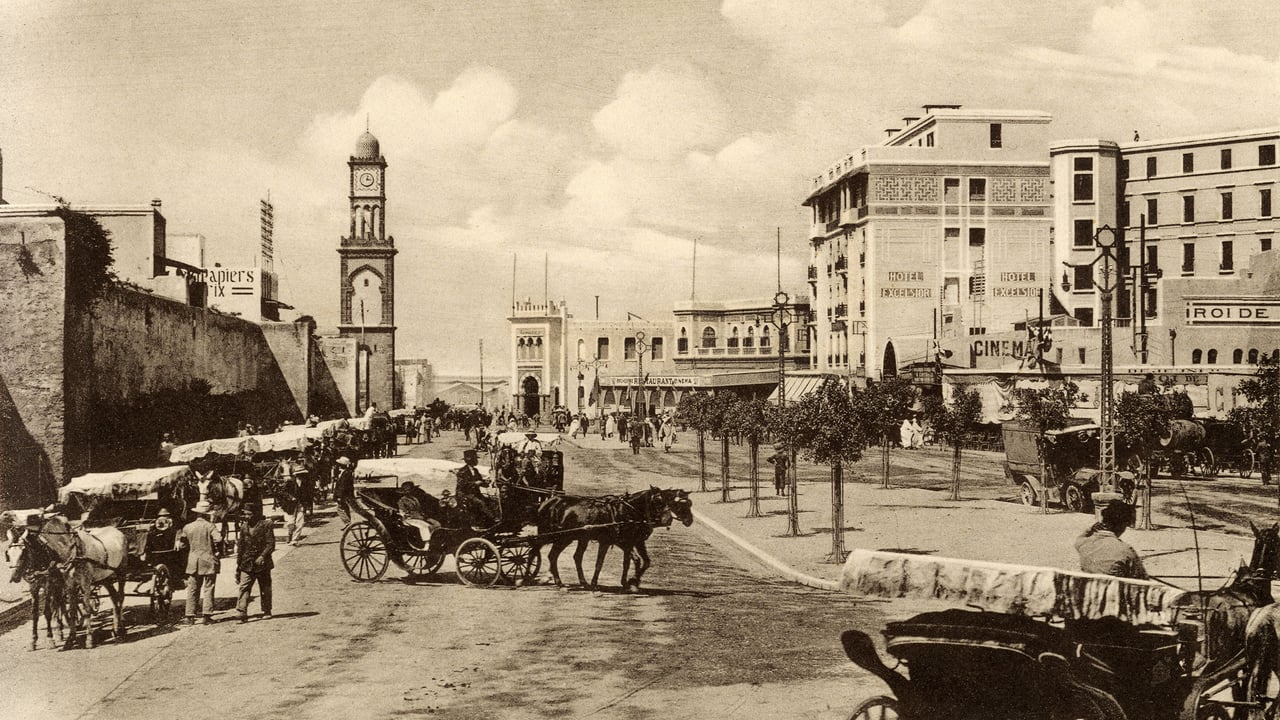
Morocco has embarked on a significant initiative to recover its historical archives from former colonial powers, particularly France and Spain, which hold a substantial portion of documents from the protectorate era. While these archives are considered vital for understanding the nation's past, there's a debate among historians about the potential pitfall of overemphasizing the coloni…
Imagine your family's old photo albums and diaries are kept at a friend's house from a long time ago. Morocco is trying to get its own historical 'albums' back from countries like France and Spain, which used to be in charge. These old papers and photos are super important for Morocco to understand its own story. But some smart people say, 'Let's not just look at those albums; Morocco has a much longer and bigger story than just the time those friends were holding the albums!'
Analysis
Morocco's decade-long program to recover its colonial archives from abroad underscores a broader post-colonial imperative: the reclamation of national memory and historical agency. These documents, currently held predominantly in France and Spain, are not merely historical curiosities but are seen as strategic assets crucial for understanding the nation's fragmented political history between 1912 and 1975. The initiative reflects a desire to piece together a comprehensive national narrative, free from external interpretations, and to provide future generations with an unvarnished account of their past.
France et Espagne
The primary custodians of Morocco's colonial archives are France and Spain, the former colonial powers. Both nations have expressed a willingness to transmit these documents to Morocco, signaling a potential shift in post-colonial relations and a recognition of Morocco's right to its historical records. This diplomatic engagement is crucial, as the sheer volume and dispersed nature of these archives necessitate close cooperation between the involved countries to ensure a systematic and complete repatriation process.
The transfer of these archives is not just a logistical exercise but a symbolic act of historical reconciliation and sovereignty. It allows Morocco to directly access and interpret its past, potentially shedding new light on critical periods and events. The readiness of Paris and Madrid to engage in this process could set a precedent for other former colonies seeking to reclaim their historical heritage, fostering a more equitable global distribution of historical knowledge.
1912 et 1975
The period between 1912 and 1975 represents a pivotal era in Morocco's history, marked by the French and Spanish protectorates and the subsequent early years of independence. The archives from this time are particularly significant as they document the administrative, political, and social transformations that shaped modern Morocco. Historians emphasize that while these documents are invaluable, focusing exclusively on this period risks reducing the richness and complexity of Morocco's millennia-long history.
The challenge lies in integrating these colonial-era records into a broader national narrative that encompasses pre-colonial kingdoms, diverse cultural influences, and continuous struggles for self-determination. A balanced approach would use these archives to enrich, rather than define, the national story, ensuring that the narrative extends beyond the confines of foreign occupation. This critical perspective is vital for avoiding a historical reductionism that might inadvertently perpetuate a colonial-centric view of the nation's development.
Sahara occidental
The issue of colonial archives is deeply intertwined with contemporary geopolitical sensitivities, particularly concerning the Western Sahara. Related articles highlight how the opening of Spanish archives, for instance, is eagerly anticipated in both Rabat and Madrid to illuminate aspects of history relevant to the Moroccan identity of the Western Sahara. Controversies surrounding this territory's status are often rooted in historical interpretations, making archival access a strategic tool in ongoing diplomatic and political debates.
The historical records held by former colonial powers could provide crucial evidence or context regarding the sovereignty and historical claims over the Western Sahara. The article notes that debates about the 'Moroccanity' of the Sahara predate the Spanish departure in 1975, suggesting that older archives might reveal deeper historical connections and struggles against colonial powers. Therefore, the repatriation and study of these archives are not merely academic exercises but have direct implications for Morocco's territorial integrity and international standing.
Key points
- Morocco is actively pursuing a program to recover its colonial archives, primarily from France and Spain.
- These archives are considered strategic assets for understanding Morocco's fragmented political history between 1912 and 1975.
- Historians caution against reducing the national narrative solely to the protectorate period, advocating for a broader historical perspective.
- The repatriation process involves diplomatic cooperation with former colonial powers, who have expressed willingness to transfer the documents.
- The archives are also relevant to contemporary geopolitical issues, such as the historical claims concerning the Western Sahara.
The successful repatriation of these archives could significantly enrich Morocco's understanding of its own history, allowing for a more complete and nuanced national narrative. This process could also foster stronger diplomatic ties with France and Spain, built on mutual respect for historical heritage and shared knowledge.
A potential downside is that an overemphasis on the colonial archives might inadvertently narrow Morocco's national narrative, overshadowing its rich pre-colonial history. Furthermore, diplomatic complexities and the sheer volume of documents could make the full and timely repatriation of all relevant archives a challenging and protracted process.