Move Over Housing – Bitcoin is Gen Z’s New Wealth Building Asset
Due to housing unaffordability, Gen Z is increasingly viewing Bitcoin as a primary wealth-building asset, according to Hunter Albright of SALT Lending. This shift involves leveraging Bitcoin as collateral for loans, including down payments for homes.
Intelligence analysis by Gemini 2.5 Flash
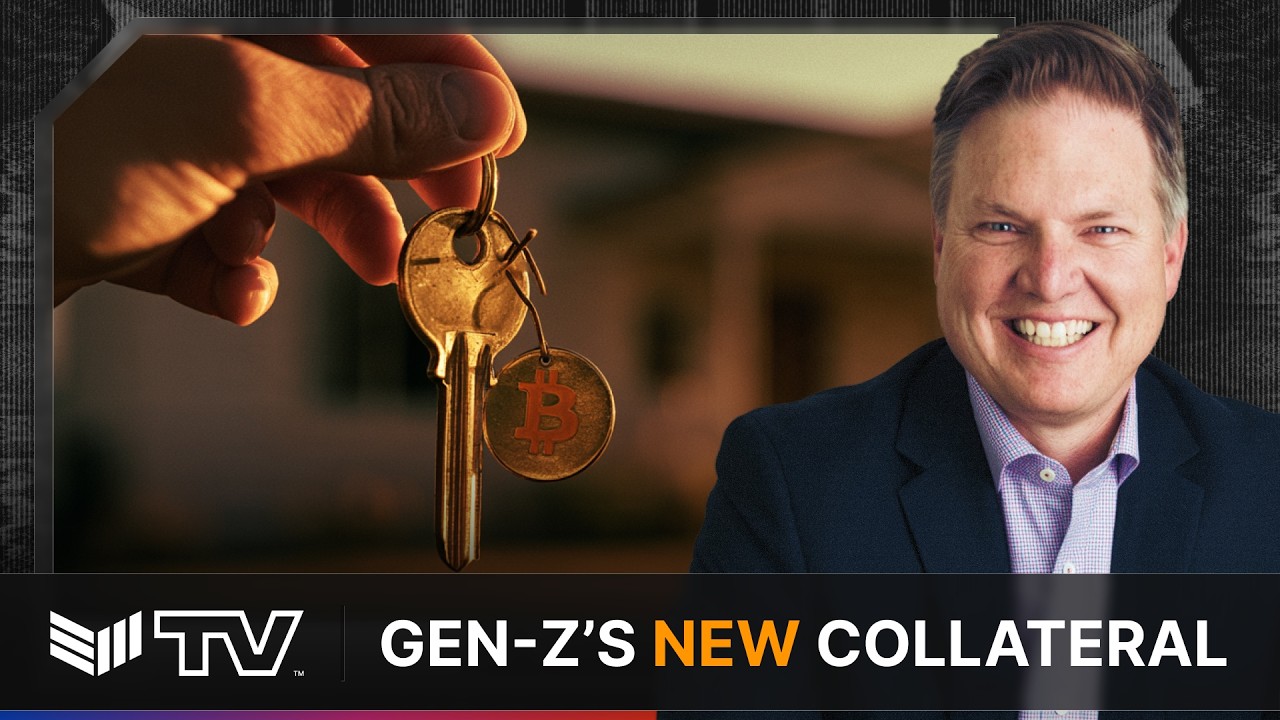
Hunter Albright of SALT Lending suggests that with Gen Z comprising less than 5% of the new home market, the generation is pivoting towards Bitcoin for wealth accumulation. He discusses innovative ways to use Bitcoin, such as collateral for loans, to facilitate major purchases like home down payments without liquidating holdings.
Imagine you want to buy a big toy house, but it costs a lot of money, and your piggy bank isn't full enough. Instead of saving for a super long time, some grown-ups are now using their special digital money, called Bitcoin, like a magic key. They don't sell their Bitcoin, but they can use it to get a loan for the toy house, almost like using a valuable trading card as a promise to pay back later. This way, they can get their toy house sooner and still keep their valuable Bitcoin.
Analysis
Gen Z's Financial Landscape
Gen Z faces unprecedented challenges in traditional wealth accumulation, particularly regarding homeownership. The article notes that this demographic now constitutes less than 5% of the new home market, a stark indicator of the affordability crisis. This economic reality is compelling a re-evaluation of conventional assets, pushing younger generations to explore alternative avenues for building long-term wealth. The traditional path of real estate investment, once a cornerstone of American prosperity, appears increasingly out of reach, necessitating a paradigm shift in financial planning.
This demographic pressure is a crucial driver behind the growing interest in digital assets. As housing becomes less accessible, the search for assets that offer both growth potential and liquidity intensifies. Bitcoin, with its decentralized nature and perceived scarcity, presents itself as a viable alternative, offering a different model for capital appreciation and financial independence. The article implies that this shift is not merely a trend but a fundamental adaptation to evolving economic conditions.
Hunter Albright's Perspective
Hunter Albright of SALT Lending provides insights into how Bitcoin is integrating into practical financial strategies. He emphasizes the concept of using Bitcoin as collateral for loans, specifically mentioning its application for home down payments. This approach allows individuals to access capital without selling their Bitcoin holdings, thus maintaining exposure to potential appreciation while addressing immediate financial needs. This mechanism could revolutionize how assets are leveraged in the digital age.
Albright also touches upon the potential recognition of Bitcoin by major housing finance entities like Fannie Mae and Freddie Mac, which would signify a significant step towards mainstream adoption and integration into traditional financial systems. SALT Lending's five-year loan terms offer a more flexible alternative to conventional 30-year mortgages, catering to a generation that values agility and shorter-term commitments. This innovative use case positions Bitcoin not just as a speculative asset but as a functional tool for life's major financial milestones.
Bitcoin-Powered Life
The discussion extends to envisioning a "Bitcoin-powered life," where the digital asset plays a central role in an individual's financial ecosystem. This concept moves beyond simply holding Bitcoin to actively utilizing it for various financial needs, from securing loans to facilitating everyday transactions. The ability to borrow against Bitcoin for significant purchases, like a home, without divesting from the asset, represents a powerful new financial tool.
This integration suggests a future where Bitcoin is not just an investment but a foundational element of personal finance, enabling greater flexibility and control over one's wealth. The article implies that as more financial products and services emerge that leverage Bitcoin in practical ways, its role in the global economy will continue to expand, offering new pathways for wealth creation and management, especially for generations facing unique economic challenges.
Key points
- Gen Z comprises less than 5% of the new home market, driving a search for alternative wealth-building assets.
- Hunter Albright of SALT Lending suggests Bitcoin is becoming Gen Z's new wealth-building asset.
- Bitcoin can be used as collateral for loans, including home down payments, without selling the asset.
- The discussion includes the potential for Fannie Mae and Freddie Mac to recognize Bitcoin.
- SALT Lending offers five-year loan terms for Bitcoin-backed loans.
The increasing adoption of Bitcoin as collateral for major purchases like home down payments could unlock significant liquidity for Gen Z, enabling them to achieve financial milestones previously out of reach. This trend, coupled with potential recognition from entities like Fannie Mae and Freddie Mac, could further legitimize Bitcoin within traditional finance, fostering broader acceptance and innovative financial products.
While using Bitcoin as collateral offers flexibility, it also exposes borrowers to the asset's inherent volatility, potentially leading to margin calls or liquidation if Bitcoin's price drops significantly. Furthermore, the long-term implications of leveraging a highly volatile asset for stable liabilities like housing down payments remain largely untested, posing risks to financial stability for individuals.