MPs raise concerns over mounted devices, private-hire drivers as law passed to criminalise holding phones while driving
Members of Parliament on Tuesday sought clarifications on the use of mounted devices while driving and the impact on private-hire drivers as a law was passed to criminalise holding mobile phones while driving.
Intelligence analysis by Llama
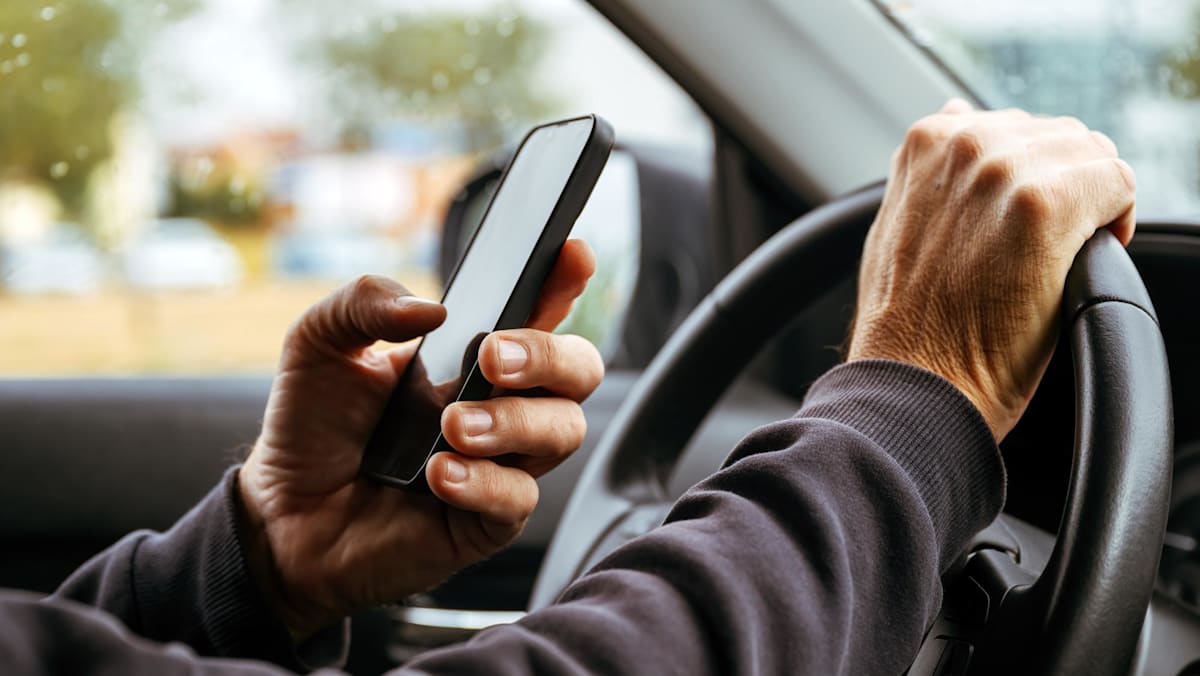
A new law in Singapore makes it an offence for motorists to hold their mobile phones while driving, even if they are not using the device. MPs raised concerns about the use of mounted devices and the impact on private-hire drivers.
Imagine you're driving a car and you're looking at your phone. This can be very distracting and can make you crash. A new law in Singapore says that you can't hold your phone while driving, even if you're not using it. This is to make the roads safer.
Analysis
A Growing Concern: Distractions on the Road
The debate on the Road Traffic (Miscellaneous Amendments) Bill has highlighted a growing concern in Singapore - the increasing number of distractions on the road. With the proliferation of digital devices, drivers are faced with a multitude of temptations that can take their eyes off the road and compromise their ability to drive safely. The use of mounted devices, such as GPS and infotainment systems, has become increasingly common in vehicles. While these devices can provide valuable information and entertainment, they can also be a source of distraction for drivers.
The New Law: A Step in the Right Direction
The new law aims to address this issue by making it an offence for motorists to hold their mobile phones while driving, even if they are not using the device. This change is a step in the right direction, as it acknowledges the risks associated with distracted driving and takes steps to mitigate them. By making it clear that drivers are liable for offences such as careless or dangerous driving if they get distracted or compromise control over their vehicle while using a mounted device, the law sends a strong message about the importance of road safety.
The Impact on Private-Hire Drivers
The new law also has implications for private-hire drivers, who are often required to use their mobile phones to navigate and communicate with passengers. While the law does not specifically address the use of mobile phones by private-hire drivers, it does provide guidance on the minimum information required and the quality of the evidence submitted. This will help to ensure that private-hire drivers are aware of the risks associated with distracted driving and take steps to mitigate them.
Conclusion
In conclusion, the new law is a step in the right direction in addressing the issue of distracted driving in Singapore. By making it clear that drivers are liable for offences such as careless or dangerous driving if they get distracted or compromise control over their vehicle while using a mounted device, the law sends a strong message about the importance of road safety. As the debate on the Road Traffic (Miscellaneous Amendments) Bill continues, it is essential that MPs and the public remain vigilant and take steps to mitigate the risks associated with distracted driving.
Key points
- The new law makes it an offence for motorists to hold their mobile phones while driving, even if they are not using the device.
- MPs raised concerns about the use of mounted devices and the impact on private-hire drivers.
- The law aims to reduce the risk of distraction while driving and improve road safety in Singapore.
- Drivers are liable for offences such as careless or dangerous driving if they get distracted or compromise control over their vehicle while using a mounted device.
- The law provides guidance on the minimum information required and the quality of the evidence submitted for enforcement.
The new law is a positive step towards reducing the risk of distraction while driving and improving road safety in Singapore. If drivers are aware of the risks associated with distracted driving and take steps to mitigate them, the number of accidents on the road will decrease, and the roads will become safer for everyone.
However, the new law may not be effective in reducing the number of accidents on the road if drivers continue to use their mobile phones while driving. Additionally, the law may be difficult to enforce, especially if drivers use mounted devices that are not easily visible to the police.