Murad Saeed challenges Rs2.5m damages award in Ahsan Iqbal defamation case
PTI leader Murad Saeed has appealed to the Islamabad High Court, challenging a district court's order to pay Rs2.5 million in damages to Federal Minister Ahsan Iqbal in a defamation case.
Intelligence analysis by Gemini 2.5 Flash
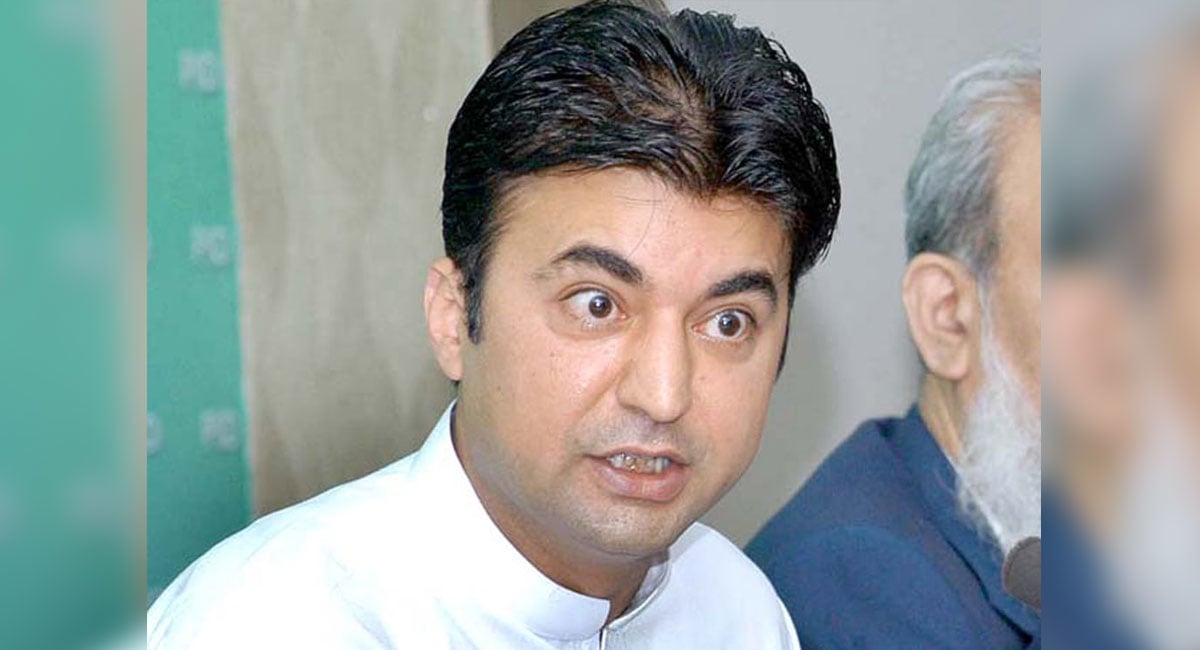
Murad Saeed, a former federal minister, has filed an appeal against a district court's decree that found him liable for defaming Ahsan Iqbal by alleging corruption in the Multan-Sukkur Motorway project. Saeed's appeal argues the trial court's judgment was flawed, claiming it ignored evidence and treated him as an ex parte defendant despite a full contest.
Imagine two politicians, Murad and Ahsan, had a big disagreement. Murad said Ahsan did something wrong with a huge road project. Ahsan said that wasn't true and it made him look bad, so a judge told Murad he had to pay Ahsan some money, like a fine, for saying mean things that weren't proven. Now, Murad is asking a higher judge to look at the case again because he thinks the first judge made some mistakes and didn't listen to all his reasons.
Analysis
The legal challenge initiated by Pakistan Tehreek-e-Insaf (PTI) leader Murad Saeed against the defamation decree favoring Federal Minister Ahsan Iqbal underscores the contentious nature of political accusations and their judicial redressal in Pakistan. The initial ruling by an Islamabad district court, which ordered Saeed to pay Rs2.5 million in damages, stemmed from allegations of Rs70 billion corruption in the Multan-Sukkur Motorway project. This judgment affirmed that Saeed had failed to substantiate his claims, leading to the conclusion that Iqbal's reputation had been tarnished.
Rs2.5 Million Damages
The Islamabad district court, presided over by Additional District and Sessions Judge Hakim Khan, found Murad Saeed's allegations of corruption against Ahsan Iqbal to be unsubstantiated. The court specifically noted that Saeed had not produced sufficient evidence, such as inquiry reports, FIA investigations, or NAB material, to support his claim of Rs70 billion corruption in the Multan-Sukkur Motorway project. While Ahsan Iqbal had initially sought Rs10 billion in damages, the trial court deemed this amount excessive, ultimately awarding Rs2.5 million. This figure was determined to be appropriate compensation for the injury inflicted upon Iqbal's personal and political reputation, acknowledging the gravity of the false accusations without endorsing the full extent of the plaintiff's monetary demand.
Murad Saeed's Appeal
Murad Saeed's appeal to the Islamabad High Court (IHC) is built on several key arguments challenging the trial court's judgment. His counsel contends that the lower court's decision is unsustainable, primarily because it allegedly contradicted its own record. Saeed's appeal asserts that the trial court incorrectly concluded that no inquiry reports or government documents referred to in his written statement were produced as evidence. Furthermore, Saeed argues that he was erroneously treated as an absentee or ex parte defendant, despite the case being fully contested. The appeal also references a June 4, 2024, order that indicated no adverse ruling had been made against him previously, reinforcing his claim of procedural irregularities and a misinterpretation of the presented facts and legal standing.
Ahsan Iqbal's Allegations
Federal Minister Ahsan Iqbal initiated the defamation suit following a 2019 press conference where Murad Saeed, then a federal minister, publicly accused him of committing corruption worth Rs70 billion in the Multan-Sukkur Motorway project. Iqbal maintained that these allegations severely damaged his personal and political standing. The trial court's decision to award damages, albeit less than the Rs10 billion initially sought, validated Iqbal's claim that his reputation had been harmed by Saeed's unsubstantiated accusations. The ongoing appeal process will now scrutinize the original allegations, the evidence presented, and the procedural fairness of the initial trial, potentially setting a significant precedent for how public figures can address and defend against defamation in Pakistan's political arena.
Key points
- PTI leader Murad Saeed has challenged a district court's order to pay Rs2.5 million in damages to Federal Minister Ahsan Iqbal.
- The defamation case stemmed from Saeed's 2019 allegations of Rs70 billion corruption by Iqbal in the Multan-Sukkur Motorway project.
- The district court ruled that Saeed failed to substantiate his allegations, which tarnished Iqbal's reputation.
- Saeed's appeal argues the trial court's judgment was flawed, claiming it ignored evidence and treated him as an ex parte defendant.
- Ahsan Iqbal had initially sought Rs10 billion in damages, but the trial court found the amount excessive.
The appeal process could lead to a clearer interpretation of defamation laws in Pakistan, potentially establishing a more balanced framework that protects public figures from baseless accusations while upholding the right to legitimate criticism. This could foster greater accountability and transparency in political discourse.
The prolonged legal battle might create a chilling effect on political speech, potentially deterring politicians from raising concerns about alleged corruption for fear of costly defamation suits. This could stifle critical oversight and open debate on public projects and governance.