Muslim leader speaks out after more than 80 days in ICE detention: ‘It brought back memories from Palestine’
Salah Sarsour, president of Wisconsin's largest mosque, was detained by ICE for over 80 days and released after a federal judge found probable cause of retaliation for his advocacy for Palestinian rights. He claims the treatment reminded him of his time in Israeli militar…
Intelligence analysis by Llama
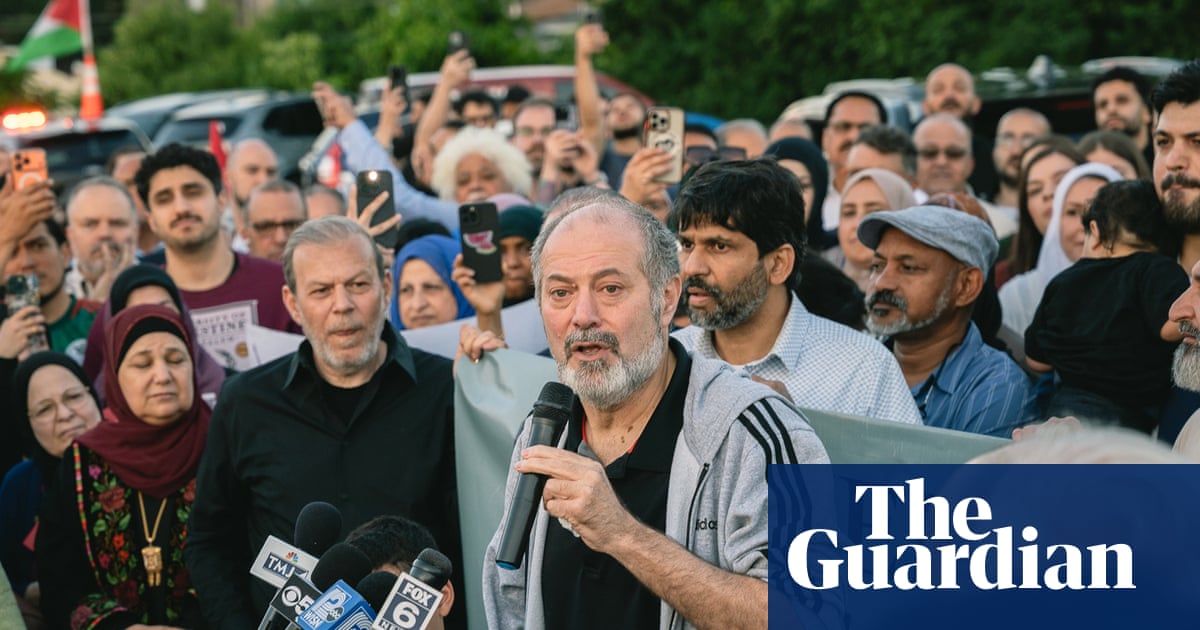
Salah Sarsour, president of Wisconsin's largest mosque, was detained by ICE for over 80 days and released after a federal judge found probable cause of retaliation for his advocacy for Palestinian rights. He claims the treatment reminded him of his time in Israeli military prisons.
Imagine being detained by the government for over 80 days without being told why. That's what happened to Salah Sarsour, the president of Wisconsin's largest mosque. He was treated poorly and reminded of his time in Israeli military prisons. The government is trying to silence him because he advocates for Palestinian rights.
Analysis
A Blatant Attempt at Intimidation
Salah Sarsour, the president of Wisconsin's largest mosque, was detained by ICE for over 80 days and released after a federal judge found probable cause of retaliation for his advocacy for Palestinian rights. The treatment he received during his detention, including being denied daily blood sugar level checks and being served food that he didn't know what he was eating, reminded him of his time in Israeli military prisons. This is not an isolated incident; Sarsour's case echoes those of Mahmoud Khalil, Leqaa Kordia, and others who were detained over their pro-Palestinian activism. The government's actions in this case are particularly alarming considering Sarsour has legally lived in the US for decades and that the government has known about his record in Israel for years.
The Government's Motivations
The government's motivations for detaining Sarsour are clear: to intimidate people out of denouncing Israel's actions in Gaza. The Trump administration has been cracking down on Palestinian advocacy groups, and Sarsour's detention is a blatant attempt to silence him. The government's use of the immigration court as a tool for their immigration enforcement policies is a clear abuse of power. Sarsour's case highlights the need for greater accountability and transparency in the government's treatment of Muslim leaders and their communities.
The Impact on Muslim Leaders
The impact of ICE detention on Muslim leaders like Sarsour is severe. The trauma and stress caused by detention can have long-lasting effects on their mental and physical health. The government's actions in this case are a clear example of the ways in which Muslim leaders are targeted and silenced. The Muslim community needs to come together to support Sarsour and other Muslim leaders who are being targeted by the government.
Key points
- Salah Sarsour, president of Wisconsin's largest mosque, was detained by ICE for over 80 days and released after a federal judge found probable cause of retaliation for his advocacy for Palestinian rights.
- Sarsour claims the treatment he received during his detention reminded him of his time in Israeli military prisons.
- The government's actions in this case are a clear example of the ways in which Muslim leaders are targeted and silenced.
- The Muslim community needs to come together to support Sarsour and other Muslim leaders who are being targeted by the government.
If the government's actions are challenged in court and they are found to be unlawful, it could set a precedent for future cases and protect Muslim leaders like Sarsour from similar treatment.
If the government continues to target Muslim leaders like Sarsour, it could lead to a chilling effect on free speech and advocacy for Palestinian rights, and could also lead to further trauma and stress for Muslim communities.


