My friends always want to split the bill equally, how do I say no?
Many people stay quiet when friends want equal bill splits, even when they ordered less. The BBC says experts recommend setting expectations early and speaking up.
Intelligence analysis by GPT-5.4 Mini
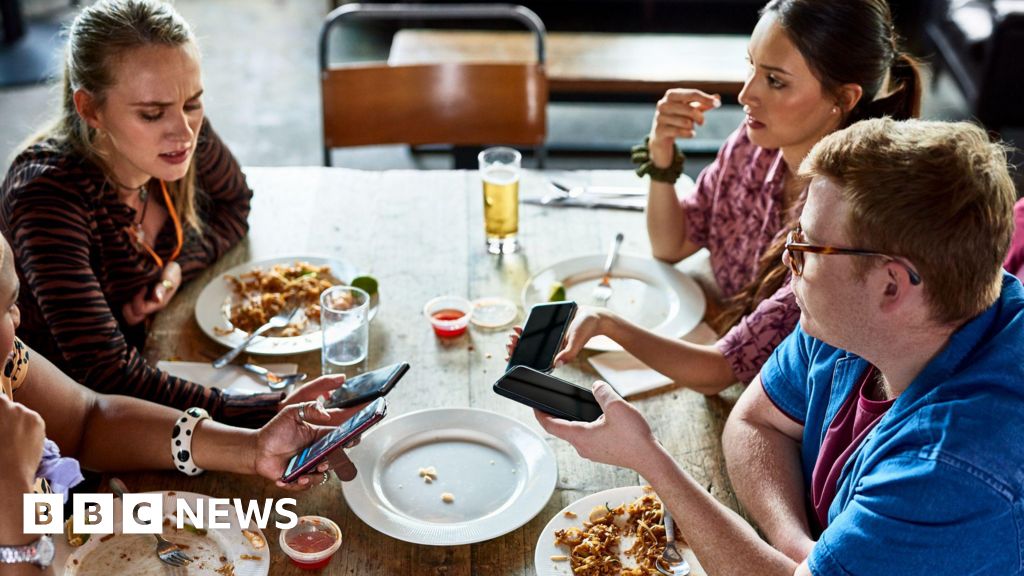
The piece looks at the awkward social pressure around splitting restaurant and holiday bills equally, especially when spending power differs within a friendship group. It argues that being open early is usually easier than trying to fix the bill at the end.
It is like five kids sharing a snack box, but one child eats a little and another eats a lot. The story says the fair thing is often to pay for what each person used, and to say that early instead of waiting until the end.
Analysis
Why bill-splitting gets awkward
The article follows people who feel pressured to split shared costs equally even when their spending is very different. Ella, a communications assistant from Leeds, says she often goes along with the group because asking for separate bills feels awkward, even when it means stretching her budget. On a holiday, she says she sometimes has to borrow money from her mother in secret to cover her share.
Money talk and social pressure
The story cites 2025 research from the Money and Pensions Service showing only four in 10 adults feel comfortable talking to friends about money. It also says women are less likely than men to feel okay discussing finances with friends, at 39% versus 50%. That helps explain why people avoid raising the issue, even when the group is spending beyond what some members can afford.
What experts suggest
Laura Pomfret, chief executive of the women's finance community Financielle, advises people to set expectations at the start rather than hoping someone else will suggest paying separately later. Her guidance is practical: decide in advance whether an event fits the budget, give a simple reason if needed, and remember that spending choices are personal.
How some friends handle it
The article also shows a more open approach. Chloe, who runs a tech startup in London, says she and her friends talk frankly about salaries, pay rises, and whether they can afford something. Mark Fullilove, a marketing manager from Birmingham, says his group usually pays for what they order, but mistakes still happen, especially when service charges or forgotten items leave a shortfall. The article's bottom line is that paying for what each person actually consumes is often the fairest option, because equal splits can encourage bigger orders and raise the total bill for everyone.
Key points
- People often avoid challenging equal bill splits because it feels awkward.
- The article says only four in 10 adults are comfortable talking to friends about money.
- A finance expert recommends setting expectations before the meal or trip starts.
- Some friend groups are open about salaries and budgets, which makes disagreements easier to handle.
- Equal splitting can encourage bigger orders and increase the total bill.
If people speak up early, shared meals and trips can feel fairer and less stressful. The article suggests honest money talk can reduce shame and make it easier for friends to choose plans everyone can afford.
If no one speaks up, quieter or lower-income friends may keep overpaying or borrowing money to keep the peace. Equal splits can also push groups toward more expensive choices, which can strain budgets and create resentment.