My only son was shot standing up for justice - inside city gripped by deadly protests in Pakistan-administered Kashmir
Dozens of people have been killed in clashes between security officials and protesters in Pakistan-administered Kashmir. The protesters are demanding affordable flour, electricity, and their basic rights.
Intelligence analysis by Llama
Protests in Pakistan-administered Kashmir have turned deadly, with dozens killed in clashes between security officials and protesters. The protesters are demanding affordable flour, electricity, and their basic rights.
Imagine you're living in a place where you don't have enough food, electricity, or basic rights. You're not a terrorist, you just want to live a normal life. But the government is treating you like one, using force to silence you. That's what's happening in Pakistan-administered Kashmir. The people are protesting for their rights, but the government is responding with violence. It's a complex issue, but the bottom line is that people are fighting for their lives and their rights.
Analysis
A Region in Crisis
The protests in Pakistan-administered Kashmir have been ongoing for months, with dozens of people killed in clashes between security officials and protesters. The protesters are demanding affordable flour, electricity, and their basic rights, but the government has responded with force, labeling the protesters as foreign-funded terrorists.
The region has been plagued by poverty, unemployment, and a lack of basic amenities, leading to widespread discontent among the population. The protesters are not just demanding their rights, but also seeking justice for the victims of the government's brutal crackdown.
The government's response has been to block roads, cut off the internet, and impose a curfew, making it difficult for the protesters to communicate and organize. The authorities have also accused the protesters of being violent and armed, but the protesters deny these allegations, saying they are peaceful and only seeking their rights.
The situation in Pakistan-administered Kashmir is a complex one, with deep-seated historical and cultural grievances. The region has been a disputed territory since the partition of India and Pakistan in 1947, and the Kashmiri people have been seeking self-determination for decades.
The current protests are a manifestation of this long-standing issue, and the government's response has only exacerbated the situation. The protesters are not just demanding their rights, but also seeking justice for the victims of the government's brutal crackdown. The situation in Pakistan-administered Kashmir is a stark reminder of the need for meaningful dialogue and reconciliation between the government and the people.
The Human Cost
The protests in Pakistan-administered Kashmir have resulted in the deaths of dozens of people, including young men, women, and children. The protesters are not just fighting for their rights, but also for their lives. The government's response has been brutal, with reports of live bullets being fired at the protesters.
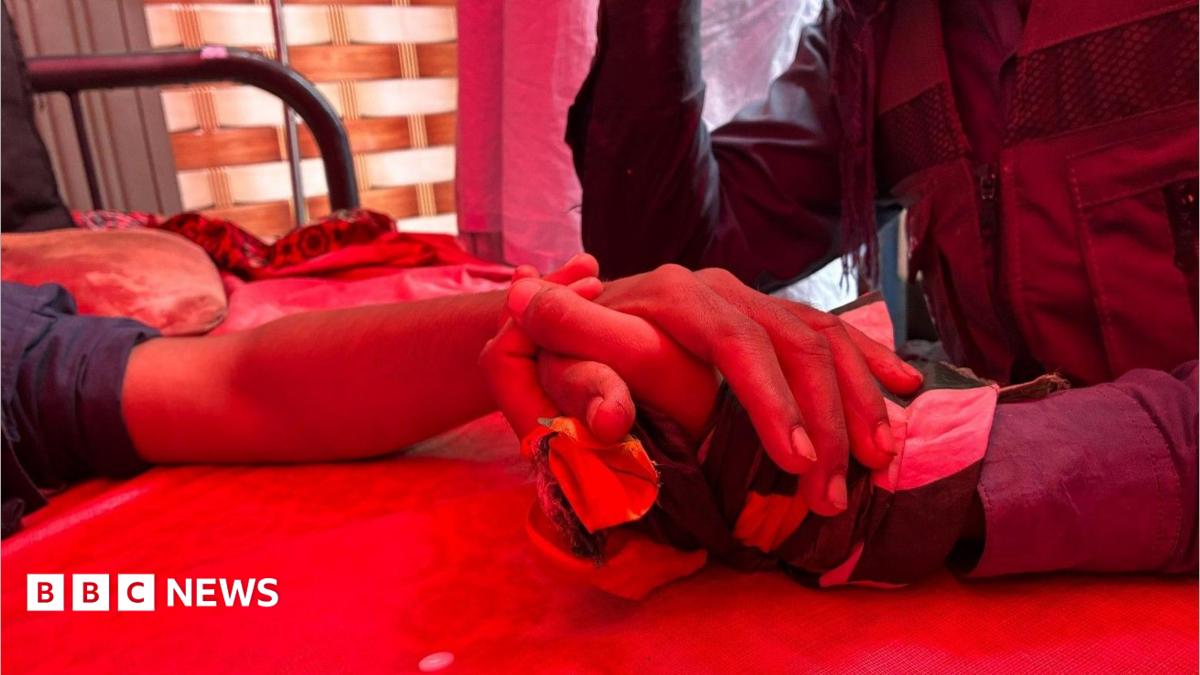
The human cost of the protests is evident in the makeshift clinics set up by the protesters, where the injured are being treated. The clinics are short-staffed and lack basic amenities, making it difficult for the medical staff to provide adequate care to the injured.
The protesters are not just fighting for their rights, but also for their lives. The government's response has been brutal, with reports of live bullets being fired at the protesters. The human cost of the protests is a stark reminder of the need for meaningful dialogue and reconciliation between the government and the people.
The Road Ahead
The situation in Pakistan-administered Kashmir is complex and sensitive, and the government's response has only exacerbated the situation. The protesters are demanding their rights, but the government is responding with force.
The road ahead is uncertain, but one thing is clear: the protesters will not back down until their demands are met. The government will have to find a way to address the grievances of the protesters and provide them with their basic rights.
The situation in Pakistan-administered Kashmir is a stark reminder of the need for meaningful dialogue and reconciliation between the government and the people. The protesters are not just fighting for their rights, but also for their lives. The government's response has been brutal, with reports of live bullets being fired at the protesters.
Key points
- Protests in Pakistan-administered Kashmir have turned deadly, with dozens killed in clashes between security officials and protesters.
- The protesters are demanding affordable flour, electricity, and their basic rights, but the government has responded with force.
- The government has labeled the protesters as foreign-funded terrorists, but the protesters deny these allegations, saying they are peaceful and only seeking their rights.
- The situation in Pakistan-administered Kashmir is complex and sensitive, with deep-seated historical and cultural grievances.
- The protesters are not just fighting for their rights, but also for their lives, and the government's response has been brutal, with reports of live bullets being fired at the protesters.
If the government can find a way to address the grievances of the protesters and provide them with their basic rights, the situation in Pakistan-administered Kashmir could improve. The protesters are not just fighting for their rights, but also for their lives. If the government can find a way to provide them with their basic needs, the protests could die down, and the region could return to a sense of normalcy.
If the government continues to respond to the protests with force, the situation in Pakistan-administered Kashmir could escalate further. The protesters are not just fighting for their rights, but also for their lives. If the government continues to use violence to silence them, the human cost could be even higher, and the region could descend into chaos.