‘My shirt was wringing’: National Express bus drivers speak out on 40C conditions
West Midlands bus drivers say heatwaves have left cabs unbearable, with some passengers passing out. National Express says it is providing breaks, water and air-conditioned new electric buses.
Intelligence analysis by GPT-5.4 Mini
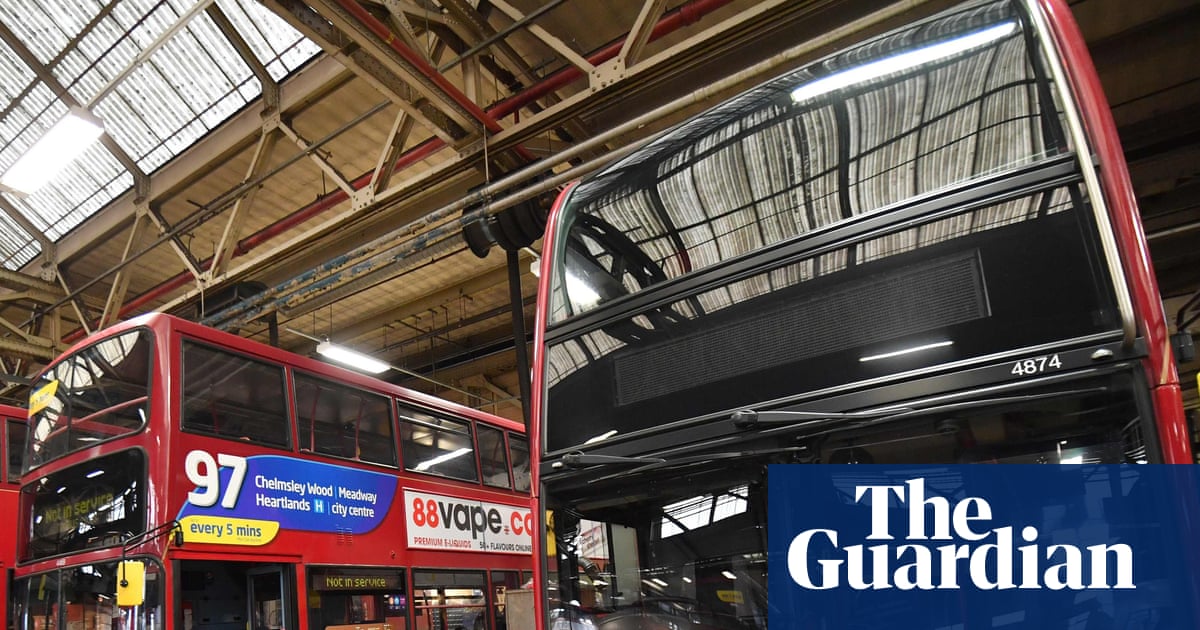
Drivers say extreme heat is making long shifts unsafe, with poor cooling and glass-heavy cabs trapping heat. The dispute is now about workplace safety, service reliability and how quickly bus operators adapt to hotter summers.
Bus drivers are saying their buses turned into ovens during a heatwave, making it hard and unsafe to do their jobs. It is like trying to work inside a parked car with the sun blasting in, except they have to drive and keep everyone safe.
Analysis
Heat Inside the Cab
The core issue is not just discomfort but the mechanics of a job that becomes harder as temperatures rise. Drivers described sweating through shifts, poor sleep before work, and the strain of staying alert while handling a heavy vehicle in extreme heat. One said the conditions were so severe that passengers had passed out on board.
That matters because bus driving depends on steady concentration and physical endurance. Once heat crosses from unpleasant into exhausting, the risk is no longer limited to the worker's comfort. It can affect passengers, service punctuality and the operator's exposure to accidents or complaints.
Union Pressure Meets Slow Retrofit
Unite is framing the problem as one of worker safety and employer responsibility, arguing that glass-heavy buses trap heat in a greenhouse effect. The union has even supplied drivers with a letter to use if they decide conditions are too dangerous to continue, pointing to their legal right to stop work for safety reasons.
National Express's response is cautious and familiar: the weather was unprecedented, new electric buses have air conditioning, and extra breaks and water are being provided. The tension is that older fleets were built for a milder climate, but the climate itself is changing faster than transport assets can be replaced. That leaves operators caught between the cost of retrofitting and the cost of doing nothing.
Public Transport Under A Hotter Climate
The story sits inside a broader policy shift. Heatwaves are no longer a one-off disruption but part of the operating environment, which is why the article links the issue to calls for a maximum workplace temperature and to support measures in London. Public transport, especially buses, is becoming a frontline test of how workers are protected when climate extremes arrive.
The wider economic question is whether transport firms, unions and governments can agree on standards before the pressure becomes more visible. If they do, the result could be safer jobs and more resilient services. If they do not, the likely outcome is more absences, more service strain and more public arguments each summer about who should pay for adaptation.
Key points
- Drivers in the West Midlands say bus cabs became unbearably hot during repeated heatwaves.
- Unite says high temperatures were worsened by glass windows that trap heat.
- National Express says it has added breaks, free water and air conditioning in new electric buses.
- The dispute is pushing renewed debate about workplace temperature limits and public transport safety.
- The story reflects how climate extremes are becoming an operating cost for transport firms.
If operators keep adding cooling, water and longer breaks, drivers could stay safer while service disruption stays limited. Over time, more air-conditioned vehicles could make summer bus service more reliable as heatwaves become more common.
If the problem keeps being handled as a temporary inconvenience, drivers may keep feeling forced to work in unsafe heat. That could raise the chance of illness, accidents, service delays and sharper conflict between unions and operators.