NADRA Launches Self-Service Kiosks at Mega Centers Nationwide
NADRA has introduced self-service kiosks at its mega centers across Pakistan, enabling citizens to independently apply for identity card renewals, replacements, and cancellations, aiming for a faster and more convenient process.
Intelligence analysis by Gemini 2.5 Flash
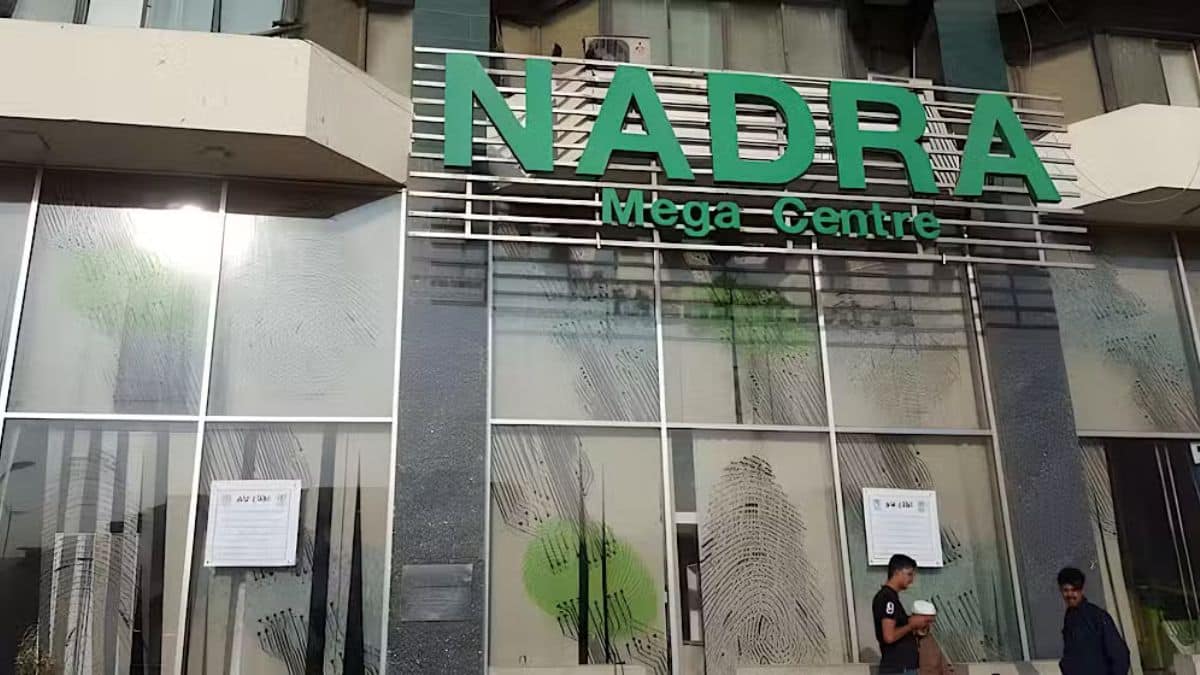
The National Database and Registration Authority (NADRA) in Pakistan has deployed self-service kiosks nationwide to streamline identity card services. This initiative allows individuals to manage tasks like card renewals, replacements, and cancellations without requiring direct staff assistance, significantly enhancing efficiency and user convenience at NADRA centers.
Imagine going to a special office to get your ID card, like a library card for grown-ups. Usually, you wait in a long line to talk to someone. But now, NADRA has put out special computer screens, like giant iPads, where you can do it all yourself! You can renew your card, get a new one if you lose it, or even tell them if someone in your family has passed away so their card can be cancelled. It's like a super-fast, easy way to get your important papers without waiting.
Analysis
Streamlining Citizen Services
NADRA's introduction of self-service kiosks marks a significant step towards modernizing public service delivery in Pakistan. By enabling citizens to independently manage critical identity-related tasks such as renewing National Identity Cards (NIC) or National Identity Cards for Overseas Pakistanis (NICOP), replacing lost or damaged cards, and even processing cancellations due to death, the authority aims to drastically reduce the administrative burden on both staff and applicants. This move is particularly impactful in a country where long queues and bureaucratic hurdles have historically been common at government service centers. The primary objective behind these kiosks is to enhance efficiency and convenience. Citizens can now bypass traditional counter services for routine transactions, freeing up NADRA personnel to handle more complex cases and inquiries. This not only speeds up individual processes but also contributes to a more organized and less congested environment within NADRA's mega centers, which are often hubs of high foot traffic. The self-service model empowers citizens with greater control over their application processes, potentially leading to fewer errors and a more transparent experience.
Expanding Digital Accessibility
The nationwide rollout of these kiosks underscores NADRA's commitment to leveraging technology for broader public good. In an increasingly digital world, providing accessible self-service options is vital for ensuring that essential government services keep pace with citizen expectations. This initiative aligns with global trends in e-governance, where digital platforms are utilized to improve service delivery, reduce corruption, and foster greater public trust. For Pakistan, a country with a large and diverse population, expanding digital accessibility is key to ensuring equitable access to fundamental identity documents. Furthermore, these kiosks can play a crucial role in data accuracy and integrity. By allowing citizens to input or verify their own information directly, the potential for transcription errors by staff is minimized. This direct interaction also educates citizens about their data and the importance of accurate record-keeping. The system's design to handle sensitive processes like card cancellations post-demise also highlights a thoughtful approach to managing life-cycle events related to identity, ensuring that records are updated promptly and accurately.
Implications for Future Governance
The success of NADRA's self-service kiosks could pave the way for similar technological integrations across other government departments in Pakistan. Demonstrating the tangible benefits of automation in terms of speed, convenience, and reduced operational costs might encourage other agencies to adopt self-service models for their respective citizen-facing operations. This could lead to a more interconnected and efficient public sector ecosystem, ultimately benefiting the entire populace through streamlined access to various government services. However, the long-term impact will also depend on factors such as user adoption rates, technical reliability of the kiosks, and ongoing maintenance and support. Ensuring that these kiosks are user-friendly, especially for individuals with varying levels of digital literacy, will be paramount. Continuous feedback mechanisms and iterative improvements will be essential to maximize their utility and ensure they truly serve the diverse needs of Pakistani citizens, reinforcing NADRA's role as a pioneer in digital identity management within the country.
Key points
- NADRA has launched self-service kiosks at most of its mega centers across Pakistan.
- Citizens can now apply for identity card renewals, replacements, and cancellations independently.
- The initiative aims to make identity-related processes faster, easier, and more convenient.
- This move reduces the need for direct staff assistance for routine transactions.
The introduction of these kiosks is expected to significantly reduce wait times and improve the overall efficiency of NADRA centers, making essential identity services more accessible and convenient for citizens. This modernization could also set a precedent for other government departments to adopt similar tech-driven solutions, enhancing public service delivery nationwide.
While aiming for efficiency, potential challenges include ensuring widespread digital literacy among citizens to effectively use the kiosks, maintaining the technical reliability of the machines, and providing adequate support for those who still require assistance, which could lead to frustration if not managed properly.