NADRA warns citizens against fake tracking ID’s on social media
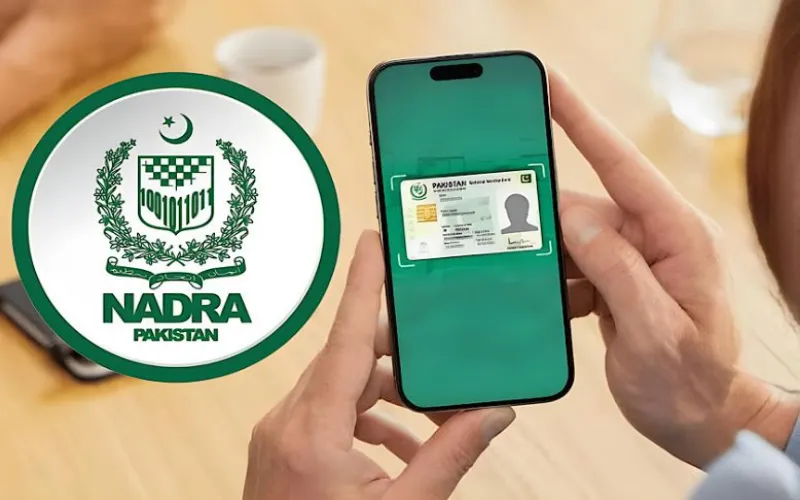
NADRA has issued a warning to Pakistani citizens regarding fake tracking IDs and misinformation circulating on social media, urging them to protect personal data and use only official channels like the Pak ID app or SMS service 8400.
Intelligence analysis by Gemini 2.5 Flash
Pakistan's National Database and Registration Authority (NADRA) is actively combating online fraud by cautioning citizens against sharing sensitive personal information, such as tracking IDs, on social media. The authority emphasizes relying solely on its verified platforms and services to prevent data misuse and identity theft, while also highlighting new accessibility initiatives.
Imagine NADRA is like the school office that keeps track of everyone's important papers. They're telling everyone not to share their secret student ID numbers or personal details on social media, like Facebook or TikTok, because bad guys might pretend to be the school office and try to trick you. Instead, they want you to use their special app or send a text to a secret number (8400) to keep your information safe, just like only telling your parents your house key code.
Analysis
NADRA's Digital Security Push
The National Database and Registration Authority (NADRA) has intensified its efforts to safeguard citizens' personal information amidst a surge of fraudulent activities online. The authority's recent warning highlights the pervasive threat of fake tracking IDs and unverified information disseminated across various social media platforms. This proactive stance by NADRA underscores a growing recognition of the digital vulnerabilities faced by the public, particularly concerning sensitive identity-related data. By explicitly advising against sharing tracking numbers and other private details in public comments, NADRA aims to mitigate the risks of data breaches and subsequent misuse.
The proliferation of unverified accounts and suspicious links poses a significant challenge to public trust and data integrity. NADRA's directive for citizens to confirm information through official sources before taking any action is a critical step in fostering a more secure digital environment. This guidance is particularly pertinent in an era where misinformation can quickly spread, leading to widespread confusion and potential financial or identity-related harm. The emphasis on official channels like the 8400 SMS service and the Pak ID mobile application serves to centralize legitimate information and service access, thereby reducing reliance on potentially compromised third-party sources.
Pak ID Mobile Application
The introduction and promotion of the Pak ID mobile application represent a strategic move by NADRA to enhance the accessibility and security of its digital services. This official platform offers citizens a secure conduit for accessing identity-related services, providing a reliable alternative to potentially insecure online interactions. The application is designed to streamline processes while ensuring that personal data remains protected within a controlled environment. Its availability signifies NADRA's commitment to leveraging technology for public convenience, without compromising on the stringent security protocols required for sensitive information.
By encouraging the use of the Pak ID app, NADRA is not only simplifying the user experience but also actively educating the public on best practices for digital engagement with government services. This initiative is part of a broader strategy to build digital literacy among citizens, empowering them to distinguish between legitimate and fraudulent online interactions. The app's role extends beyond mere convenience; it acts as a bulwark against the deceptive tactics employed by fraudsters who exploit public platforms to solicit personal details.
Home-Based Service Facility
Beyond digital security, NADRA has also demonstrated a commitment to inclusivity through its home-based service facility. This initiative specifically targets senior citizens and individuals with disabilities who face significant challenges in physically visiting NADRA offices. By offering appointments for a NADRA Biker to visit homes, the authority is removing critical barriers to accessing essential services like renewing or updating National Identity Cards. This service reflects a holistic approach to citizen welfare, acknowledging that not all segments of the population can equally navigate digital or physical service points.
The home-based service facility is a testament to NADRA's efforts to ensure that no citizen is left behind due to age, disability, or logistical constraints. It complements the digital security warnings by providing a secure, personalized alternative for those who might otherwise be vulnerable to online scams or unable to access services. This dual focus on digital protection and physical accessibility underscores NADRA's comprehensive strategy to serve the diverse needs of the Pakistani populace effectively and securely.
Key points
- NADRA warns citizens against fake tracking IDs and false information on social media.
- Citizens are advised not to share personal data, including tracking numbers, in public comments.
- Official channels like the 8400 SMS service and Pak ID mobile application should be used for information.
- People should avoid unverified accounts, suspicious links, and unknown messages to prevent fraud.
- NADRA also offers a home-based service for senior citizens and disabled individuals to renew/update NICs.
If citizens heed NADRA's warnings and consistently use official channels, the incidence of identity theft and online fraud related to national identity documents could significantly decrease, fostering greater trust in digital government services. The increased adoption of the Pak ID app and SMS service could streamline processes and enhance data security for millions.
Despite NADRA's warnings, a significant portion of the population, especially those less digitally literate, might continue to fall victim to sophisticated social media scams, leading to widespread personal data compromise and erosion of public trust in online interactions. The persistent spread of misinformation could overwhelm official communication efforts.