Nationwide nearly doubles CEO’s pay packet to £4.7m despite bonus row
Nationwide’s CEO Debbie Crosbie got £4.7m after bonuses rose sharply, even as critics questioned the society’s pay governance.
Intelligence analysis by GPT-5.4 Mini
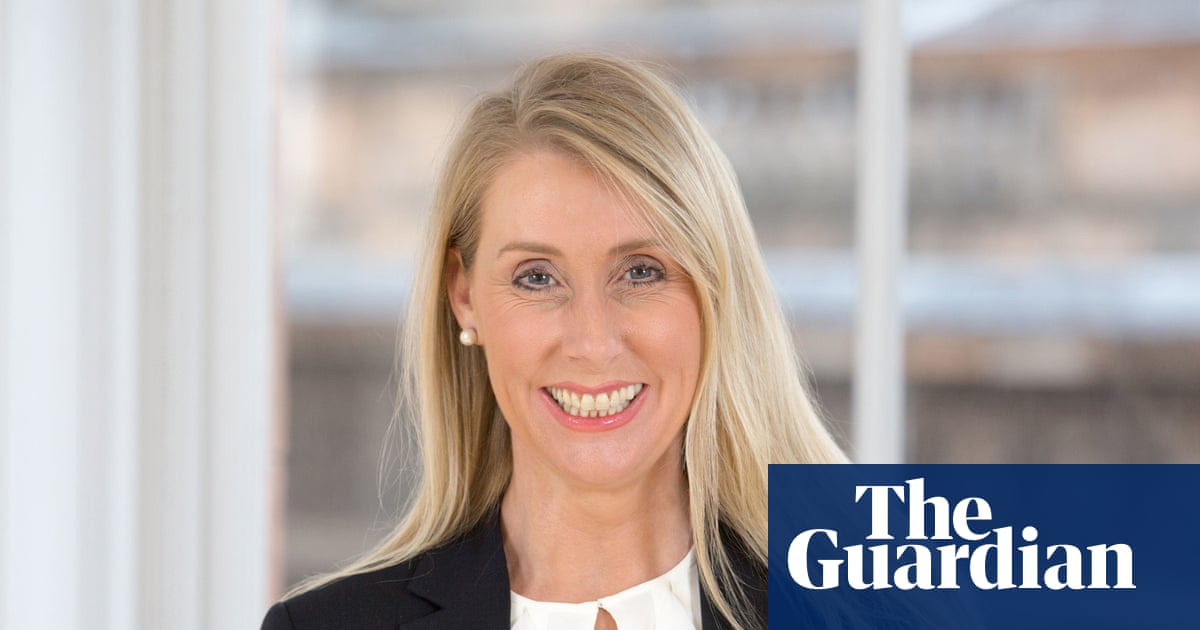
Nationwide says its bigger scale after buying Virgin Money justifies a richer reward for CEO Debbie Crosbie. Critics argue the mutual is drifting from its democratic roots because members did not get a binding vote on pay or the takeover.
Nationwide says its boss got a much bigger reward because the company got bigger and did well after buying another bank. But some members think the rulebook is unfair, like a school letting the players choose the referee for their own match.
Analysis
Pay jumps after Virgin Money takeover
Nationwide’s annual report shows chief executive Debbie Crosbie received £3.2m in bonuses for the year to March 2026, up from £1.1m the year before. That lifted her total pay to £4.7m, an 88% rise from the roughly £2.5m she earned in the previous year.
The society says the increase reflects its stronger performance and the larger business Crosbie now runs after the £2.9bn takeover of Virgin Money. Nationwide also said eligible staff across its 26,890-strong workforce will get an average pay rise of 3.8% from 1 July, and Crosbie’s annual salary rose 2.9% in April to £1.2m.
Governance concerns
The pay changes have reignited criticism about whether Nationwide is still acting like a member-owned mutual. The board did not give members a binding vote on the pay rise at the 2025 AGM, and it also refused a member vote on the Virgin Money acquisition. Andrew Speke of the High Pay Centre said the package now looks comparable to high-street bank pay, while lacking the binding member oversight expected of a building society.
Nationwide will ask members to approve Crosbie’s latest package in an advisory vote at its 15 July AGM. The chair, Kevin Parry, says the long-term bonus reflects three years of strong performance, including higher member payouts, stronger customer satisfaction and the country’s largest branch network.
The society has also been returning cash to customers: last month it announced another £440m of £100 payments, its fourth straight year of member payouts. But not all members are content. Nationwide is also facing a board-election challenge from customer James-Sherwin Smith, whom the board says lacks the experience needed for the role, while it has blocked changes he wanted to make to the election materials.
Key points
- Debbie Crosbie’s total pay rose to £4.7m, with £3.2m coming from bonuses.
- Nationwide says the rise reflects its enlarged business after buying Virgin Money.
- Critics argue members should have had a binding vote on pay and the takeover.
- The society plans an advisory vote on the package at its 15 July AGM.
- Nationwide says staff will get an average pay rise of 3.8% from 1 July.
If Nationwide’s stronger performance continues, members could keep seeing cash payments and better service. The board says the larger business, wider branch network and higher customer satisfaction show the takeover is creating value.
If members keep feeling shut out of key decisions, trust in Nationwide’s mutual model could weaken. The pay row may also deepen criticism that the society is acting more like a standard bank than a member-owned lender.