NATO’s claims on Iran nuke, Strait of Hormuz ‘baseless"
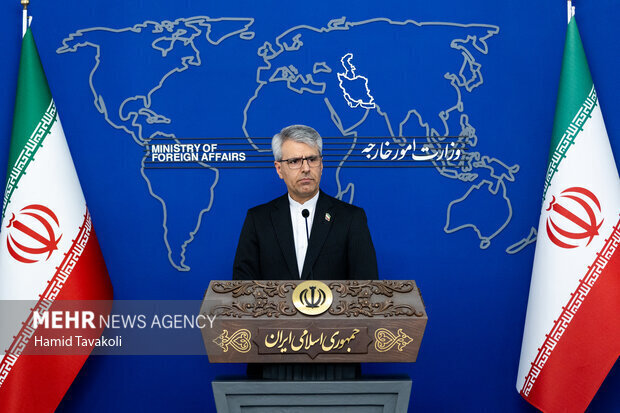
Iran's embassy in Turkey dismissed NATO's allegations regarding its peaceful nuclear program and freedom of navigation in the Strait of Hormuz as baseless and politically motivated.
Intelligence analysis by Gemini 2.5 Flash
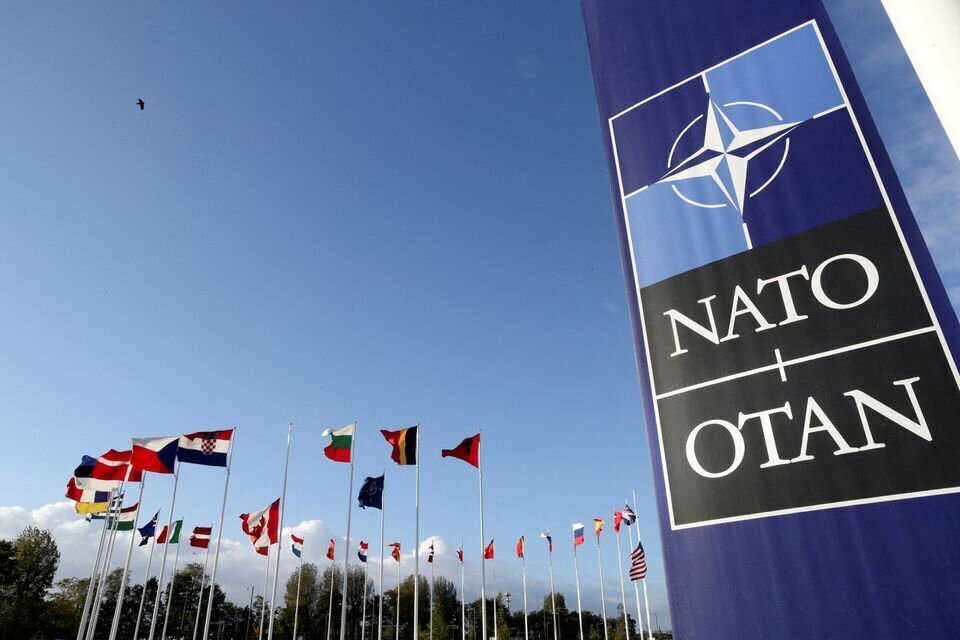
The Islamic Republic of Iran categorically rejected claims made in a NATO Summit statement, asserting its nuclear program is peaceful and nuclear weapons are not part of its defense doctrine. Iran also emphasized its responsible role in maintaining maritime security in the Persian Gulf and Strait of Hormuz, blaming extra-regional actors for regional insecurity.
Imagine two kids, Iran and NATO, arguing about who's being naughty. NATO says Iran is secretly building a super-powerful toy (a nuclear bomb) and messing with the path for other kids' boats (Strait of Hormuz). But Iran says, "No way! My toy is just for playing peacefully, and I'm actually helping keep the boat path safe. It's *other* big kids (like the US and Israel) who are causing trouble!" So, they're both pointing fingers and saying the other one is wrong.
Analysis
Iran's Nuclear Program: A Peaceful Stance
Iran's embassy in Turkey vehemently rejected NATO's claims concerning its nuclear program, reiterating that it is entirely peaceful. As a signatory to the Treaty on the Non-Proliferation of Nuclear Weapons (NPT), Iran consistently maintains that nuclear weapons have no place in its defense doctrine. This stance is a cornerstone of Iran's diplomatic messaging, aiming to counter international concerns about its nuclear capabilities and intentions.
The embassy's statement underscores Iran's commitment to international treaties while simultaneously pushing back against what it perceives as politically motivated accusations. This narrative is crucial for Iran in its efforts to alleviate sanctions and improve its international standing, despite persistent skepticism from Western powers regarding the transparency and scope of its nuclear activities.
Ensuring Maritime Security in the Persian Gulf
Regarding freedom of navigation in the Strait of Hormuz, Iran asserted its responsible role in maintaining maritime security in the Persian Gulf. The embassy argued that it is not Iran, but rather the "illegal military interventions, provocative actions, and destabilizing policies of extra-regional actors" that are the primary source of insecurity in the region. This directly implicates the United States and Israel, which Iran labels as having prioritized aggression over diplomacy.
This counter-accusation highlights Iran's long-standing position that external military presence exacerbates tensions in the vital waterway. Iran views its own naval activities as defensive and essential for regional stability, while condemning what it sees as foreign interference. The Strait of Hormuz is a critical chokepoint for global oil shipments, making any claims about its security highly sensitive and geopolitically significant.
Geopolitical Blame Game and NATO's Standing
The Iranian embassy further criticized NATO, stating that the alliance, having supported and facilitated acts of aggression against the Iranian people, lacks the standing to lecture Iran on regional peace and security. This strong rebuke reflects Iran's deep-seated distrust of Western military alliances and their historical involvement in the Middle East. The reference to the US and the "terrorist Israeli regime" bombing the negotiating table points to past diplomatic failures and ongoing hostilities.
This exchange underscores the entrenched positions of both sides, with Iran consistently portraying itself as a victim of external aggression and a responsible regional actor. The dismissal of NATO's legitimacy to comment on Iranian affairs signals a continued confrontational approach in diplomatic discourse, making de-escalation challenging. The article frames the situation as a clear ideological and geopolitical divide, with little room for common ground.
Key points
- Iran's embassy in Turkey rejected NATO's claims on its nuclear program and Strait of Hormuz navigation as baseless.
- Iran maintains its nuclear program is peaceful and nuclear weapons are not part of its defense doctrine.
- The embassy asserted Iran's responsible role in maintaining maritime security in the Persian Gulf and Strait of Hormuz.
- Iran accused 'extra-regional actors,' specifically the US and Israel, of being the primary source of insecurity in the region.
- Iran stated that NATO lacks the standing to lecture it on regional peace and security due to its alleged support for aggression against the Iranian people.
The persistent accusations and counter-accusations between Iran and NATO, as highlighted by Iran's embassy, suggest a continued diplomatic deadlock and heightened regional tensions. This confrontational stance could lead to further instability in the Persian Gulf and hinder any prospects for de-escalation or constructive dialogue on Iran's nuclear program and maritime security.