Navy recovers 105,000 litres of suspected stolen crude in Delta
The Nigerian Navy has recovered 105,000 litres of suspected stolen crude oil in Delta State, intensifying efforts to combat oil theft in the Niger Delta region.
Intelligence analysis by Gemini 2.5 Flash
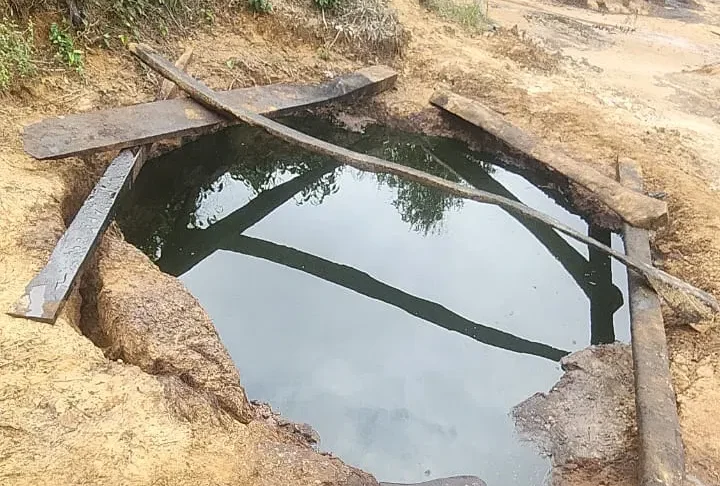
During anti-crude oil theft operations under 'Operation Delta Sentinel,' the Nigerian Navy discovered and recovered significant quantities of suspected stolen crude from concealed storage facilities in Delta State. This action is part of ongoing efforts by security agencies to disrupt illegal oil networks and protect national oil and gas assets.
Imagine Nigeria has a big piggy bank full of oil, which is like special liquid gold that helps run cars and factories. But some sneaky people are trying to steal this liquid gold from the pipes and hide it. The Nigerian Navy, like brave police officers of the sea, caught these thieves and found a huge amount of the stolen oil, about 105,000 big bottles worth, hidden in secret places. They're working hard to stop these thefts so Nigeria doesn't lose its valuable resources.
Analysis
The recent recovery of 105,000 litres of suspected stolen crude oil by the Nigerian Navy in Delta State underscores the ongoing challenges and concerted efforts to combat illicit activities in the Niger Delta. Crude oil theft remains a significant drain on Nigeria's economy, with vast quantities of oil siphoned off daily, leading to substantial revenue losses for the government and legitimate operators. These operations are vital for disrupting the sophisticated networks that facilitate such theft, which often involve a complex web of local collaborators and international syndicates.
Delta State
Delta State, located in the oil-rich Niger Delta region, is a focal point for crude oil production and, consequently, for illegal bunkering and refining activities. The geographical terrain, characterized by numerous creeks and waterways, provides ample cover for illicit operations, making it challenging for security forces to patrol and monitor effectively. The discovery of concealed storage facilities in the Oteghele axis of Delta State highlights the clandestine nature of these operations and the lengths to which perpetrators go to hide their stolen products.
The economic impact on Delta State and Nigeria as a whole is profound. Revenues that could be used for development projects, infrastructure, and social services are lost, perpetuating a cycle of underdevelopment and poverty in oil-producing communities. The environmental damage caused by illegal refining and pipeline vandalism also poses severe long-term health and ecological risks to the region's inhabitants and ecosystems.
Operation Delta Sentinel
The recovery was carried out under 'Operation Delta Sentinel,' an initiative by the Nigerian Navy specifically designed to tackle crude oil theft and protect critical oil and gas infrastructure. This operation demonstrates a sustained commitment by the Nigerian military to enhance maritime security and enforce anti-bunkering laws. The success of such operations relies heavily on intelligence gathering, inter-agency cooperation, and the deployment of specialized naval assets capable of navigating the intricate waterways of the Niger Delta.
The effectiveness of 'Operation Delta Sentinel' is crucial for restoring investor confidence in Nigeria's oil sector. Frequent disruptions and losses due to theft deter foreign investment and can lead to reduced production quotas, further impacting the nation's economic stability. By actively disrupting these theft networks, the Navy aims to create a more secure operating environment for legitimate oil companies and ensure that national resources are properly accounted for.
Abiodun Folorunsho
Navy Captain Abiodun Folorunsho, the Director of Naval Information, played a key role in disseminating details of this successful operation. His statements, as reported by Vanguard newspaper, provide transparency and accountability regarding the Navy's efforts. Publicizing these successes is important for demonstrating progress in the fight against oil theft and for reassuring the public and international partners that measures are being taken to address the issue.
Captain Folorunsho's communication highlights the strategic importance of these anti-theft operations, framing them as essential for protecting national assets and preventing economic losses. Such official pronouncements also serve as a deterrent to potential perpetrators, signaling the increased vigilance and operational capacity of the Nigerian Navy. The detailed reporting of quantities recovered and locations targeted helps to build a clearer picture of the scale and nature of the challenges faced in securing Nigeria's oil wealth.
Key points
- The Nigerian Navy recovered 105,000 litres of suspected stolen crude oil in Delta State.
- The recovery was part of anti-crude oil theft operations under 'Operation Delta Sentinel'.
- Concealed storage facilities used by suspected oil thieves were uncovered in the Oteghele axis.
- The operation aims to disrupt crude oil theft networks, protect oil and gas assets, and prevent economic losses.
The successful recovery demonstrates the Nigerian Navy's enhanced operational capabilities and commitment to combating oil theft, which could lead to a reduction in economic losses and improved revenue for the nation. Continued vigilance and effective operations may deter future illicit activities, fostering greater stability in the oil sector.
Despite this recovery, the sheer volume of stolen crude indicates the persistent and widespread nature of oil theft in the Niger Delta, suggesting deep-rooted systemic issues. Without addressing the underlying causes and strengthening enforcement, such incidents are likely to continue, posing an ongoing threat to Nigeria's economy and security.