Nawaf Salam to Hezbollah: We are only asking you to honor your commitments, nothing more
Lebanese Prime Minister Nawaf Salam urged Hezbollah to back talks with Israel and stick to its pledges as Beirut pursues a ceasefire and Israeli withdrawal.
Intelligence analysis by GPT-5.4 Mini
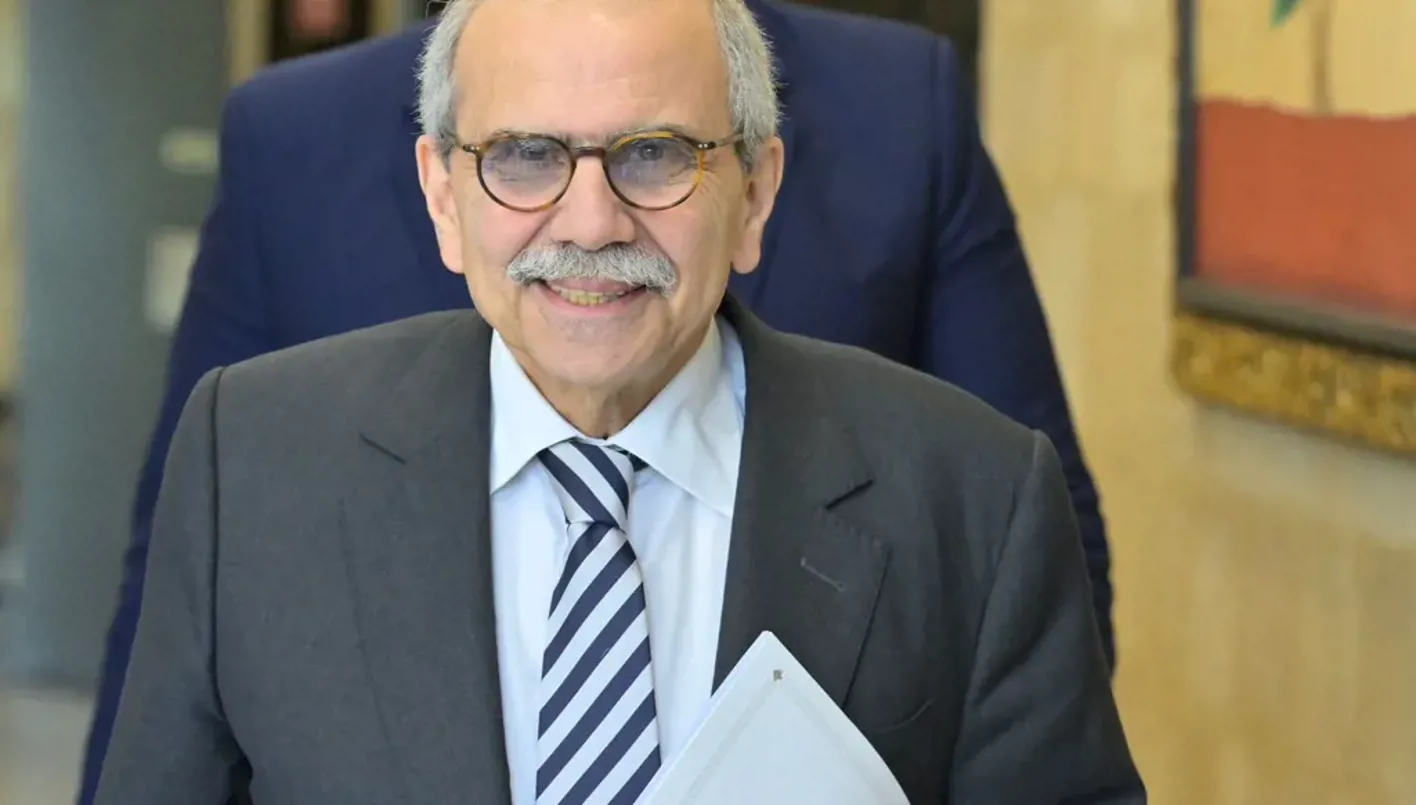
Salam pressed Hezbollah to support Lebanon's negotiations in Washington and stop tying the country's choices to Iran's interests. He said Lebanon wants a ceasefire, Israeli withdrawal, and a state-led path that keeps decisions on war and peace in government hands.
Lebanon’s leader is telling Hezbollah: please keep your promises and let the country handle its talks like one team. It is like a family agreeing that one parent will speak for everyone at the table, instead of each person shouting a different plan.
Analysis
What Salam is saying
Lebanese Prime Minister Nawaf Salam is urging Hezbollah to align itself with the state’s negotiating track and honor what he describes as Lebanon’s existing commitments. In the article, he says Lebanon is asking Hezbollah to "commit to your undertakings" and not more than that.
The negotiating backdrop
According to the report, Lebanon and Israel are set to resume U.S.-mediated talks on June 22. Beirut says it wants a permanent ceasefire, a full Israeli withdrawal, and the return of displaced civilians, with the Lebanese army overseeing the outcome. Israel, by contrast, wants Hezbollah weakened as a military force, at least in southern Lebanon, before giving up occupied territory.
Hezbollah, Iran, and state authority
Salam rejects the idea that disarming Hezbollah is simply an Israeli demand. He points to Lebanon’s own 1989 Taif Agreement and the cabinet statement, both of which affirm the state’s monopoly on weapons and on decisions of war and peace. His message is that these are Lebanese commitments, not concessions made to Israel at the table.
The article also says Iran is unhappy that Beirut is negotiating separately with Israel, because that sidelines Tehran’s leverage. Salam, meanwhile, insists Lebanon is acting as an independent state and says no one else negotiates on its behalf.
What he wants from Hezbollah
Salam frames Hezbollah as a Lebanese political force that should respect the government’s line. He says the party should support the negotiations, especially if it cares about the people affected by the war, and he dismisses political noise around the process. The core of his message is simple: Lebanon wants Hezbollah to fulfill its promises and let the state handle the negotiations.
Key points
- Salam urged Hezbollah to support Lebanon's U.S.-mediated talks with Israel.
- He said Lebanon is asking the party to honor its commitments, not more.
- Lebanon wants a permanent ceasefire, Israeli withdrawal, and the return of displaced civilians.
- Salam rejected the claim that disarming Hezbollah is merely an Israeli condition.
- The article says Iran is unhappy with Beirut negotiating independently.
If Hezbollah backs the talks, Lebanon could present a more united front and improve the chances of a ceasefire agreement. That could help move the process toward Israeli withdrawal and the return of displaced civilians under state supervision.
If Hezbollah refuses to align with the government's track, the negotiations could stall or lose credibility. The article also suggests Iran's anger and Israel's demand to curb Hezbollah's military role could keep any deal fragile.