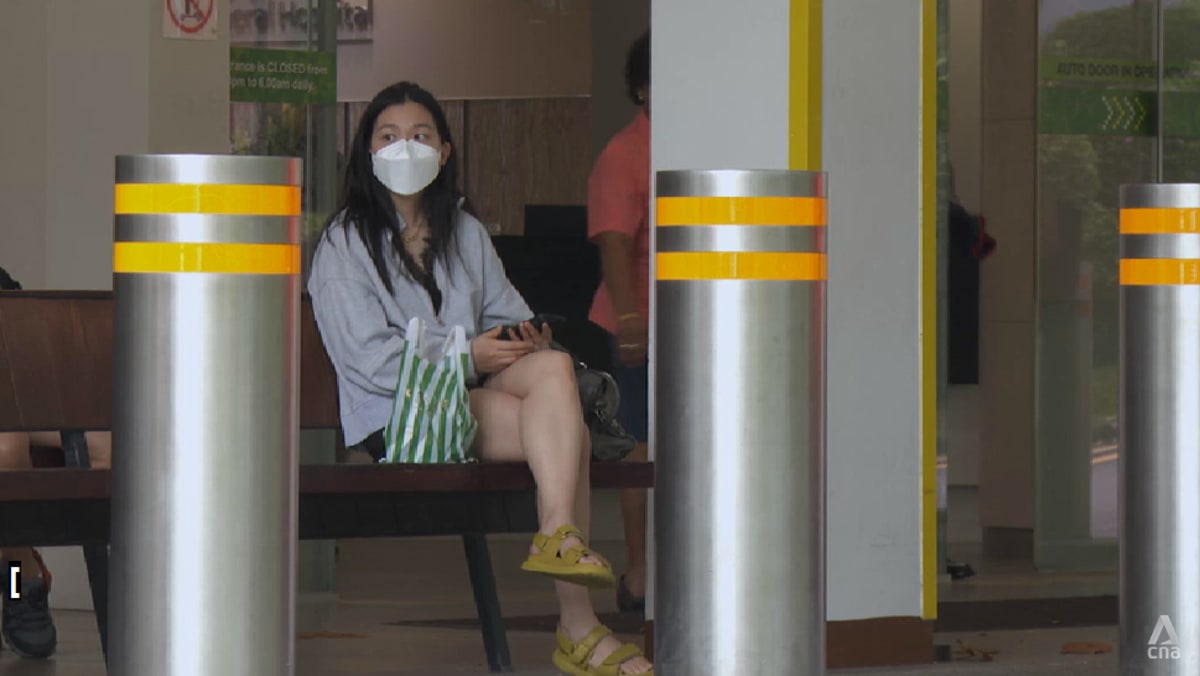
NEA tracking haze hotspots and sources as earlier investigations under Transboundary Haze Pollution Act continue
NEA monitoring haze, gathering info on sources, despite no action under Transboundary Haze Pollution Act considered.
Intelligence analysis by Qwen 2.5 (3B)
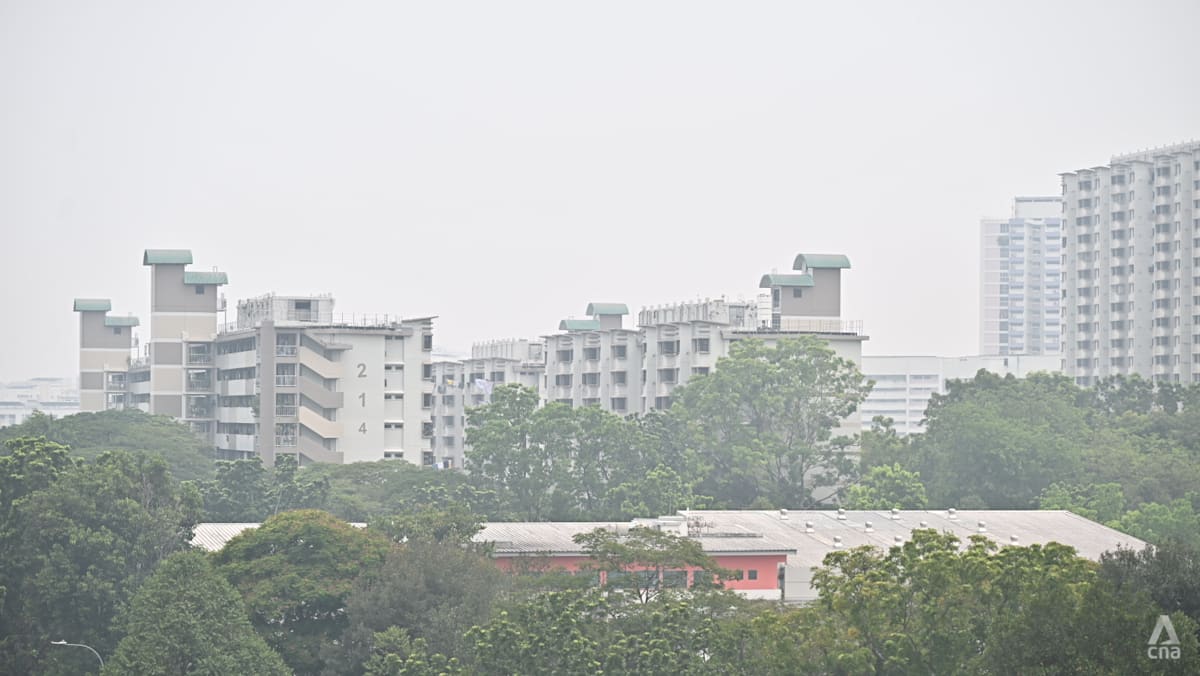
NEA monitoring haze in Singapore, gathering info on sources despite no action under Transboundary Haze Pollution Act considered.
NEA is looking at haze in Singapore and finding out where the fires are. They want to see if any companies overseas are causing the haze. They can't take action yet because no one has been fined under a special law about haze.
Analysis
{"#ongoing_investigations":"NEA's ongoing investigations into four Indonesian companies remain key to any potential legal action under the Transboundary Haze Pollution Act. The Act allows authorities to take legal action against companies responsible for causing or contributing to haze pollution in Singapore, even if their activities take place overseas. As of October 12, 2026, NEA has identified fires on concession lands associated with six Indonesian companies and issued legal notices to all six under the Act. However, no action has been taken under the Act since its implementation in 2014.","#transboundary_haze_pollution_act":"The Transboundary Haze Pollution Act, enacted in September 2014, empowers authorities to take legal action against companies responsible for causing or contributing to haze pollution in Singapore, even if their activities take place overseas. The Act applies to entities operating both within and outside Singapore, including those that condone activities resulting in haze pollution here. It also empowers authorities to issue preventive measures notices requiring companies to take steps to prevent, reduce or control haze pollution. Individuals and businesses in Singapore can also pursue civil claims against responsible entities for personal injury, property damage or economic losses arising from haze pollution.","#challenges_in_enforcement":"Enforcement of the Transboundary Haze Pollution Act can be challenging, particularly when identifying the companies responsible for fires overseas and obtaining evidence across national borders. Since the Act was enacted, no one has been fined or sued under the Act. NEA's current monitoring of haze hotspots and sources is crucial for future enforcement actions."}
Key points
- NEA is monitoring haze in Singapore
- NEA is investigating four Indonesian companies
- No action has been taken under the Transboundary Haze Pollution Act since its implementation
- The Act allows authorities to take legal action against companies responsible for causing or contributing to haze pollution in Singapore, even if their activities take place overseas
If NEA can find out who is causing the haze, they might be able to take action under the special law to stop it.
If NEA can't find out who is causing the haze, they might not be able to take action under the special law to stop it.