Nearly $32 Million in ‘Dormant’ Bitcoin Moves After Coldcard Hack Reaches Estimated $130M
A Bitcoin address holding $31.8 million in coins moved for the first time in 12 years after a Coldcard hack. The hack has drained an estimated $130 million in Bitcoin.
Intelligence analysis by Llama
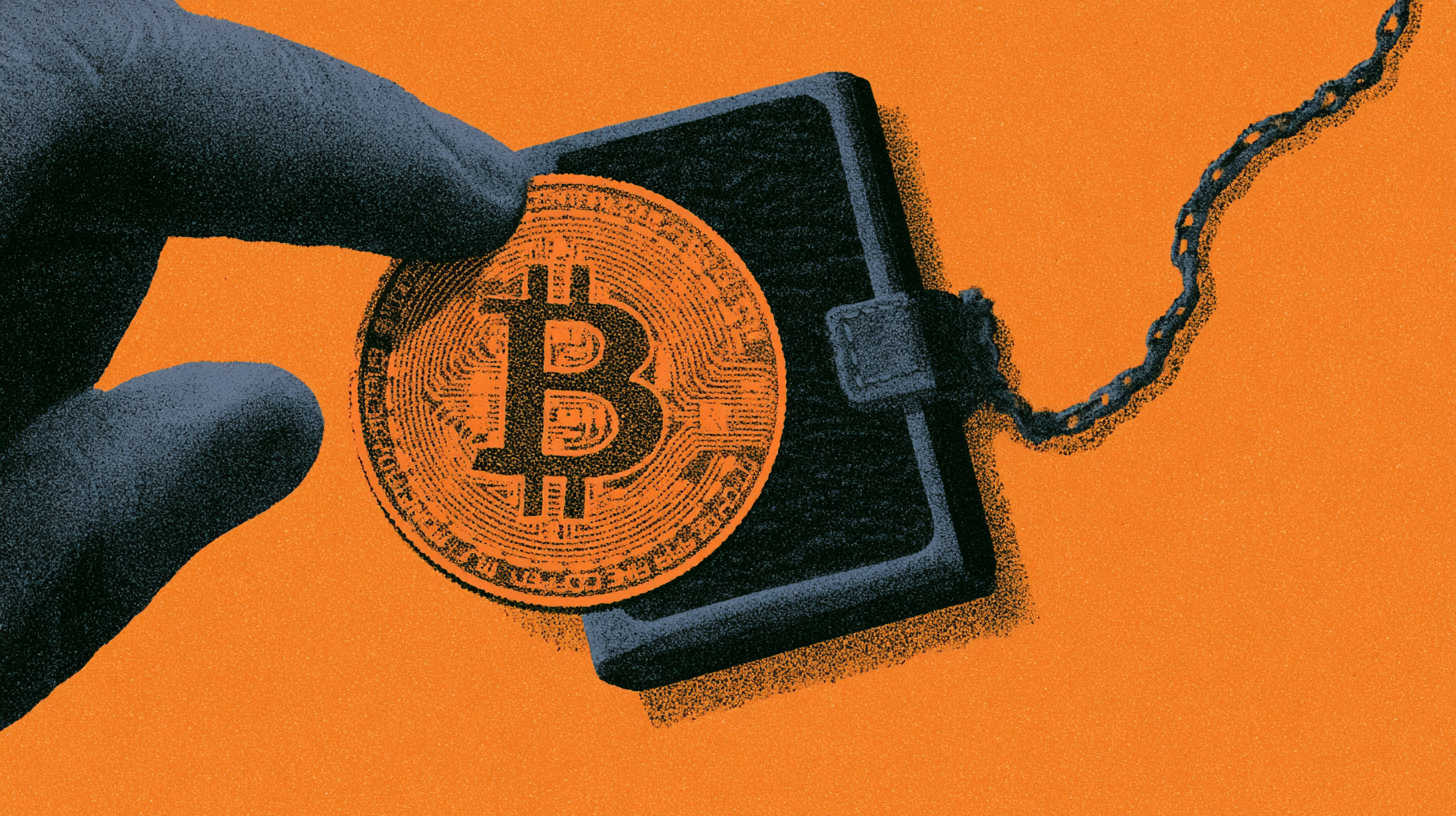
A Bitcoin address holding $31.8 million in coins moved for the first time in 12 years after a Coldcard hack. The hack has drained an estimated $130 million in Bitcoin. The move has sparked speculation about the identity of the whale and the motivations behind the transfer.
Imagine you have a big jar of coins that you've been saving for a long time. One day, someone breaks into the jar and steals a bunch of coins. That's kind of what happened with the Coldcard hack. A group of hackers broke into some Bitcoin wallets and stole a lot of coins. The good news is that the people who own the coins are working to get their money back.
Analysis
A $60B Vote of Confidence
The recent Coldcard hack has sent shockwaves through the Bitcoin community, with an estimated $130 million in coins drained from vulnerable wallets. The hack has highlighted the importance of securing one's Bitcoin holdings, particularly for large-scale investors. The movement of $31.8 million in coins from a dormant address has also sparked speculation about the identity of the whale and the motivations behind the transfer.
Why Cursor?
The Coldcard hack has raised questions about the security of Bitcoin wallets and the potential for large-scale theft. The hack has also highlighted the need for investors to take proactive steps to secure their holdings, such as using hardware wallets and enabling two-factor authentication. The movement of $31.8 million in coins from a dormant address has also sparked speculation about the identity of the whale and the motivations behind the transfer.
The Road Ahead
The Coldcard hack has significant implications for the security of Bitcoin wallets and the potential for large-scale theft. The movement of $31.8 million in coins from a dormant address has also highlighted the potential for whales to influence the market. As the Bitcoin community continues to grapple with the implications of the hack, investors are left wondering what the future holds for the security of their holdings.
Key points
- A Bitcoin address holding $31.8 million in coins moved for the first time in 12 years after a Coldcard hack.
- The hack has drained an estimated $130 million in Bitcoin.
- The movement of $31.8 million in coins has sparked speculation about the identity of the whale and the motivations behind the transfer.
- The Coldcard hack has highlighted the importance of securing one's Bitcoin holdings, particularly for large-scale investors.
- The hack has raised questions about the security of Bitcoin wallets and the potential for large-scale theft.
The Bitcoin community is coming together to address the security concerns raised by the Coldcard hack. This could lead to improved security measures and a safer environment for investors. Additionally, the movement of $31.8 million in coins from a dormant address could be a sign of a whale taking proactive steps to secure their holdings.
The Coldcard hack has highlighted the potential for large-scale theft in the Bitcoin community. If investors do not take proactive steps to secure their holdings, they could be at risk of losing their coins. Additionally, the movement of $31.8 million in coins from a dormant address could be a sign of a whale taking advantage of the situation.