NEET PG 2026: Exam to be held in single shift; questions reduced to 180, Aadhaar authentication made mandatory
The Ministry of Health has announced significant reforms for NEET PG 2026, including conducting the exam in a single shift, reducing the number of questions to 180, and making Aadhaar authentication mandatory for enhanced security.
Intelligence analysis by Gemini 2.5 Flash
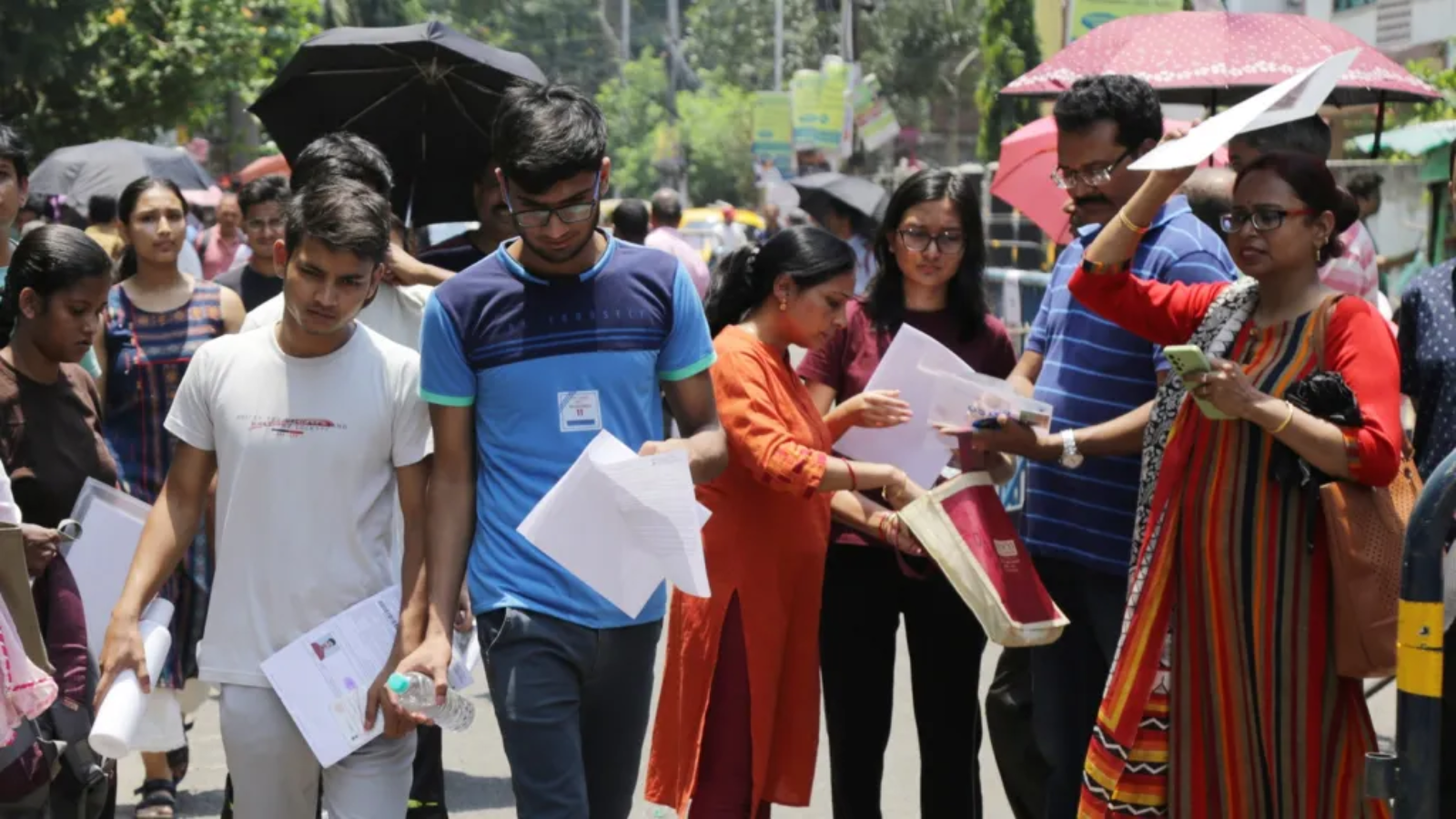
Ahead of the NEET PG 2026 examination, the Union Health and Family Welfare Minister reviewed preparations and introduced measures aimed at improving candidate convenience and examination integrity. These changes include logistical adjustments, a revised exam pattern, and strengthened authentication protocols, impacting over 2.73 lakh applicants.
Imagine a big test for kids who want to become doctors. This year, it's going to be held at the same time for everyone, and they get to pick their favorite city to take it in. Plus, there are fewer questions, so they have more time to think about each one, like having extra time to solve a tricky puzzle. And to make sure it's really them taking the test, they'll use a special ID card, like a super-secure fingerprint check, so no one can pretend to be someone else.
Analysis
Streamlining Logistics and Candidate Convenience
The Ministry of Health's announcement for NEET PG 2026 marks a significant shift towards improving the examination experience for aspiring medical postgraduates. A key reform is the decision to conduct the exam in a single shift across the country. This move is expected to standardize the testing environment, reduce logistical complexities for both candidates and administrators, and potentially mitigate issues related to varying difficulty levels across multiple shifts.
Furthermore, candidates will now have the flexibility to choose up to three preferred test cities along with their corresponding states. This expanded choice, a major relief for many, aims to reduce travel burdens and accommodation stress, allowing candidates to focus more on their preparation rather than logistical worries. The early issuance of test-city intimation slips, approximately three weeks prior to the exam, further supports this goal by providing ample time for planning.
Revised Exam Pattern and Enhanced Time Management
Another substantial change is the revision of the NEET PG exam pattern, specifically the reduction in the total number of questions from 200 to 180. Crucially, the total examination time remains unchanged at three hours and 30 minutes (210 minutes). This adjustment directly translates to more time available for candidates to answer each question, potentially allowing for more thoughtful consideration and reducing the intense time pressure often associated with high-stakes examinations.
The intent behind this revision is to give candidates a better opportunity to demonstrate their knowledge and analytical skills without being unduly rushed. While the content and syllabus are expected to remain comprehensive, the altered question-to-time ratio could lead to a more equitable assessment experience. This change reflects an understanding of the psychological and practical challenges faced by candidates during such lengthy and demanding tests.
Bolstering Security with Aadhaar Authentication
To fortify the integrity and security of the examination process, Aadhaar-based authentication has been made mandatory for NEET PG 2026. This robust measure will be implemented during both the application submission phase and on the actual day of the examination. The primary objective is to prevent impersonation and ensure that only genuine candidates appear for the test, thereby upholding the fairness and credibility of the selection process.
In a proactive step to address potential technical issues, the ministry has also stipulated that in cases where fingerprint authentication proves unsuccessful, iris-based biometric verification will be utilized as a fallback. This dual-layer biometric approach significantly enhances the security protocols, making it much harder for fraudulent activities to occur. The increased registration numbers, with over 2.73 lakh applicants, underscore the importance of these stringent security measures in maintaining public trust in the examination system.
Key points
- NEET PG 2026 will be conducted in a single shift nationwide.
- The number of questions has been reduced from 200 to 180, while the exam duration remains 3 hours 30 minutes.
- Candidates can now choose up to three preferred test cities and states.
- Aadhaar-based authentication is mandatory for both application and exam day.
- Iris-based biometric verification will be used if fingerprint authentication fails.
The reforms are expected to significantly enhance candidate convenience and reduce stress by offering more test city choices and a single examination shift, leading to a more uniform experience. The revised exam pattern, with fewer questions but the same time, should allow aspirants to approach the test with greater focus and potentially improve performance and accuracy.
While Aadhaar authentication aims to boost security, potential technical glitches or issues with biometric verification on exam day could cause delays and anxiety for candidates. The increased reliance on digital identification might also pose challenges for those without readily updated Aadhaar details or in remote areas, potentially creating hurdles for some applicants.