“Neither Arab nor Muslim: Algerian and Rebellious” – Kateb Yacine Recounted by Marcel Péju in 1987
This article revisits a 1987 piece by Marcel Péju for Jeune Afrique, marking Algerian writer Kateb Yacine's return to the literary scene after a fifteen-year hiatus.
Intelligence analysis by Gemini 2.5 Flash
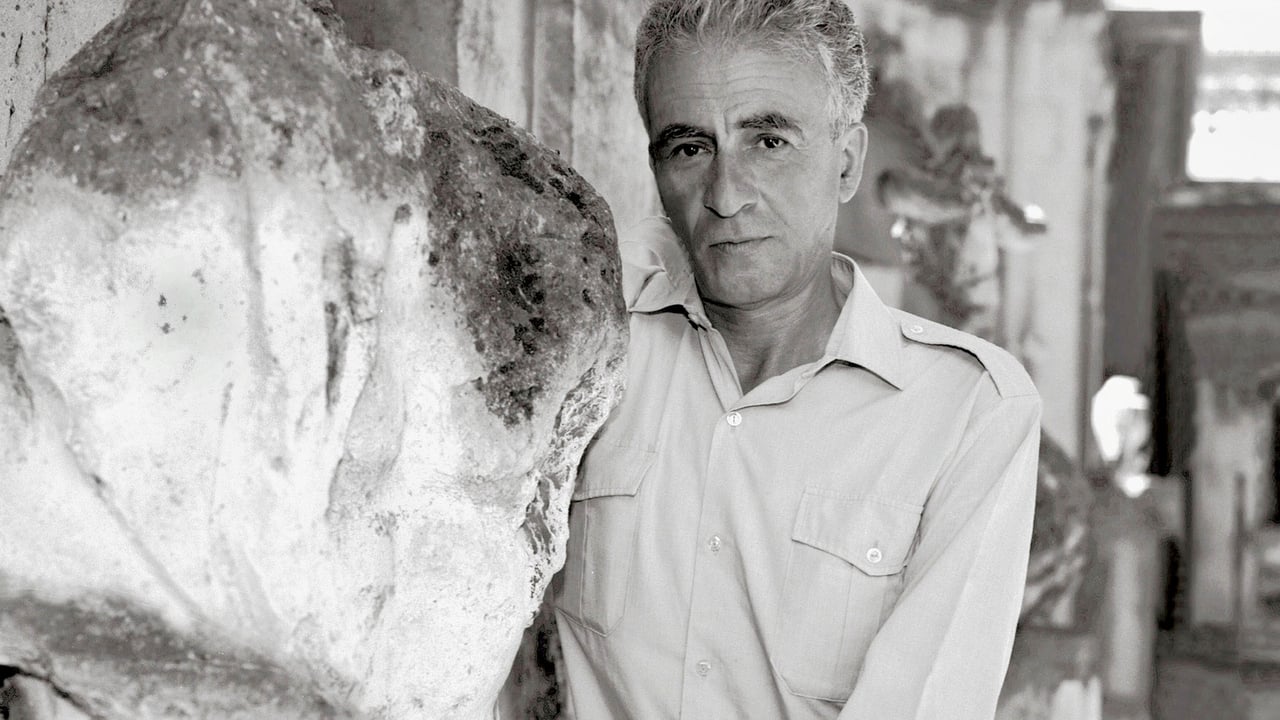
The piece, originally published in 1987, offers a personal account of the enigmatic Algerian writer and director Kateb Yacine by journalist Marcel Péju, who knew him well. It highlights Yacine's complex identity, famously described as "Neither Arab nor Muslim: Algerian and rebellious," as he re-engaged with the literary world.
Imagine a famous Algerian writer named Kateb Yacine, who was known for being a bit of a rebel and didn't like to be put into simple boxes like "Arab" or "Muslim"; he just said he was "Algerian and rebellious." After not writing much for 15 years, he came back with new stories. A journalist named Marcel Péju, who knew him really well, wrote a special article about him, helping everyone understand this unique and important person better.
Analysis
Kateb Yacine's Enduring Enigma
Kateb Yacine remains a figure of profound complexity and rebellion within Algerian and broader Francophone literature. The article's title, "Neither Arab nor Muslim: Algerian and rebellious," encapsulates a core aspect of his identity and intellectual stance. This framing suggests a deliberate rejection of simplistic or singular categorizations, advocating for a multifaceted Algerian identity that transcends conventional ethnic or religious labels. Yacine's work often explored themes of colonialism, post-colonial disillusionment, and the search for an authentic Algerian voice, frequently challenging the dominant narratives of his time.
His declaration of being "Algerian and rebellious" speaks to a deep-seated commitment to a national identity rooted in resistance and critical thought, rather than adherence to prescribed cultural or religious norms. This perspective was particularly significant in the post-independence era, where debates over national identity, language, and cultural heritage were intense. Yacine's refusal to be easily defined made him a challenging, yet profoundly influential, voice for many who sought a more nuanced understanding of Algerianness.
A Significant Literary Return
The 1987 article by Marcel Péju marked Kateb Yacine's return to the literary world after a notable fifteen-year period of silence. This hiatus itself is significant, hinting at a period of introspection, disillusionment, or perhaps a shift in his creative focus. His re-emergence would have been a major event for the Algerian and international literary communities, signaling a renewed engagement with public discourse through his art.
Such a return would have reignited discussions about his past works, his political views, and his continued relevance in a changing world. For a writer of Yacine's stature, a fifteen-year absence would have built considerable anticipation, making Péju's personal account all the more valuable. It offered a contemporary lens through which to understand a writer whose influence had only grown during his period of public quietude.
Marcel Péju's Unique Perspective
Marcel Péju's authorship of the 1987 piece adds a crucial layer of insight, given his close relationship with Kateb Yacine and his own distinguished background. Péju, a journalist for Jeune Afrique, had previously served as Jean-Paul Sartre's secretary-general at the influential review "Les Temps modernes." This connection places Péju within a significant intellectual tradition, suggesting a capacity for deep analytical engagement with complex literary and philosophical figures.
His personal acquaintance with Yacine allowed him to offer a "very personal text," moving beyond mere biographical facts to capture the essence of the writer's character and intellectual spirit. This intimate perspective would have provided readers with a rare glimpse into Yacine's inner world, his motivations, and the nuances of his rebellious identity, making the article a valuable historical document for understanding one of Algeria's most important literary voices.
Key points
- The article is a re-publication of a 1987 piece by Marcel Péju in Jeune Afrique.
- It focuses on Algerian writer and director Kateb Yacine's return to the literary scene after 15 years of silence.
- Yacine is characterized by his statement: "Neither Arab nor Muslim: Algerian and rebellious."
- Marcel Péju, a journalist for Jeune Afrique, had a personal connection to Yacine and was previously Jean-Paul Sartre's secretary-general at 'Les Temps modernes'.
- The original text aimed to provide a very personal account of Kateb Yacine.
The re-publication of Marcel Péju's 1987 article on Kateb Yacine ensures that his complex identity and significant literary contributions continue to be explored and understood by new generations, fostering a deeper appreciation for diverse perspectives within Algerian culture.
Despite the re-publication, the paywall limits access to the full original text, potentially hindering a comprehensive understanding of Péju's nuanced insights into Kateb Yacine's character and the specific context of his literary return.