Nepal flash flood rescue efforts intensify as death toll rises
Rescuers are working to save survivors of catastrophic flash floods in Nepal and China, which have killed over 470 people and left more than 1,500 missing. Fears of further flooding persist due to a potential dam burst and an overflowing barrier lake.
Intelligence analysis by Gemini 2.5 Flash Lite
Catastrophic flash floods in Nepal and China have resulted in hundreds of deaths and thousands missing. Rescue efforts are underway, but concerns about further flooding from a potential dam burst and an overflowing barrier lake in Tibet are complicating the situation and keeping rescue personnel on high alert.
Imagine a giant pile of rocks and ice high in the mountains suddenly fell down, like a huge landslide. This big mess blocked a river, making a giant lake behind it. When the lake got too full, it burst, sending a massive wave of water and mud rushing down, destroying everything in its path, like houses and bridges, in Nepal and China.
Analysis
Himalayan Collapse
Scientists studying satellite imagery have identified the root cause of the devastating flash floods as a significant bedrock collapse beneath a glacier high in the Himalayas. This geological event, powerful enough to register a magnitude 5.2 seismic measurement, triggered a massive rockfall that descended into the valleys below. The sheer volume of displaced rock and the subsequent melting of glacial ice combined to create a torrent of water that overwhelmed rivers, sweeping away buildings, bridges, and vast swathes of land in both Tibet and Nepal. This chain reaction underscores the precarious balance of the Himalayan ecosystem and its susceptibility to sudden, catastrophic shifts.
Cross-Border Crisis
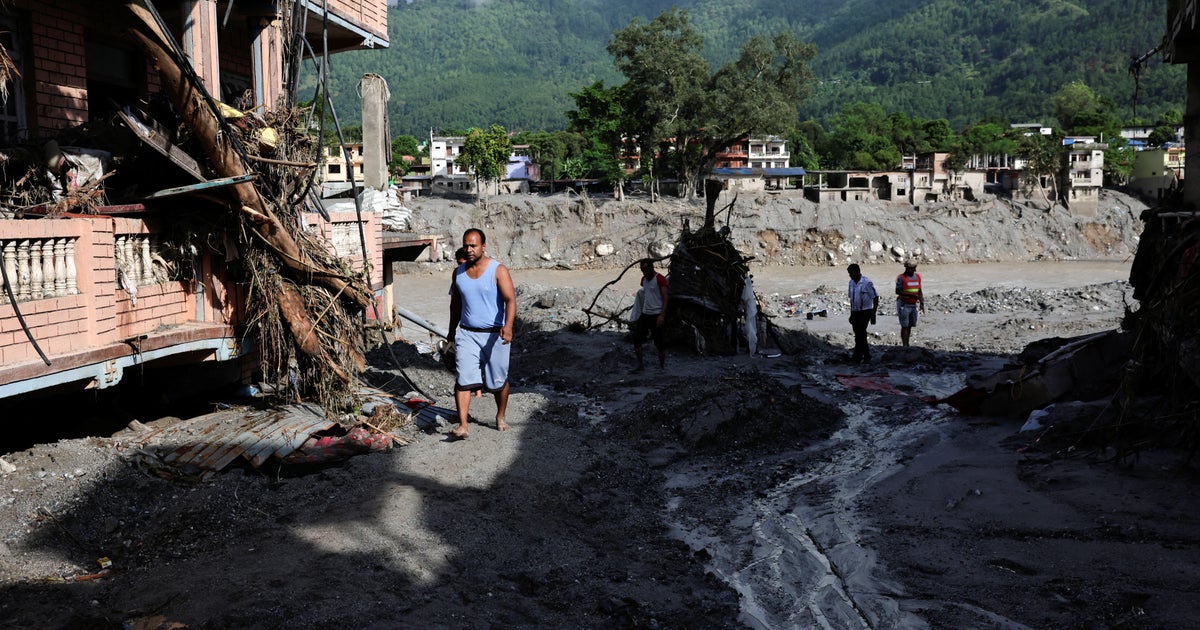
The floods have created a dual crisis for Nepal and China, with rescue and relief efforts intensifying on both sides of the border. Nepal has reported 469 deaths and over 977 missing, with helicopters actively evacuating stranded individuals. In China, the death toll has risen to five, with 558 reported missing. The situation is particularly concerning for the hundreds of foreigners, including at least 65 Americans, who were in the region for work, trekking, or religious pilgrimages. The rescue operations are further complicated by the potential for additional flooding, stemming from a barrier lake formed by debris from the initial floods in Tibet. Authorities have issued warnings about a possible dam burst on the Tibetan side, placing security personnel and rescue teams on high alert and urging evacuations from at-risk areas.
Hydropower Project Peril
One of the most challenging rescue operations is underway at the Upper Trishuli-1 Hydropower Project in Rasuwa, Nepal, where individuals are reportedly trapped inside a tunnel. The extensive mud and debris have made it incredibly difficult for Nepali Army rescuers to locate entry and exit points, with the primary focus being on extracting survivors. This specific incident highlights the immediate dangers faced by workers in critical infrastructure projects during such natural disasters. The town of Timure, a once-vibrant hub near the China border, has been devastated, with a customs officer recounting the event as a "tsunami" that swept away buildings and left many of his colleagues missing, illustrating the widespread destruction and the profound human cost of the floods.
Key points
- Catastrophic flash floods in Nepal and China have killed over 470 people and left more than 1,500 missing.
- Rescue efforts are underway, but complicated by fears of further flooding from a potential dam burst and an overflowing barrier lake in Tibet.
- Hundreds of foreign nationals are among the missing, with at least 65 Americans unaccounted for.
- A significant bedrock collapse beneath a Himalayan glacier is identified as the cause of the initial rockfall and subsequent flooding.
- Rescue operations are particularly challenging at a hydropower project where individuals are trapped in a mud-filled tunnel.
Despite the immense challenges, the ongoing rescue efforts demonstrate a strong commitment from both Nepal and China to save lives and provide aid. The international community, including the U.S., is actively tracking the situation and assisting in rescue operations, which could lead to more foreign nationals being safely recovered. Continued international cooperation may also bolster long-term recovery and infrastructure rebuilding efforts in the affected regions.
The persistent threat of further flooding from the overflowing barrier lake and the potential dam burst in Tibet poses a significant risk to ongoing rescue operations and the safety of remaining populations. The sheer scale of destruction, including the loss of infrastructure and the difficulty in accessing trapped individuals, suggests that the recovery process will be long and arduous, with the possibility of a higher final death toll.