Nepal-Tibet flash flood: rescue operations resume after halting over lake overflow; death toll rises to 469 – latest updates
Rescue operations have resumed in Nepal after a temporary halt due to an overflowing barrier lake. The death toll from the flash floods on the Nepal-Tibet border has risen to 469, with 1,500 people still missing.
Intelligence analysis by Gemini 2.5 Flash Lite
A devastating flash flood event straddling the Nepal-Tibet border has resulted in a significant loss of life and a large number of missing persons. Rescue efforts have been complicated by the formation and subsequent overflow of a barrier lake, temporarily suspending operations. The situation remains critical as authorities race against time to find survivors.
Imagine a giant bathtub overflowing after a big rockslide blocked the drain. This caused a huge flood downstream, hurting many people and homes. Rescuers had to stop for a bit because the water was still too dangerous, but now they are back trying to find everyone who is lost.
Analysis
Barrier Lake Formation
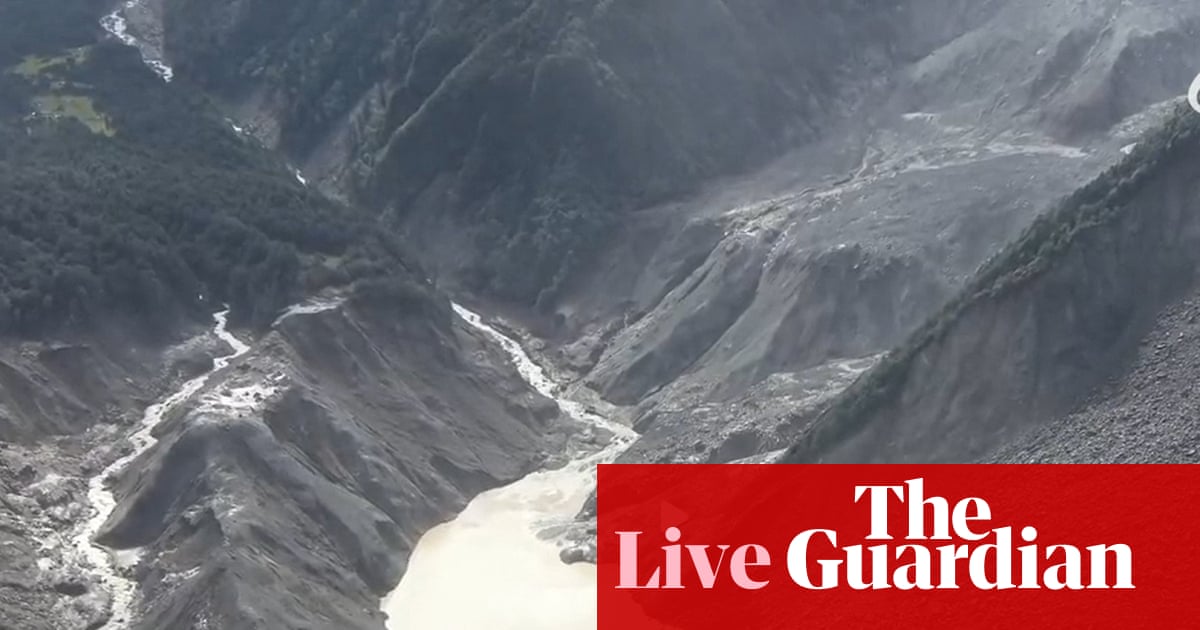
The recent flash floods in the Nepal-Tibet region were exacerbated by the formation of a significant barrier lake. This lake emerged following a landslide that occurred near the confluence of Nepal's Chhochen Khola River and Tibet's Purepu Tsangpo River in Gyirong county. The uncontrolled accumulation of water behind this natural dam posed a severe threat of further destruction, leading Nepalese authorities to warn of its potential burst. The situation was so precarious that helicopter rescue operations in Nepal had to be halted for a period, creating a critical pause in the search for survivors amidst fears of escalating danger. Chinese state media reported that the risks associated with the lake were "gradually decreasing" as water began to flow out naturally, with outflow exceeding inflow, and the water level dropping significantly. However, the initial threat from this lake formation directly impacted the immediate response efforts.
Rescue Operations and Missing Persons
As of Friday, the death toll in Nepal had climbed to 469, with an alarming 1,500 people still unaccounted for. The race to find survivors is intense, with the Nepal army attempting to rescue approximately 100 individuals trapped in a hydropower tunnel. The scale of the disaster is immense, affecting remote trekking routes like the Langtang trek, where an Australian woman, Cara Severino, was among those initially reported missing. She has since made contact with her family, confirming her safety after being stranded and unable to communicate due to a flat phone battery and lack of reception. Her journey to safety involves a significant trek on foot to Kathmandu, highlighting the logistical challenges in reaching affected areas. The sheer number of missing persons underscores the devastating impact of the floods and the ongoing efforts to ascertain the full extent of the tragedy.
International Assistance and Disaster Preparedness
Despite offers of assistance from several countries with nationals missing in the disaster, Nepal's foreign ministry stated on Friday that the country does not require foreign aid for its search-and-rescue operations. The ministry affirmed that national agencies are managing the rescue efforts effectively. This stance suggests a confidence in domestic capabilities, though the scale of the disaster may test these resources. The event serves as a stark reminder of the increasing risks posed by climate change and geological instability in the Himalayan region. Flash floods and landslides, often triggered by heavy rainfall and glacial melt, are becoming more frequent and severe, necessitating robust disaster preparedness strategies, early warning systems, and potentially, international collaboration on long-term mitigation efforts.
Key points
- Rescue operations have resumed in Nepal after a temporary halt due to an overflowing barrier lake.
- The death toll from the flash floods on the Nepal-Tibet border has risen to 469, with 1,500 people still missing.
- A barrier lake formed by a landslide near Gyirong county was a major concern, temporarily suspending rescue efforts.
- Chinese state media reports the risks from the barrier lake are decreasing as water levels drop.
- Nepal's foreign ministry stated that the country does not require foreign assistance for search-and-rescue operations.
The resumption of rescue operations offers hope for finding more survivors. As the risks from the barrier lake decrease, search efforts can intensify, potentially leading to more people being accounted for. The confirmation of missing individuals being safe, like the Australian hiker, provides a positive narrative amidst the tragedy.
The high number of missing persons (1,500) and the ongoing rescue challenges, including those trapped in tunnels, suggest the death toll could still rise significantly. The potential for further geological instability in the region remains a concern, threatening future recovery and reconstruction efforts.