Nepal-Tibet floods: rescuers work through night at hydropower tunnel as number of missing climbs to almost 3,000 – latest updates
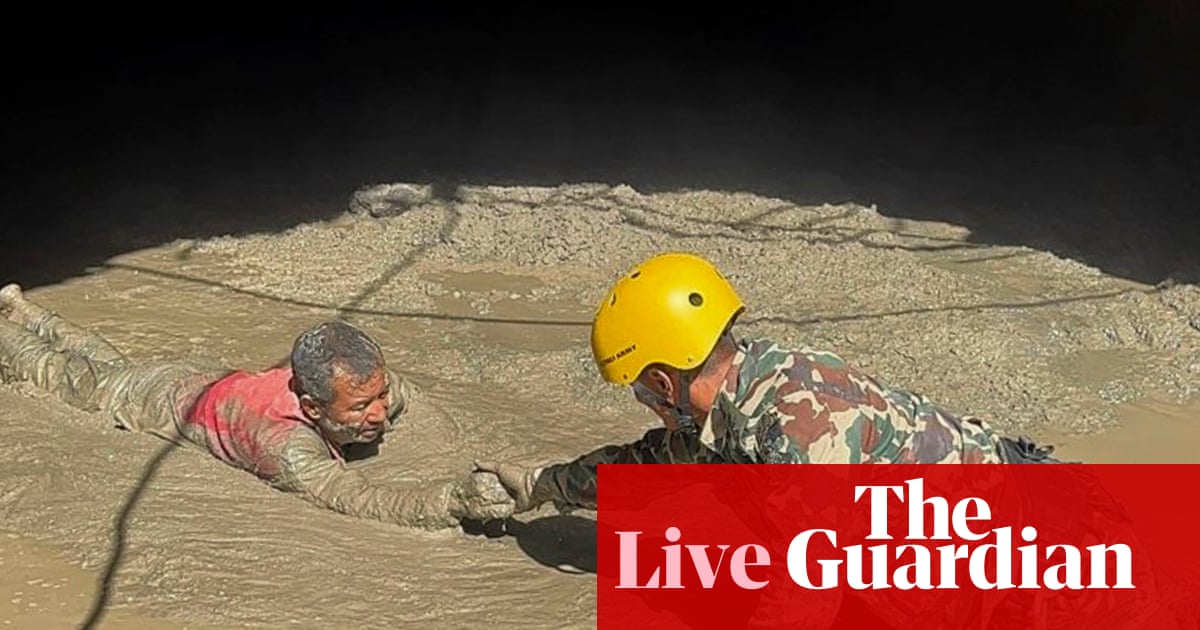
Rescuers are intensifying efforts at a hydropower tunnel in Nepal, where people are believed to be trapped, as the death toll from flash floods rises to 626 and nearly 3,000 remain missing across Nepal and Tibet.
Intelligence analysis by Gemini 2.5 Flash
Flash floods have devastated parts of Nepal and Tibet, leading to a significant loss of life and thousands missing. Rescue operations are ongoing, particularly at a mud-filled hydropower tunnel in Nepal, while geopolitical complexities surrounding China's control over Tibet are hindering information sharing crucial for disaster preparedness and response in downstream Nepal.
Imagine a huge amount of water suddenly rushing down mountains in Nepal and Tibet, like a giant, muddy river. This flood has swept away homes and sadly, many people have died or are missing. Brave rescuers are digging through thick mud in a tunnel where some people might be stuck, but bad weather makes it very hard. It's also tricky because one country, China, keeps a lot of information secret about the mountains in Tibet, which makes it harder for Nepal to know when floods might happen.
Analysis
The devastating flash floods impacting Nepal and Tibet have escalated into a major humanitarian crisis, with rescue efforts facing immense challenges. The immediate focus remains on locating survivors and recovering bodies, but the long-term implications of such disasters, particularly concerning regional cooperation and climate change, are significant.
Rasuwa
In Rasuwa, Nepal, a critical rescue operation is underway at a hydropower tunnel believed to be holding trapped individuals. The Nepalese army and police have deployed a team of 82 personnel, working continuously through the night to excavate the mud-filled entrance. This arduous task is further complicated by persistently adverse weather conditions, which hinder progress and endanger rescuers. While two individuals were dramatically pulled from the mud yesterday, the exact number of people still trapped inside the tunnel remains unclear, underscoring the uncertainty and difficulty of the mission.
Dibyesh Anand
Professor Dibyesh Anand's analysis highlights a significant geopolitical hurdle in managing such cross-border disasters: China's tight control over Tibet. Anand, a professor of international relations, argues that Beijing's administration of Tibet as a militarized frontier creates an 'information black hole.' This secrecy means Nepal lacks real-time glacial and hydrological data from the Tibetan plateau, which is crucial for anticipating and preparing for sudden floods. The system, built for control rather than speed, impedes quick cross-border rescue efforts and warning dissemination, making communities downstream in Nepal more vulnerable to events originating in Tibet.
626
The human toll of the floods is staggering, with the confirmed death toll reaching 626, including seven in Tibet, and the number of missing climbing to almost 3,000. This rising figure underscores the scale of the catastrophe and the immense grief experienced by survivors who have lost relatives and homes. The widespread destruction and loss of life necessitate extensive international aid and coordinated recovery efforts. The challenges of identifying and storing the dead, as Nepal seeks assistance, further illustrate the overwhelming impact on local infrastructure and resources, pointing to a prolonged period of recovery and rebuilding for the affected communities.
Key points
- Rescuers are working through the night at a mud-filled hydropower tunnel in Rasuwa, Nepal, where people are believed to be trapped.
- The death toll from the flash floods has risen to 626, with seven confirmed deaths in Tibet.
- The number of missing individuals has climbed to almost 3,000 across Nepal and Tibet.
- China's tight control over Tibet and its information, including hydrological data, complicates Nepal's disaster preparedness and response.
- Adverse weather conditions are making search and rescue operations extremely challenging.
Despite the severe challenges, rescue efforts are being intensified, with the Nepalese army and police working tirelessly through adverse weather conditions. The successful rescue of two individuals from the hydropower tunnel offers a glimmer of hope that more survivors may still be found, demonstrating the dedication of the emergency response teams.
The persistently adverse weather conditions pose a significant risk, potentially hindering rescue operations and increasing the danger for personnel. The rising number of missing, now almost 3,000, suggests a high likelihood of the death toll climbing further, while the geopolitical complexities surrounding information sharing from Tibet could impede future disaster preparedness.