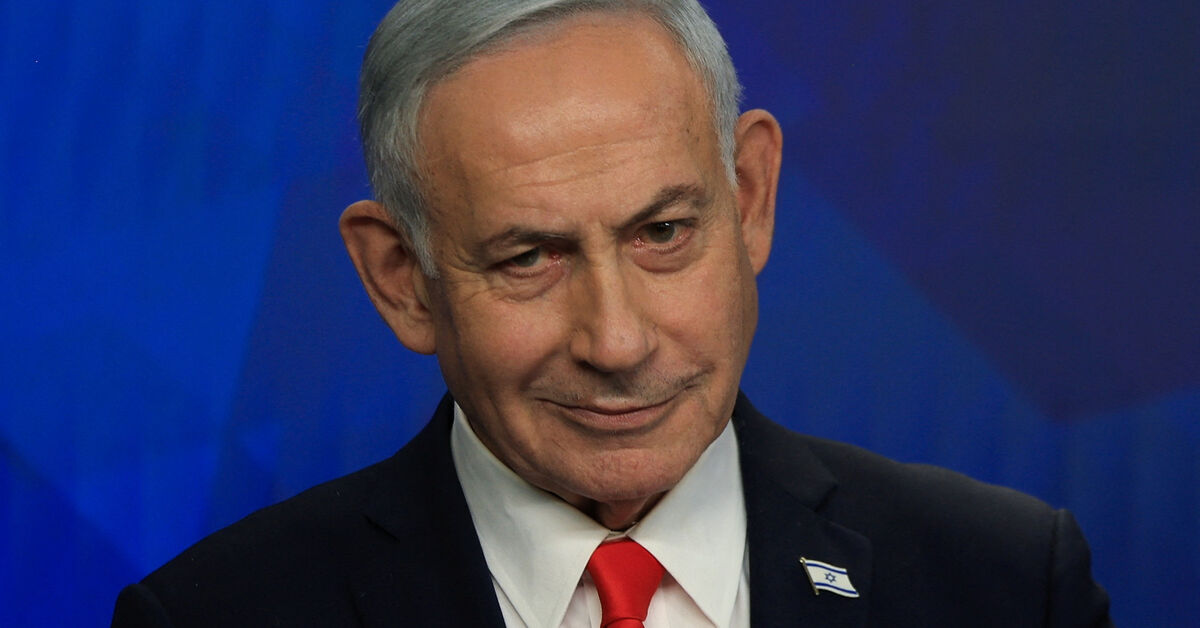
Netanyahu to run for re-election, his party says, after Trump raises doubts
Netanyahu's party says he will seek re-election this year after Trump questioned whether he would run. The vote must be held by October.
Intelligence analysis by GPT-5.4 Mini
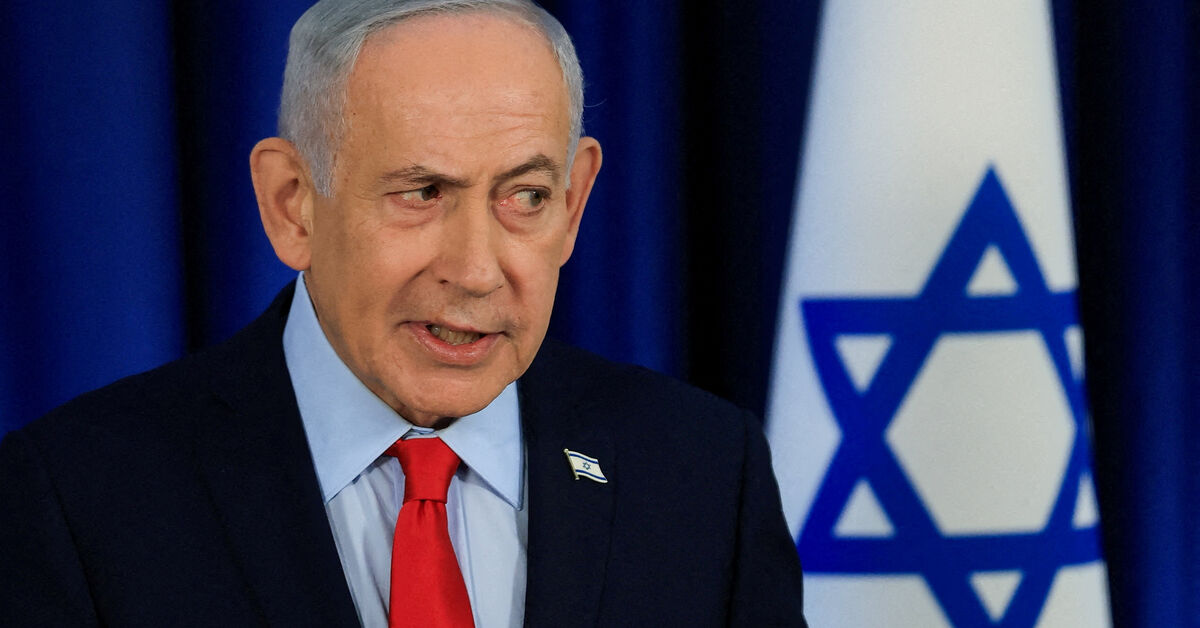
Likud says Benjamin Netanyahu will run again, ending uncertainty after Trump said he was unsure whether the Israeli leader would stand. The announcement comes as polls show his coalition struggling and public opposition to another Netanyahu run remains high.
Netanyahu’s party says he wants to run for leader again, even though many people in Israel do not want that. It is like a coach saying, “I’m staying in the game,” while the crowd and the scoreboard both look shaky.
Analysis
What happened
Benjamin Netanyahu’s Likud Party said he will run in Israel’s next election, after U.S. President Donald Trump publicly cast doubt on whether the prime minister would stand again. The election has not been formally announced, but it must be held by October.
The political backdrop
This will be Israel’s first election since the October 7, 2023 Hamas attack, which the article calls the country’s worst security failure and the trigger for the war in Gaza. Netanyahu has governed since returning to power in December 2022 at the head of what the article describes as the most right-wing coalition in Israeli history. His time in office has been marked by mass anti-government protests and wars in Gaza, Lebanon and Iran.
Polls in the article point to a difficult race. Repeated surveys have suggested his bloc would not win a majority, and a June 9 poll from the Israel Democracy Institute said 61% of Israelis think he should not run. At the same time, opposition parties also appear short of a majority unless they partner with Arab parties, a step some of their leaders have rejected.
U.S.-Israel angle
The story also highlights a mixed Trump-Netanyahu relationship. Officials say the two remain close, even after recent strain over Trump’s push for Israel to reduce military action in Lebanon while Washington works on a peace deal with Tehran. Trump also repeated support for pardoning Netanyahu over corruption charges that Netanyahu denies.
The announcement does not resolve the election’s outcome, but it confirms Netanyahu intends to fight on despite weak polling and growing public fatigue.
Key points
- Likud says Benjamin Netanyahu will seek re-election this year.
- Trump publicly questioned whether Netanyahu would run again.
- The election must be held by October and would be Israel’s first since the October 7, 2023 Hamas attack.
- Polls cited in the article show Netanyahu’s coalition struggling, while most Israelis in one poll said he should not run.
- Trump and Netanyahu remain close, but recent disagreements have added strain.
If Netanyahu wins, it would give him a fresh mandate and remove doubt about who leads Israel into the next phase after the wars. His close relationship with Trump could also help keep U.S.-Israel coordination intact despite recent strains.
If the polls hold, Netanyahu’s bloc could again fall short of a majority, making it hard to form a government. The tensions noted in the article, including disputes over Lebanon policy and corruption charges, could deepen if the campaign becomes more confrontational.