Nevada Allows Uber, Tesla And Waymo To Start Paid Robotaxi Service
Nevada has given Uber, Tesla, and Waymo permission to offer paid robotaxi rides in Clark County, including Las Vegas. The companies can deploy up to 5,000 robotaxis over the next 12 months.
Intelligence analysis by Llama
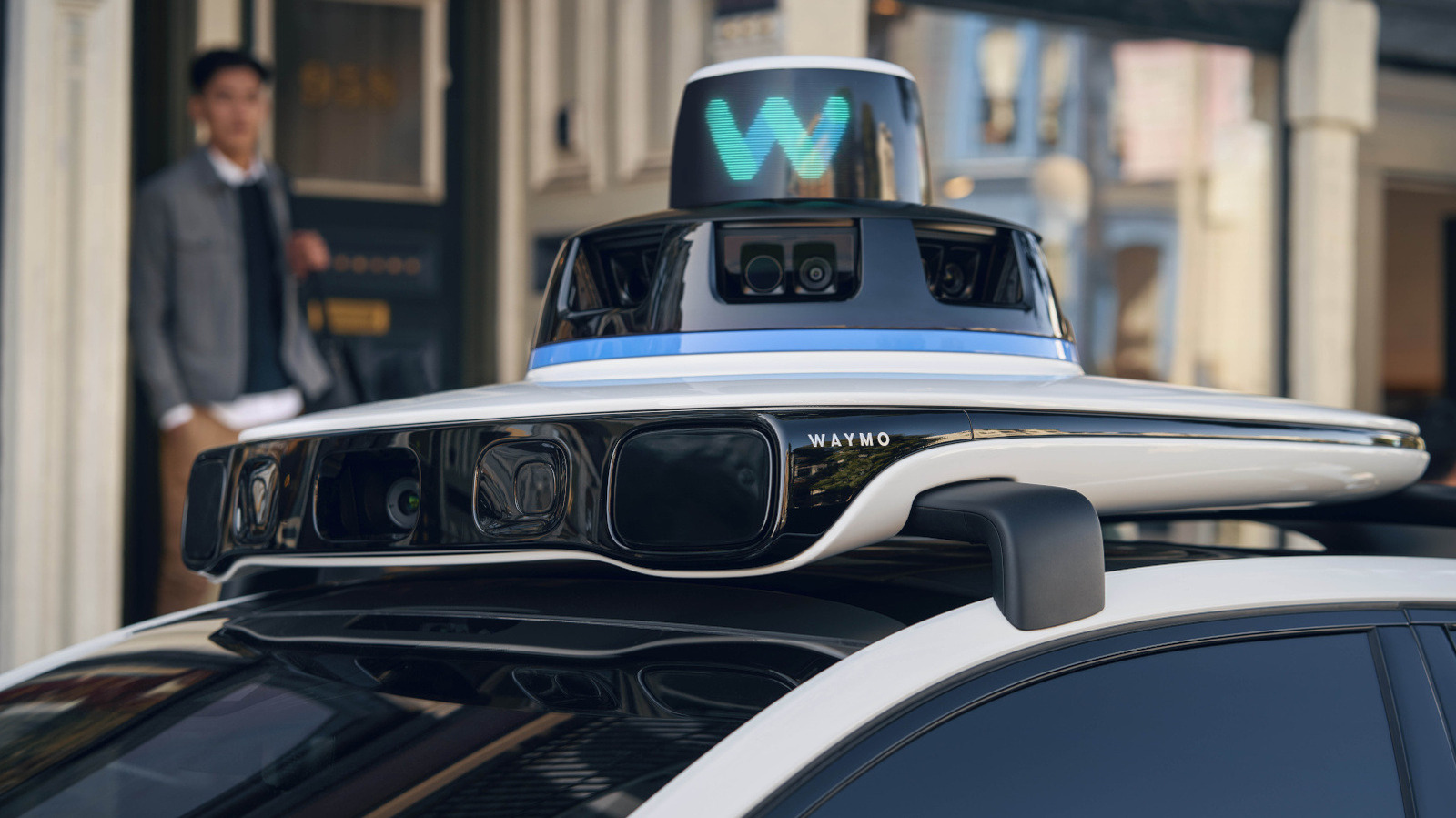
Nevada has approved Uber, Tesla, and Waymo's applications to offer paid robotaxi rides in Clark County. The companies can deploy up to 5,000 robotaxis over the next year.
Imagine a taxi that drives itself, without a human behind the wheel. That's what robotaxis are. Nevada has just allowed three companies, Uber, Tesla, and Waymo, to start offering paid robotaxi rides in Las Vegas. This means that you'll be able to hop in a taxi and go wherever you want, without a human driver. It's like having your own personal driver, but without the cost of hiring a human.
Analysis
Robotaxi Expansion in Nevada
Nevada has taken a major step towards embracing autonomous vehicles by allowing Uber, Tesla, and Waymo to offer paid robotaxi rides in Clark County. This move has significant implications for the future of transportation and could pave the way for widespread adoption of robotaxis.
The Nevada Transportation Authority has approved the companies' applications for an Autonomous Vehicle Network Company permit, which gives them the authority to operate paid robotaxis in the region. Tesla's permit reportedly allows it to operate across the entire state, provided it notifies the agency that it's expanding its coverage. The company has stated that it would be 'extremely happy' if it could get 2,500 robotaxis on the streets of Nevada by 2027.
Waymo has also received permission to deploy 1,000 robotaxis in the region over the next year. The company had previously been allowed to operate in Las Vegas with human riders, but with this new permit, it can now charge for its rides. Uber has also been approved to deploy 1,000 robotaxis in Clark County, which it will operate with Amazon's Zoox and Hyundai's Motional.
The expansion of robotaxis in Nevada is a significant development for the industry. It marks a major step towards widespread adoption of autonomous vehicles and could have significant implications for the future of transportation. As the technology continues to evolve, it's likely that we'll see more states and cities embracing robotaxis as a viable transportation option.
Regulatory Framework
The regulatory framework surrounding robotaxis is still evolving. Nevada's approval of the companies' applications is a significant step towards establishing a clear regulatory framework for the industry. However, there are still many questions surrounding the regulatory framework, including how robotaxis will be integrated into existing transportation systems and how they will be taxed.
Public Safety
One of the major concerns surrounding robotaxis is public safety. The companies have stated that they are working with law enforcement to develop a five-minute step-by-step video for first responders to follow in the event of an emergency involving one of their autonomous vehicles. However, there are still many questions surrounding the safety of robotaxis and how they will be integrated into existing emergency response systems.
Conclusion
The expansion of robotaxis in Nevada is a significant development for the industry. It marks a major step towards widespread adoption of autonomous vehicles and could have significant implications for the future of transportation. As the technology continues to evolve, it's likely that we'll see more states and cities embracing robotaxis as a viable transportation option.
Key points
- Nevada has given Uber, Tesla, and Waymo permission to offer paid robotaxi rides in Clark County.
- The companies can deploy up to 5,000 robotaxis over the next 12 months.
- Tesla's permit allows it to operate across the entire state, provided it notifies the agency that it's expanding its coverage.
- Waymo has received permission to deploy 1,000 robotaxis in the region over the next year.
- Uber has also been approved to deploy 1,000 robotaxis in Clark County.
If this development plays out positively, we could see widespread adoption of robotaxis across the country. This could lead to increased safety on the roads, as human error is a major cause of accidents. Additionally, robotaxis could provide a more efficient and cost-effective transportation option for many people.
However, there are still many concerns surrounding the safety of robotaxis. If something goes wrong, it could be difficult for first responders to know how to respond. Additionally, there are still many questions surrounding the regulatory framework surrounding robotaxis, which could lead to delays and complications.