NEVO Is Next: Master Changan Continues Bringing Changan’s Global House of Brands to Pakistan
Master Changan Motors Limited is preparing to introduce CHANGAN NEVO in Pakistan, marking the next major step in bringing Changan’s Global House of Brands to the local market. NEVO is Changan’s mass new-energy brand, designed to make advanced electrification more accessib…
Intelligence analysis by Llama
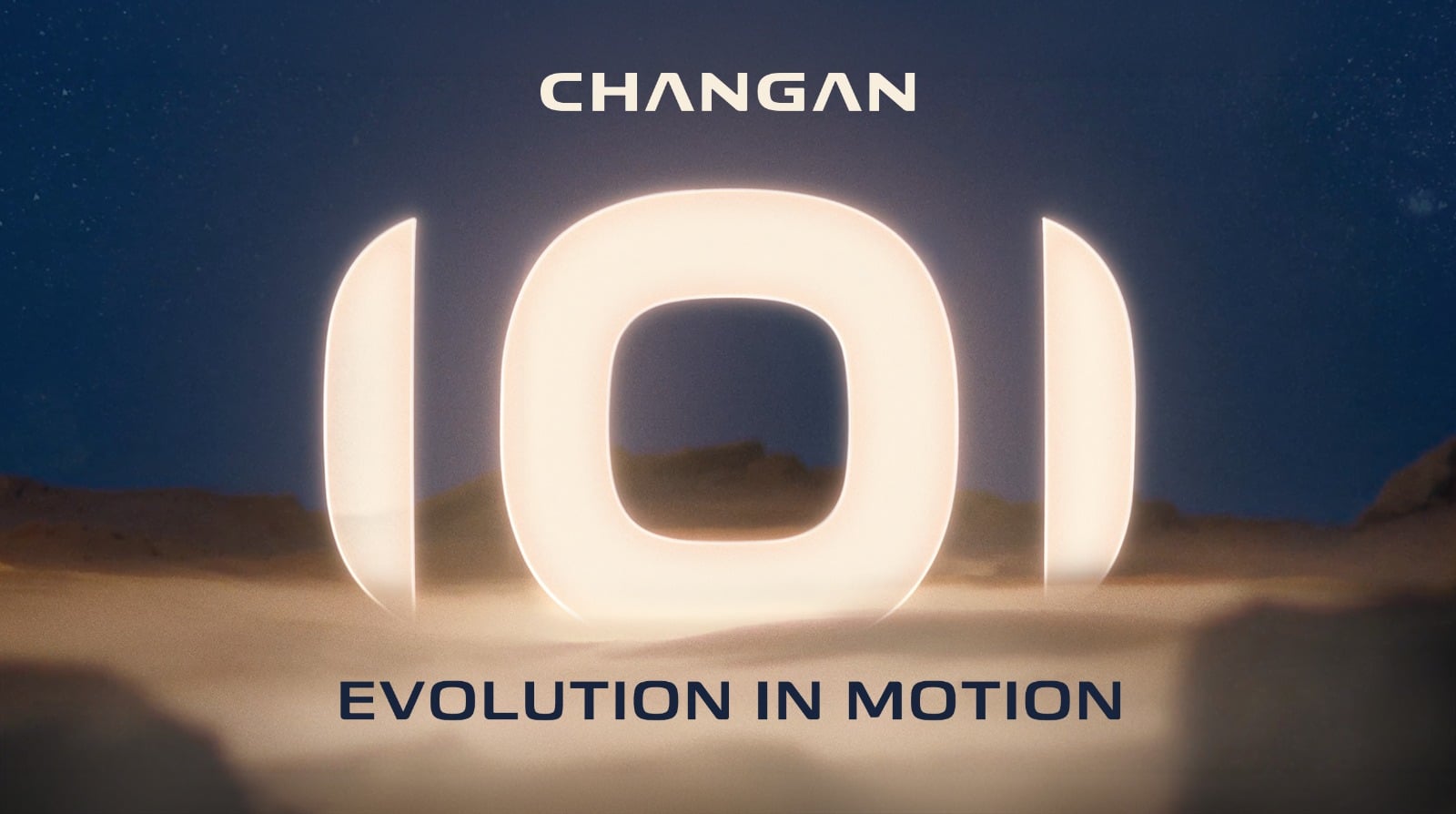
Master Changan is bringing Changan’s Global House of Brands to Pakistan through four distinct passenger-vehicle brands: CHANGAN, NEVO, DEEPAL, and AVATR. NEVO is a mass new-energy brand that will introduce five models over the next three years across Sedan, SUV, and Pickup Truck segments.
Imagine you have a car that runs on electricity, but you can also use gasoline to charge it when you need to. This is what NEVO is – a car that makes it easy for people to use electricity to move around, but also has a backup plan in case they need to use gasoline.
Analysis
Master Changan’s Ambition in Pakistan
Master Changan Motors Limited, Pakistan’s No.1 new entrant and leading Chinese automotive brand, is preparing to introduce CHANGAN NEVO in Pakistan—marking the next major step in bringing Changan’s Global House of Brands to the local market. The announcement builds on Master Changan’s rapid rise in Pakistan. In 2025, the company became the country’s fourth-largest automobile brand, with more than 75,000 vehicles on the road.
Changan’s Global House of Brands
Master Changan is now bringing this architecture to Pakistan through four distinct passenger-vehicle brands: CHANGAN — Trusted mainstream mobility that combines quality, technology and value for everyday progress. NEVO — Intelligent new-energy mobility designed to make electrification accessible to the mainstream. DEEPAL — Progressive premium new-energy mobility created for a generation ready to embrace the future. AVATR — Intelligent luxury where expressive design, advanced technology and human emotion come together.
NEVO in Pakistan
With the introduction of NEVO, that promise is now moving closer to reality. Created by Changan for the era of digital intelligent mobility, NEVO is Changan’s mass new-energy brand. It is designed to make advanced electrification more accessible and relevant to everyday customers rather than limiting it to a premium or niche audience. Across its global portfolio, NEVO offers intelligent sedans, SUVs and lifestyle vehicles through Battery-Electric and Range-Extended electric powertrains. Introduced in 2023, NEVO comes with powerful momentum. It has cumulative sales of more than 600,000 vehicles in just three years, with three key models ranking among the top three in their respective segments.
Changan’s Ambition for NEVO
Changan has set an ambition for NEVO to reach annual sales of 1.5 million vehicles by 2030 globally, positioning it as an important pillar of the Group’s new-energy future. Speaking on the occasion, Mr. Danial Malik, Chief Executive Officer Master Changan Motors Limited, said: “NEVO is our commitment to bring mass electrification to Pakistan by making intelligent new-energy mobility progressive, practical and accessible at scale.”
Key points
- Master Changan is introducing CHANGAN NEVO in Pakistan, marking the next major step in bringing Changan’s Global House of Brands to the local market.
- NEVO is Changan’s mass new-energy brand, designed to make advanced electrification more accessible and relevant to everyday customers.
- NEVO will introduce five models over the next three years across Sedan, SUV, and Pickup Truck segments.
- Changan has set an ambition for NEVO to reach annual sales of 1.5 million vehicles by 2030 globally.
If NEVO is successful in Pakistan, it could lead to a significant increase in the adoption of electric vehicles in the country, which could help reduce air pollution and greenhouse gas emissions. Additionally, the introduction of NEVO could also create new job opportunities in the automotive industry and stimulate economic growth.
However, the introduction of NEVO in Pakistan could also face challenges such as high production costs, limited charging infrastructure, and consumer resistance to adopting new technology. Additionally, the country's energy infrastructure may not be able to support the increased demand for electricity, which could lead to power outages and other issues.