New aircraft carrier, 10,000 US troops: Is the Iran war about to escalate?
The United States is deploying a third aircraft carrier strike group and thousands of additional troops to the Middle East near Iran, raising questions about potential escalation in the ongoing conflict.
Intelligence analysis by Gemini 2.5 Flash

The US is significantly bolstering its military presence in the Middle East, sending the USS Theodore Roosevelt carrier strike group and the Makin Island Marine Expeditionary Unit, totaling up to 10,000 additional personnel. This deployment, occurring just before US midterm elections, provides President Donald Trump with expanded military options amidst an unpopular war, even as diplo…
Imagine two countries, the US and Iran, are having a big argument. The US is sending even more of its biggest ships, like giant floating airports, and thousands of soldiers closer to Iran. This makes everyone wonder if the argument will get much bigger and turn into a bigger fight, or if having so many forces nearby will make them try harder to talk things out instead.
Analysis
The latest deployment of US military assets to the Middle East marks a significant increase in force projection, with the USS Theodore Roosevelt carrier strike group and the Makin Island Marine Expeditionary Unit adding between 9,000 and 10,000 troops. This brings the total number of US service members in the region to roughly 60,000, alongside a substantial increase in airpower, including F-35 and F-22 jets. The concentration of three aircraft carriers and two amphibious landing groups near Iran by the end of November provides President Donald Trump with a broader array of military options, according to a US official.
USS Theodore Roosevelt
The deployment of the USS Theodore Roosevelt carrier strike group, departing from San Diego, signifies a major reinforcement of US naval power in the Arabian Sea. This group, along with the Makin Island Marine Expeditionary Unit carrying over 2,000 Marines, represents a substantial increase in both personnel and combat capabilities. These forces are equipped with advanced fighter jets, including F-35s, adding to the existing array of F-15 and F-16 aircraft already in the region.
The strategic positioning of these assets, alongside two other aircraft carriers and two amphibious landing groups, creates a formidable military presence. This concentration of force is intended to provide the US with significant leverage and operational flexibility. Military analysts suggest that the sustained operational planning, evidenced by flight-tracking data of cargo and refuelling aircraft, indicates a long-term strategic intent rather than routine rotations.
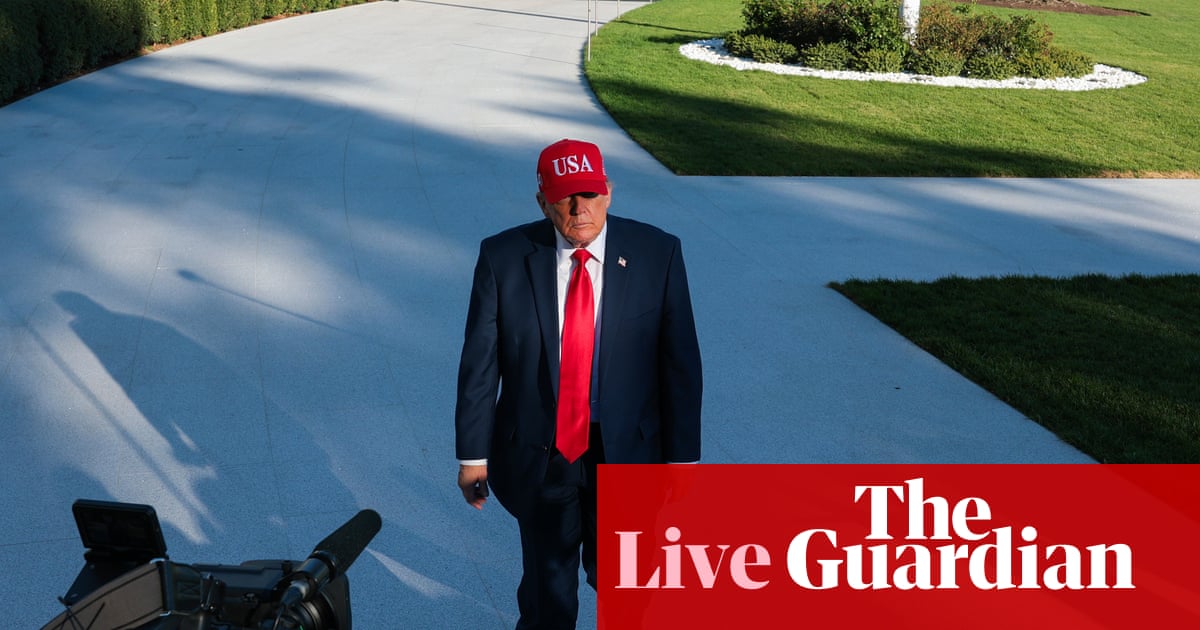
Donald Trump
The timing of this military surge, just a month before the November US midterm elections, is particularly noteworthy. President Donald Trump's handling of the war is reportedly unpopular, and the deployment could be seen as an attempt to project strength or influence the political narrative. Trump himself hinted at potential escalation, telling Time magazine that it is “possible” he could ramp up bombing Iran after the midterm elections, though he declined to provide further details.
This suggests a calculated political and military strategy, where the increased military options could serve as both a deterrent and a potential tool for more aggressive action post-election. The administration's stated goal, as reported by Al Jazeera's Tanya Noury, is to keep military options “on the table” for Trump, irrespective of diplomatic developments. This dual approach underscores the complex interplay between domestic politics, foreign policy, and military strategy.
Pentagon Strategy
The Pentagon's current stance is to maintain and even enhance its military assets in the Middle East, with Defense Secretary Pete Hegseth stating that forces are “ready to go” should Trump order new attacks. This commitment to a robust military presence, even if a diplomatic agreement with Iran is reached, highlights a strategy of sustained pressure and readiness. The goal is to ensure that military options remain viable and accessible for the President.
This approach builds upon a long history of US military presence in the Middle East, with forces stationed at numerous permanent and temporary bases across the region. The current buildup is described as the biggest surge in US airpower since the 2003 Iraq War, indicating a significant shift in the strategic posture towards Iran. The reinforcements, including the Tripoli and Boxer Amphibious Ready Groups and elements of the 82nd Airborne Division, demonstrate a comprehensive effort to enhance both naval and ground capabilities.
Key points
- The US is deploying a third aircraft carrier strike group, the USS Theodore Roosevelt, and the Makin Island Marine Expeditionary Unit to the Middle East.
- This deployment will add 9,000 to 10,000 US troops, bringing the total US service members in the region to approximately 60,000.
- By the end of November, three aircraft carriers and two amphibious landing groups will be positioned near Iran, providing President Trump with expanded military options.
- The Pentagon's strategy is to keep military options 'on the table' regardless of diplomatic developments, with forces 'ready to go' for new attacks.
- President Trump suggested to Time magazine that it is 'possible' he could ramp up bombing Iran after the upcoming midterm elections.
The increased military presence could serve as a strong deterrent, compelling Iran to engage more seriously in diplomatic negotiations and potentially leading to a de-escalation of tensions through a negotiated settlement. The 'wider menu of options' for President Trump might include more effective diplomatic leverage, preventing outright conflict.
The significant military buildup dramatically increases the risk of miscalculation or accidental escalation, potentially leading to a full-scale war with Iran. President Trump's hints about ramping up bombing after the midterm elections suggest a real possibility of intensified conflict, with severe regional and global repercussions.
Market signals
- OIL Escalation of conflict in the Middle East, a key oil-producing region, typically raises concerns about supply disruptions, pushing crude oil prices higher.
- XAU Increased geopolitical tensions and the potential for war drive investors towards safe-haven assets like gold, increasing its demand and price.
AI-generated analysis of potential market relevance. Not financial advice.