New Jersey works to destroy firefighting foam laced with cancer-linked PFAS
New Jersey fire departments are getting rid of foam proven to put out flames due to its link to cancer. The foam, called aqueous film-forming foam (AFFF), contains per- and polyfluoroalkyl substances (PFAS), commonly called 'forever chemicals.' Studies link AFFF exposure …
Intelligence analysis by Llama
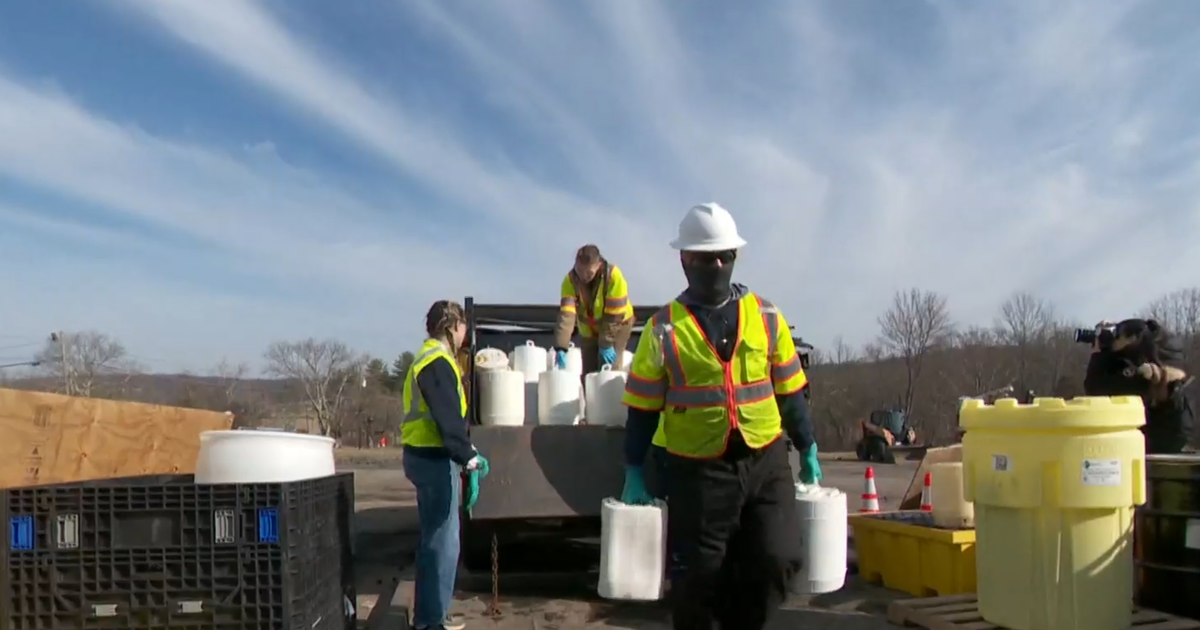
New Jersey fire departments are working to get rid of cancer-linked firefighting foam, which contains 'forever chemicals' that have been linked to higher cancer rates among firefighters. The state has collected over 150,000 gallons of the foam and is working to destroy it.
Imagine you're a firefighter, and you're using a special foam to put out fires. But this foam has something in it that can make you sick and even give you cancer. New Jersey is getting rid of this foam because it's bad for firefighters. They're working with a company to break it down into harmless pieces so it can be safely thrown away.
Analysis
A $60B Vote of Confidence
New Jersey's efforts to get rid of cancer-linked firefighting foam are a significant step towards protecting its firefighters. The state has collected over 150,000 gallons of the foam, which contains per- and polyfluoroalkyl substances (PFAS), commonly called 'forever chemicals.' Studies have linked AFFF exposure to higher cancer rates among firefighters, and the state is working to destroy the foam through a process called super critical water reactors.
Why Cursor?
The use of AFFF has been widespread in the US, with many fire departments using it since the 1980s. However, the foam's link to cancer has raised concerns, and some departments are now switching to PFAS-free alternatives. New Jersey's efforts to get rid of the foam are a significant step towards protecting its firefighters and addressing the potential health risks associated with AFFF.
The Road Ahead
The destruction of the foam is a complex process, and it requires specialized equipment and expertise. Revive Environmental, an Ohio company, is working with New Jersey to destroy the foam through its super critical water reactors. The process involves breaking down the PFAS in the foam into harmless compounds, which can then be safely disposed of. The success of this process will depend on the effectiveness of the equipment and the expertise of the personnel involved.
Key points
- New Jersey is getting rid of cancer-linked firefighting foam due to its link to higher cancer rates among firefighters.
- The foam, called aqueous film-forming foam (AFFF), contains per- and polyfluoroalkyl substances (PFAS), commonly called 'forever chemicals.'
- Studies have linked AFFF exposure to higher cancer rates among firefighters.
- New Jersey has collected over 150,000 gallons of the foam and is working to destroy it through a process called super critical water reactors.
- Revive Environmental, an Ohio company, is working with New Jersey to destroy the foam.
If New Jersey's efforts to get rid of cancer-linked firefighting foam are successful, it could set a precedent for other states to follow. This could lead to a nationwide reduction in the use of AFFF and a decrease in the risk of cancer among firefighters.
If the destruction of the foam is not done properly, it could lead to the release of PFAS into the environment, which could have serious consequences for the health of people and wildlife in the area.