New musical to give intimate portrait of Marilyn Monroe and Arthur Miller’s marriage
A new musical, "Misfits Together," by Bastille's Dan Smith and To Kill a King's Ralph Pelleymounter, will explore the complex marriage of Marilyn Monroe and Arthur Miller.
Intelligence analysis by Gemini 2.5 Flash Lite
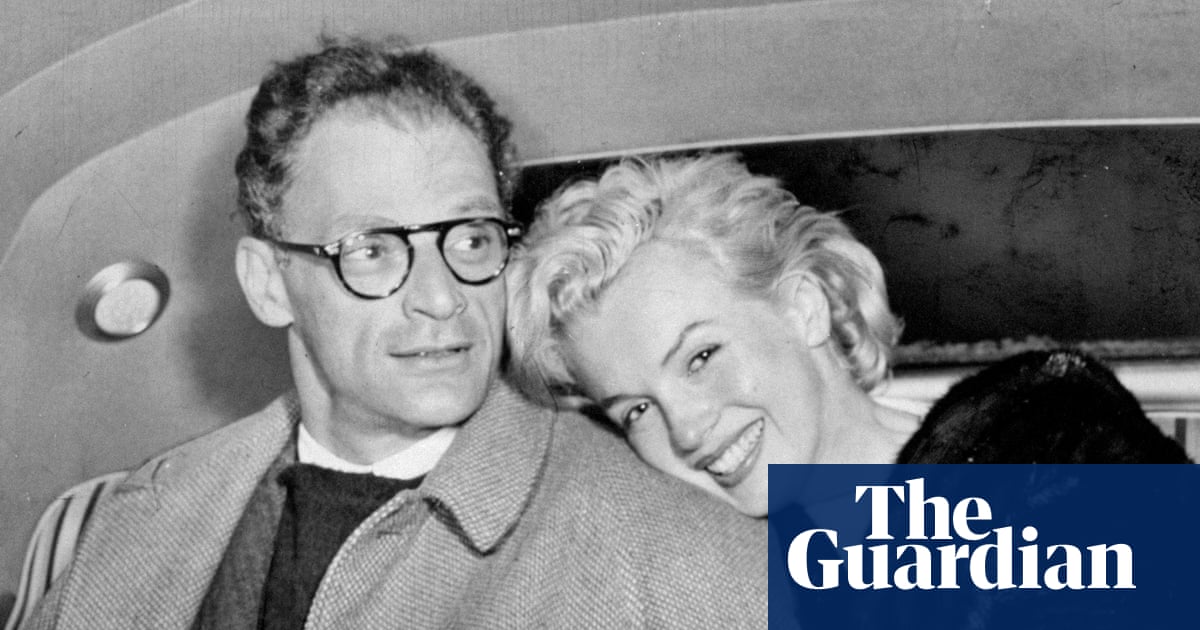
The musical "Misfits Together" aims to offer a nuanced look at the relationship between Marilyn Monroe and Arthur Miller, highlighting their individual struggles and mutual support against the backdrop of 1950s America's "red scare."
Imagine a famous movie star and a famous writer got married, but people only talked about how different they looked. This new musical tells their real story, showing how they supported each other and faced tough times in America, like a detective story about their lives.
Analysis
Misfits Together
The new musical, "Misfits Together," is a significant artistic endeavor by musicians Dan Smith of Bastille and Ralph Pelleymounter of To Kill a King. It seeks to move beyond the simplistic "hourglass and egghead" public perception of Marilyn Monroe and Arthur Miller's marriage, which began in 1956. The production, set to open at Leicester's Curve, is not just a biographical piece but also an exploration of the societal climate of the 1950s "red scare." The title itself is a nod to the film Miller wrote for Monroe, released after their divorce, suggesting a shared yet ultimately divergent path.
The creative team, including librettist Charlotte Bogard Macleod, emphasizes the often-overlooked aspects of their relationship. Macleod highlights Miller's integrity in refusing to name names before the House Un-American Activities Committee, a stance that came at a considerable personal cost. Crucially, the musical aims to showcase Monroe's active support for Miller during this period, noting her own production company and her empowerment in fighting against figures like Senator Joe McCarthy and pervasive misogyny. This challenges the common narrative that reduced her to a mere bombshell, ignoring her agency and contributions.
1950s Red Scare
The musical's setting amidst the 1950s "red scare" is a deliberate choice to draw parallels with contemporary societal anxieties. Ralph Pelleymounter notes that "history doesn't repeat, but it rhymes," suggesting that the "othering" tactics used to create fear and anger to maintain the status quo are still relevant today. The creative team has drawn inspiration from historical events and figures, including frustrations expressed by Miller and director Elia Kazan regarding manipulative and scaremongering political rhetoric. The musical also incorporates interactions with other famous figures, such as Laurence Olivier, Monroe's co-star, whose simplistic direction to "be sexy" contrasts with Monroe's dedication to her craft and desire for multiple takes to achieve perfection.
Smith and Pelleymounter have developed a substantial body of work for the musical, writing over three dozen songs and refining them to under half that number. Their approach to songwriting is narrative-driven, aiming for pieces that are "epic and instant and nuanced" while advancing the story and delving into character psychology. They have drawn inspiration from various sources, including famous photographs of the couple, such as their bicycle rides, and even the structure of Eminem's hit song "Stan" to tell complex stories through correspondence. This innovative approach to musical storytelling aims to capture both the sweep of history and the intimate details of individual lives.
Marilyn Monroe
The musical intends to provide a deeply personal and often underappreciated perspective on Marilyn Monroe's life and career. Dan Smith emphasizes how Monroe, a working-class woman who experienced foster care, meticulously crafted the persona of Marilyn Monroe, becoming one of the most recognized individuals globally. Despite her immense success and fame, she was consistently questioned, denigrated, and patronized. The production seeks to rectify this by highlighting her achievements and agency, moving beyond the reductive image of a "bombshell" that often overshadowed her talent and intellect.
Nikolai Foster, artistic director of Curve, has praised Monroe's "innate understanding of the art of film-making" and "the craft of acting." During workshop sessions for "Misfits Together," the creative team reportedly became so immersed in the couple's lives that they sometimes forgot they were portraying two of the 20th century's most iconic cultural figures. The musical's focus on such close-up portrayals aims to reveal the complexities of Monroe's experience, including how her fame might have eclipsed Miller's public profile at times. The production's commitment to exploring these nuances suggests a desire to offer a more complete and celebrated portrait of Monroe, acknowledging her multifaceted contributions beyond her public image.
Key points
- A new musical titled "Misfits Together" will explore the marriage of Marilyn Monroe and Arthur Miller.
- The production by musicians Dan Smith and Ralph Pelleymounter aims for a nuanced portrait, contrasting with public perceptions.
- It will be set against the backdrop of the 1950s "red scare" and draw parallels to contemporary societal issues.
- The musical highlights Monroe's support for Miller during his HUAC testimony and her own agency.
- Songwriting inspiration includes historical photos, correspondence, and Eminem's "Stan."
The musical "Misfits Together" could offer a fresh and empathetic portrayal of Marilyn Monroe and Arthur Miller, challenging public perceptions and highlighting their individual strengths and mutual support. By drawing parallels between the 1950s "red scare" and contemporary issues, it may spark important conversations about societal anxieties and the use of "othering."
There is a risk that the musical might still struggle to fully capture the complexities of Monroe and Miller's relationship, or that the historical parallels drawn to contemporary issues may not resonate effectively with all audiences. The intimate focus could also inadvertently overshadow the broader socio-political context it aims to explore.