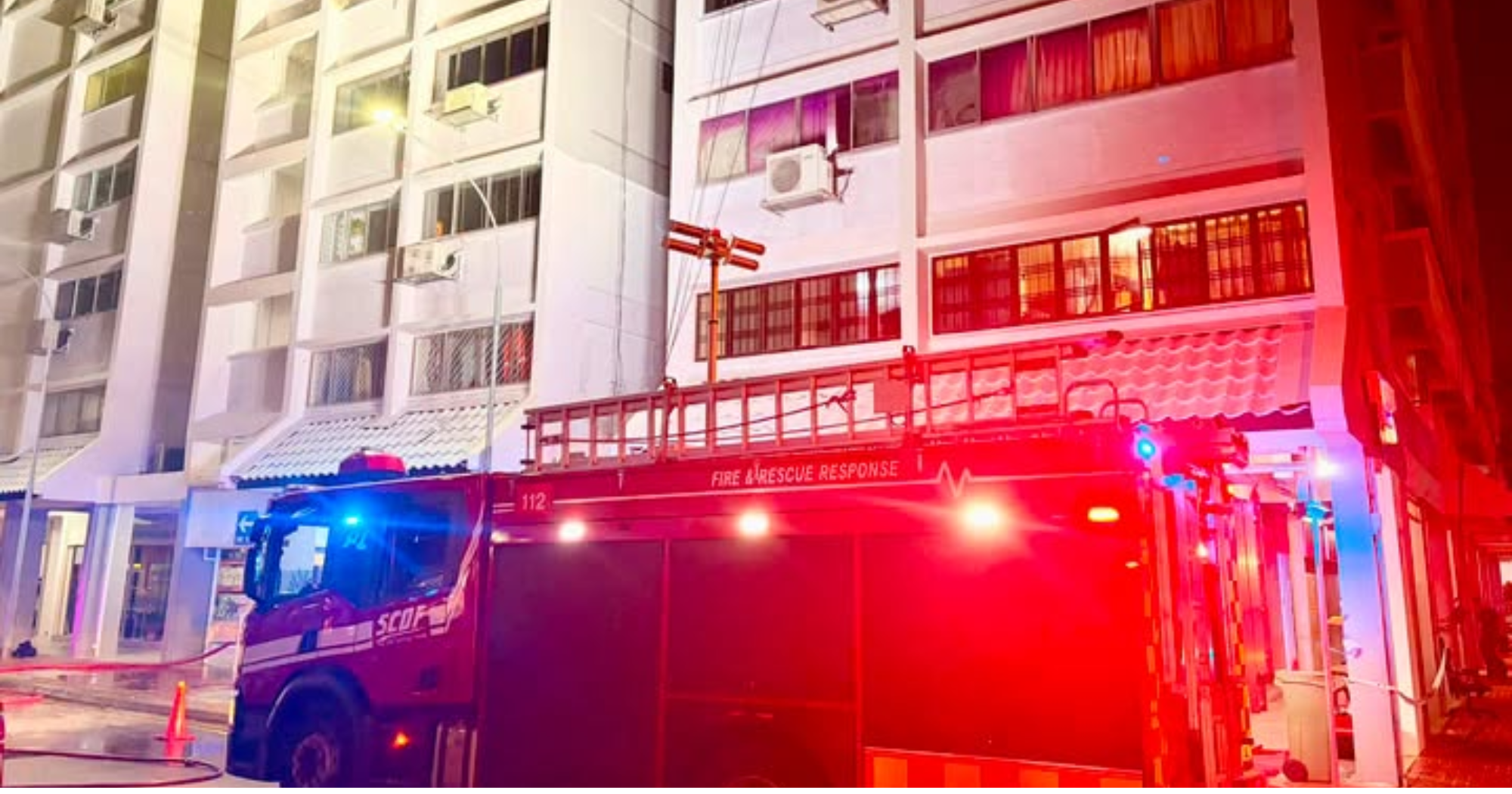
New traffic laws set stage for crackdown on drink driving, phone holding and rogue motorists
Singapore Parliament passed new traffic laws on Aug 4 lowering driver alcohol limits by more than half and creating a 'purposeful endangerment' offence carrying up to 15 years' jail, as traffic deaths hit a 10-year high of 149.
Intelligence analysis by Llama
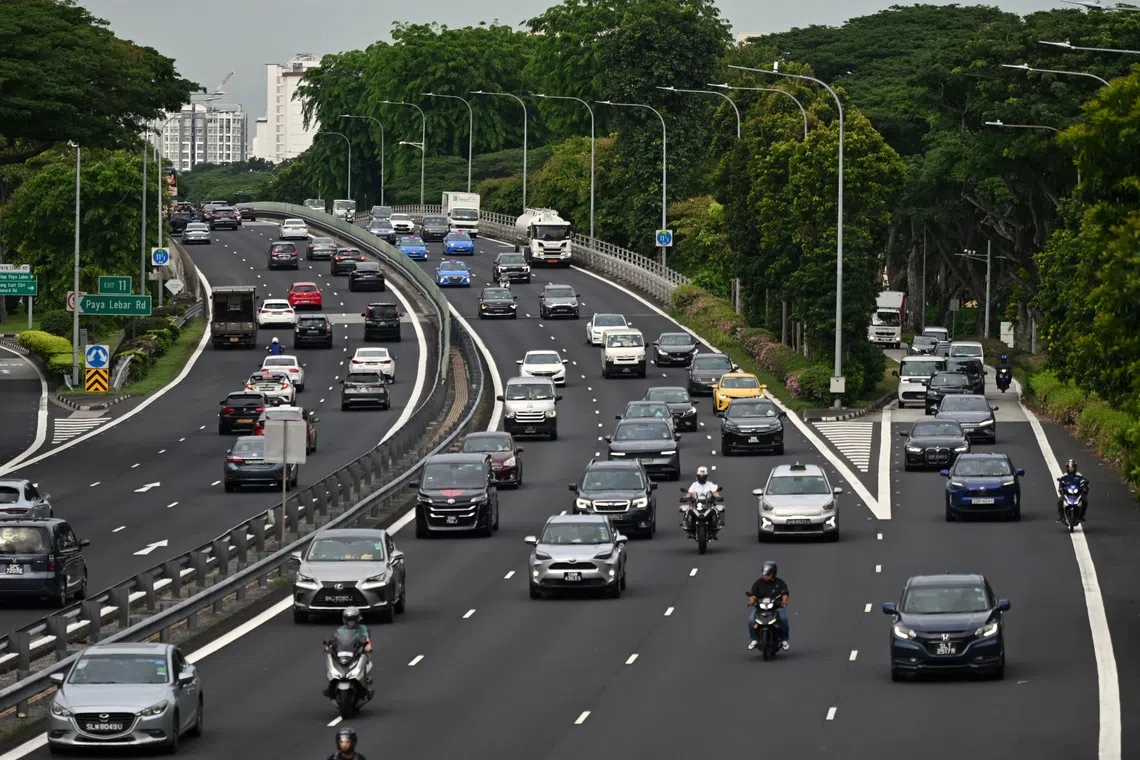
Singapore's Parliament passed the Traffic (Miscellaneous Amendments) Bill on Aug 4, 2026, tightening drink-driving limits by more than half, creating a new 'purposeful endangerment' offence with penalties up to 15 years' jail and caning, and making phone-holding while driving an offence even without active use.
Singapore just made its traffic laws much stricter. Now, drinking even a tiny bit of alcohol before driving, or just holding a phone behind the wheel, can land someone in jail. There's also a brand-new crime called 'purposeful endangerment' for drivers who use their car to hurt people on purpose, with punishments up to 15 years. The new rules come because more people are dying on the roads.
Analysis
A Crackdown Built on a Decade's Worst Toll
Singapore's road-safety record gave lawmakers clear cause. According to the article, traffic deaths hit 149 in 2025, the highest in a decade, while the 141 figure for 2016 underscores how dramatically the trajectory has reversed. The number of people injured climbed from 9,342 in 2024 to 9,955 in 2025. The Traffic (Miscellaneous Amendments) Bill, debated by 27 MPs over six hours on Aug 4, 2026, is the legislative response: not a tweak, but a structural reweighting of what counts as a serious driving offence.
The move reframes the drunk driver or the deliberate road-rage perpetrator from a traffic nuisance into something closer to a public-safety threat. Second Minister for Home Affairs Sim Ann explicitly linked the package to rising violations, notably a 40% jump in phone-use offences from 3,014 in 2024 to 4,214 in 2025, and to WHO findings that drivers using phones are four times more likely to crash. The political framing is reactive but preventive: get ahead of the curve before Singapore's road-death toll crosses an unacceptable line.
Lower Thresholds, Higher Stakes
The headline shift is in drink-driving limits. The legal alcohol ceiling drops from 35 micrograms per 100ml of breath to 15mcg, a reduction of more than half. The blood-alcohol cap falls from 80mg to 30mg per 100ml, bringing Singapore in line with jurisdictions such as Japan and South Korea, where limits have been lower for years. The signal is unmistakable: the line between "a drink after work" and "driving under the influence" has narrowed sharply.
Enforcement will change too. The Traffic Police can now prosecute with readings from a new handheld breathalyser that underwent operational trials, eliminating the need to escort suspects to a lock-up for testing. Doctor authorisation will no longer be required to draw a blood sample. Together these procedural changes close the small gap that previously gave aggressive defence counsel room to argue, and they extend the on-the-spot authority of frontline officers.
From Distraction to Endangerment, Redefining Road Offences
The two most novel elements are the "purposeful endangerment" offence and the new drug-driving law. Purposeful endangerment criminalises drivers who intentionally use their vehicles to endanger another person, causing death or grievous hurt, with penalties of up to 15 years' jail, caning, fines, and lifetime disqualification from driving, plus vehicle seizure. Drug-driving allows prosecution whenever controlled drugs or substances like etomidate are detected in blood, regardless of impairment evidence, except where drivers are on legitimate prescriptions unaware of side effects.
Phone use is firmly criminalised. Holding a device while driving, not just actively using it, becomes an offence, with up to six months' jail and a $1,000 fine for first offenders. The logic in the bill is direct: holding the phone reduces control of the vehicle, even when the screen is dark. A stricter demerit-points system, scheduled for 2027, will lower the suspension threshold from 24 to 18 points, ensuring financial penalties connect to long-term licence risk and giving repeat offenders a clearer path off the road.
Key points
- Singapore Parliament passed the Traffic (Miscellaneous Amendments) Bill on Aug 4, 2026, after a six-hour debate involving 27 MPs.
- Driver alcohol limits drop by more than half: from 35mcg to 15mcg per 100ml of breath, and blood alcohol from 80mg to 30mg, aligning Singapore with Japan and South Korea.
- A new 'purposeful endangerment' offence carries up to 15 years' jail, caning, fines, a lifetime driving ban, and possible vehicle seizure.
- Holding a mobile phone while driving — even without active use — is now an offence, with jail possible for repeat offenders, and enforcement can rely on cameras and public reports.
- Traffic deaths hit a 10-year high of 149 in 2025, and road injuries rose from 9,342 in 2024 to 9,955 in 2025, providing the political impetus for the package.
If the lower alcohol limits, on-the-spot breathalyser powers, and harsher penalties deter offenders as intended, Singapore could see a measurable drop in road deaths from the 2025 high of 149 and a reduction in the rising injury toll, restoring the republic to its long-established reputation for road safety.
Harsher penalties may not change behaviour among determined offenders, and the expanded reliance on cameras and public reporting for phone-holding offences raises the risk of disputes over evidence. Treating ordinary traffic mistakes as potential criminal endangerment cases could also draw criticism that the law overreaches, particularly for first-time offenders facing jail time under the new drink-driving guidelines.