New UK homes in flood-risk areas could become uninsurable, says Aviva boss
Aviva's CEO, Amanda Blanc, warns that new homes built in UK flood-risk areas could become uninsurable due to increasing climate-related flooding, impacting homeowners' ability to secure mortgages or sell properties.
Intelligence analysis by Gemini 2.5 Flash
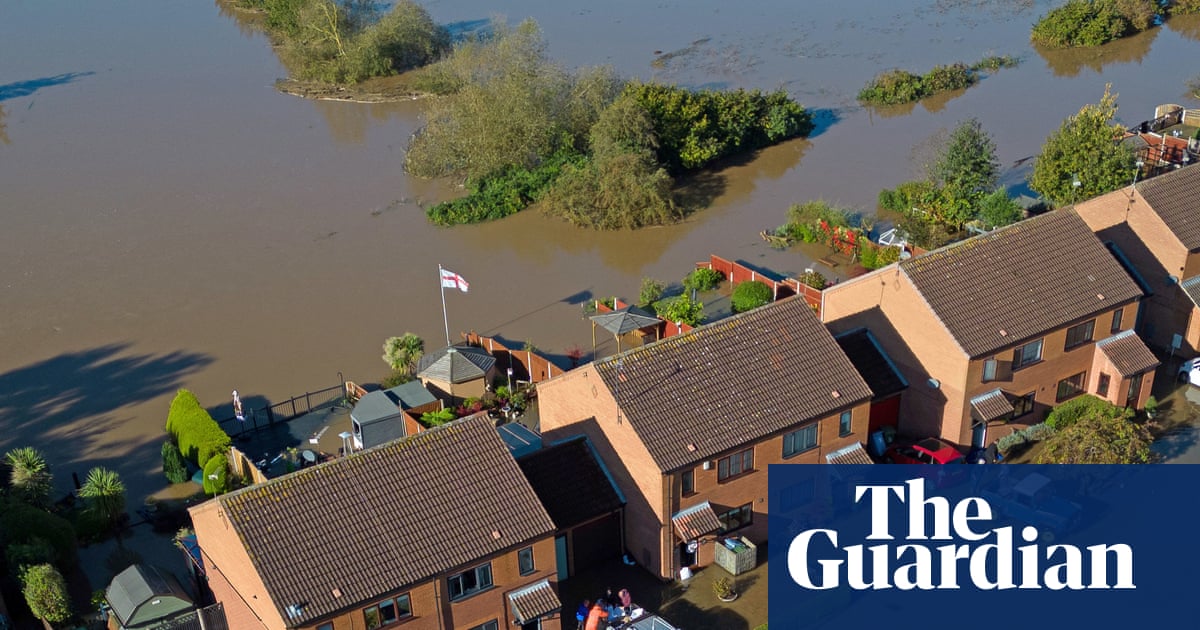
Britain's largest insurer, Aviva, through its chief executive Amanda Blanc, has issued a stark warning that a significant number of new homes constructed in flood-prone regions across the UK are at risk of becoming uninsurable. This escalating threat is attributed to the worsening climate crisis, which is increasing the frequency and severity of flooding events, making it difficult fo…
Imagine you have a special piggy bank called 'insurance' where everyone puts a little money, just in case something bad happens, like your bike getting a flat tire. But if you keep building houses right next to a river that floods all the time, it's like knowing for sure that everyone's bike will get a flat tire. Then, the piggy bank runs out of money, and no one can get help anymore. That's what the boss of a big insurance company is saying about new homes in places that flood a lot in the UK.
Analysis
The pronouncement from Aviva's chief executive, Amanda Blanc, underscores a critical intersection of climate change, urban planning, and financial risk within the UK. Her warning is not merely a speculative forecast but is grounded in observed trends, such as the increase in surface water flooding following dry summers and heavy rains. The insurance industry operates on the principle of pooling risk, where the likelihood of an event is uncertain for any single policyholder. However, when an event like flooding becomes an 'inevitability' for properties in certain areas, the fundamental model of insurance breaks down, making coverage either impossible or prohibitively expensive.
Amanda Blanc
Amanda Blanc's statements reflect a growing concern among major insurers about the long-term viability of providing coverage in increasingly vulnerable areas. As the head of Britain's largest insurer, her perspective carries significant weight, signaling a potential shift in how the industry assesses and manages climate-related risks. She highlighted that the past two years saw a 30-fold increase in pension withdrawals in the run-up to the budget, a separate but related concern about policy stability. Blanc also touched upon her challenging tenure as BP's senior independent director, indicating her experience with complex, high-stakes corporate governance issues.
110,000 Homes
The statistic that 110,000 homes have been built in flood areas over the past decade, with a projected 115,000 more in the next, reveals a significant policy and planning challenge. This continued development in high-risk zones directly contributes to the problem of future uninsurability. The article suggests that this trend 'doesn't seem to make sense' from a risk management perspective. The implications extend beyond individual homeowners, affecting the broader housing market, property values, and the availability of mortgages, which are often contingent on adequate insurance cover. This pattern of development creates a legacy of vulnerability that will be costly to address.
Environment Agency
The Environment Agency's data further corroborates the severity of the situation, stating that approximately 6.3 million homes and businesses in England are currently at risk of flooding. This figure is projected to rise to around 8 million, or one in four properties, by mid-century. This alarming forecast provides a scientific basis for the insurance industry's concerns, emphasizing the urgent need for strategic planning and mitigation efforts. The agency's projections highlight that the climate crisis is not a distant threat but an immediate and escalating challenge that demands a coordinated response from government, planners, and developers to prevent widespread economic and social disruption.
Key points
- Aviva CEO Amanda Blanc warns that new UK homes built in flood-risk areas could become uninsurable due to increasing climate-related flooding.
- Approximately 110,000 homes have been built in flood zones in the last decade, with another 115,000 projected for the next.
- The Environment Agency estimates 6.3 million properties in England are at flood risk, potentially rising to 8 million by mid-century.
- Uninsurable properties would severely impact homeowners' ability to get mortgages or sell, potentially leading to property devaluation.
- Blanc also cautioned the government against 'kite flying' policy speculation before the upcoming budget, citing a surge in pension withdrawals in previous years.
The article suggests that proactive measures, such as using flood-resistant building materials and designs (e.g., stainless steel kitchens, higher plug points), can mitigate damage. If these techniques are widely adopted in new constructions and retrofitted in existing properties, it could help maintain insurability and reduce the financial burden of flooding.
The most significant downside is that properties in flood-risk areas could become entirely uninsurable or prohibitively expensive to insure, leading to a collapse in their value. This could make it impossible for homeowners to sell or secure mortgages, potentially forcing some towns to be abandoned as climate breakdown worsens, as a Guardian investigation previously found.