New Zealand confirms 2nd case of H5 bird flu in native bird
New Zealand has confirmed a second case of H5 avian influenza in a wild bird, prompting authorities to intensify surveillance and biosecurity measures.
Intelligence analysis by Llama
New Zealand has confirmed a second case of H5 bird flu in a wild bird, with authorities intensifying surveillance and biosecurity measures. The virus has not been detected in poultry, and chicken and eggs remain safe to eat.
New Zealand found a second bird with a sickness called H5 bird flu. This makes the government check birds more closely and help farmers who raise chickens. People don't need to worry about eating chicken or eggs because they are safe.
Analysis
A Second Case of H5 Bird Flu in New Zealand
New Zealand has confirmed a second case of H5 avian influenza in a wild bird, prompting authorities to intensify surveillance and biosecurity measures. The latest case involves a kahu found in the Wairarapa region on the North Island, following confirmation of the virus in a brown skua at Petone Beach in the capital Wellington earlier this week.
Biosecurity Measures
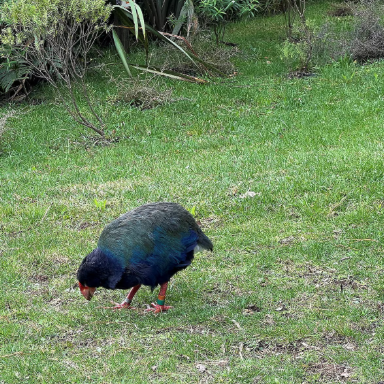
Response measures will include extra checking of birds at selected sites, targeted support for poultry and egg operations in Wellington and the Wairarapa region, and the establishment of a technical advisory group. The Department of Conservation has begun vaccinating 300 core breeding birds from five of New Zealand’s most endangered species, including kakapo and takahe, as part of preparedness efforts.
Public Health and Safety
Chicken and eggs remain safe to eat and bird flu is a very low risk to human health. The public has been urged to report clusters of sick or dead wild birds and avoid touching or handling unwell birds as authorities prepare for further cases.
Key points
- New Zealand has confirmed a second case of H5 avian influenza in a wild bird.
- The virus has not been detected in poultry, and chicken and eggs remain safe to eat.
- Authorities are intensifying surveillance and biosecurity measures to monitor and control the spread of the virus.
- The Department of Conservation is vaccinating 300 core breeding birds from five of New Zealand’s most endangered species.
If the government's efforts to monitor and control the spread of the virus are successful, it is possible that the number of cases will decrease, and the country will be able to reduce its biosecurity measures.
If the virus establishes itself in New Zealand's wildlife, it is likely to become endemic, and eradication would be unlikely. This could have significant impacts on the country's bird populations and ecosystems.