New Zealand plans social media ban for under-16s backed by big fines
New Zealand Prime Minister Christopher Luxon has proposed a bill to ban children under 16 from using social media, with fines of up to 10% of a platform's global revenue for non-compliance.
Intelligence analysis by Llama
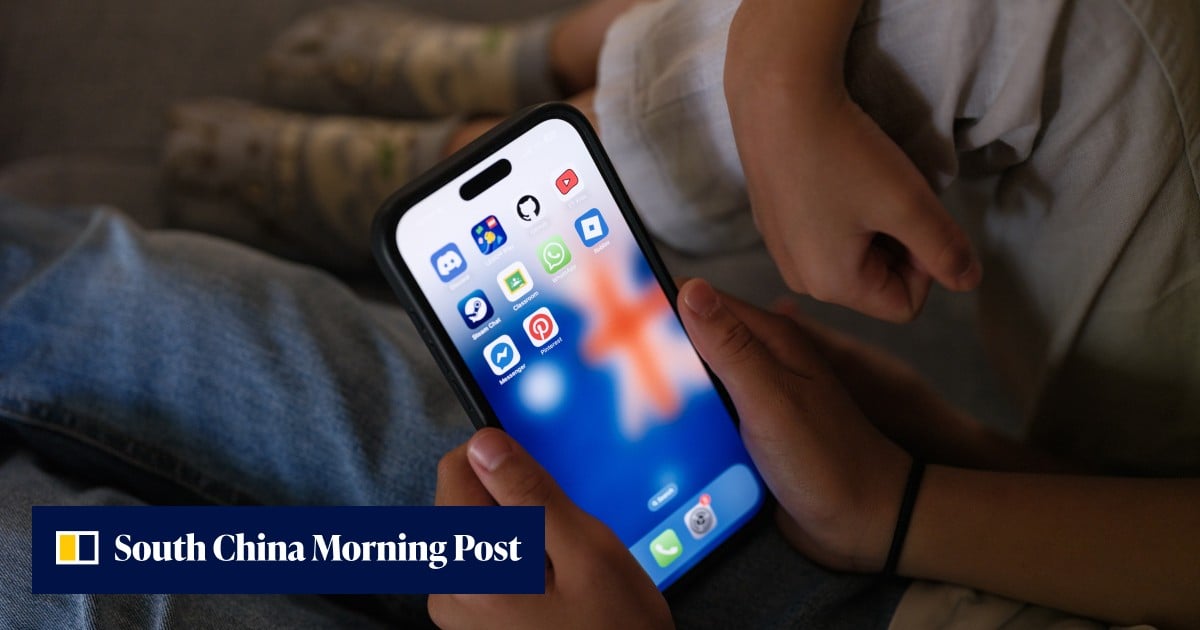
New Zealand plans to ban children under 16 from using social media, with fines for non-compliance. The bill would require social media platforms to verify users' ages.
New Zealand wants to stop kids under 16 from using social media because it's bad for their mental health and well-being. They want to make sure social media companies check if users are old enough before they can join.
Analysis
Background
New Zealand's proposed social media ban for children under 16 is part of a growing trend of countries introducing similar measures to protect young people from the potential harms of social media. Australia was the first country to ban social media for children, and now New Zealand is following suit.
What Changed
The proposed bill would require social media platforms to take reasonable steps to verify users' ages, including by using existing account information, facial technology, and digital identity documents. This is a significant step towards protecting children from the potential harms of social media.
What's Next
The bill's success is uncertain, with one of Prime Minister Christopher Luxon's coalition partners, the New Zealand First party, saying it would not support it. However, the proposal has sparked a wider conversation about the impact of social media on children's mental health and well-being, and it is likely that other countries will follow suit in the coming months.
Key points
- New Zealand plans to ban children under 16 from using social media
- Fines of up to 10% of a platform's global revenue for non-compliance
- Social media platforms must verify users' ages
- The bill's success is uncertain due to opposition from a coalition partner
If the bill passes, it could set a positive precedent for other countries to follow suit and protect their children from the potential harms of social media.
The bill's success is uncertain, and even if it passes, it may not be enough to address the complex issue of social media's impact on children's mental health and well-being.