New Zealand to introduce Bill banning social media for children under 16
New Zealand's conservative coalition government will introduce a Bill in parliament on Monday (Aug 24) that seeks to ban children under 16 from using social media, and proposes fines of up to 10 per cent of a platform's global revenue for non-compliance.
Intelligence analysis by Llama
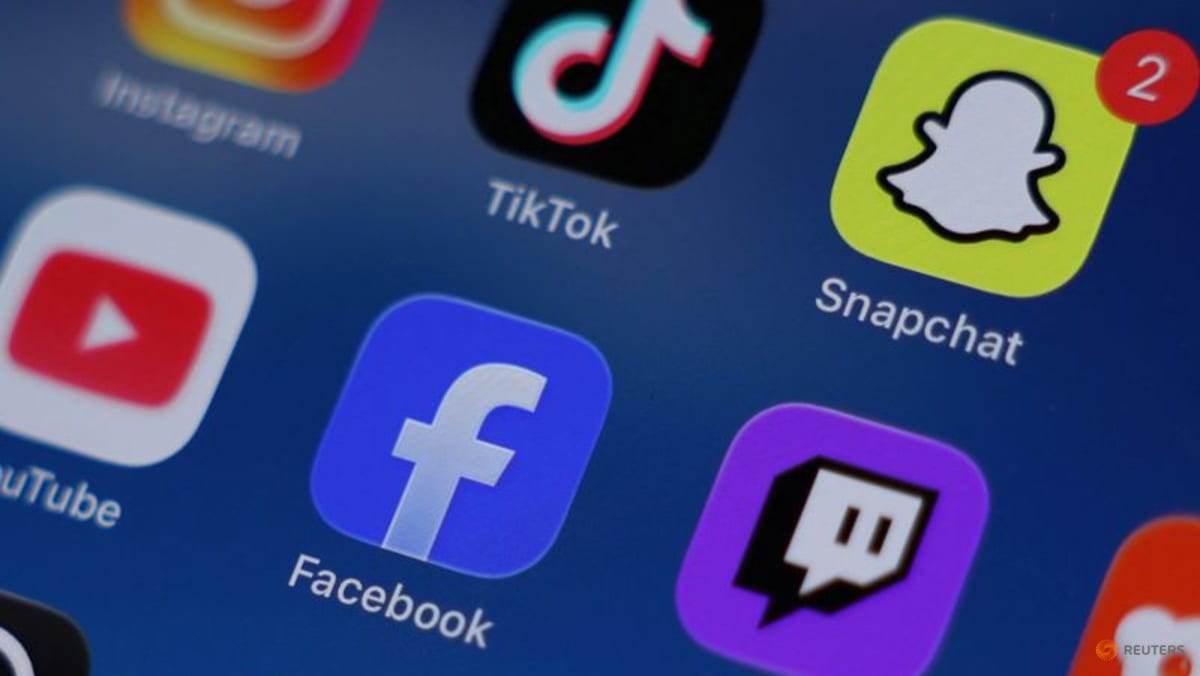
New Zealand's government plans to introduce a Bill banning children under 16 from using social media, citing concerns over the harm caused to children's mental health, family life, and education. The Bill proposes fines of up to 10 per cent of a platform's global revenue for non-compliance.
Imagine you're a kid, and you're using social media to play games, watch videos, and chat with friends. But sometimes, you see things that make you feel bad or scared. That's what's happening to kids who use social media too much. New Zealand's government wants to stop kids under 16 from using social media because it's not good for them. They want to make sure kids are safe and happy, and that's a good thing!
Analysis
New Zealand's Social Media Ban: A Step Towards Protecting Children's Well-being?
The proposed Bill in New Zealand aims to ban children under 16 from using social media, citing concerns over the harm caused to their mental health, family life, and education. This move is a significant step towards protecting children's well-being in the digital age. Social media platforms have been criticized for exposing children to harmful content, addictive technology, and pressures they are not equipped to deal with. The proposed Bill requires social media platforms to take reasonable steps to verify users' ages, including by using existing account information, facial technology, and digital identity documents. The Bill also proposes fines of up to 10 per cent of a platform's global revenue for non-compliance. While the Bill has garnered support from some quarters, it has also faced criticism from others who argue that it is the responsibility of parents to keep children off social media. The Australian government's decision to ban social media for children under 16 in December 2025 has been cited as a precedent for New Zealand's proposed legislation. However, the effectiveness of such a ban remains to be seen. Some argue that it will be difficult to enforce and that children will always find ways to circumvent it. Others argue that it is a necessary step towards protecting children's well-being in the digital age. The proposed Bill has sparked a debate on the role of social media in children's lives and the need for regulation. As the Bill makes its way through Parliament, it remains to be seen whether it will pass and what impact it will have on children's use of social media in New Zealand.
The Challenges of Implementing a Social Media Ban
Implementing a social media ban for children under 16 poses several challenges. Firstly, it will be difficult to enforce, as children will always find ways to circumvent it. Secondly, it may not be effective in preventing children from accessing social media, as they may use their parents' or friends' accounts to access the platforms. Thirdly, it may have unintended consequences, such as driving children to use more secretive and potentially more harmful platforms. Finally, it may be seen as an overreach of government power, as it seeks to regulate a private industry. Despite these challenges, the proposed Bill aims to protect children's well-being in the digital age and to regulate the social media industry.
The Role of Parents in Social Media Regulation
The proposed Bill has sparked a debate on the role of parents in social media regulation. Some argue that it is the responsibility of parents to keep children off social media, while others argue that the government has a role to play in regulating the industry. The Australian government's decision to ban social media for children under 16 in December 2025 has been cited as a precedent for New Zealand's proposed legislation. However, the effectiveness of such a ban remains to be seen. Some argue that it will be difficult to enforce and that children will always find ways to circumvent it. Others argue that it is a necessary step towards protecting children's well-being in the digital age.
Key points
- New Zealand's government plans to introduce a Bill banning children under 16 from using social media.
- The Bill proposes fines of up to 10 per cent of a platform's global revenue for non-compliance.
- The Bill requires social media platforms to take reasonable steps to verify users' ages.
- The Australian government's decision to ban social media for children under 16 in December 2025 has been cited as a precedent for New Zealand's proposed legislation.
If the Bill passes, it could lead to a decrease in the number of children using social media, which could have a positive impact on their mental health and well-being. Additionally, it could set a precedent for other countries to follow suit, leading to a global shift in the way social media is regulated.
The Bill may not be effective in preventing children from accessing social media, as they may use their parents' or friends' accounts to access the platforms. Additionally, it may drive children to use more secretive and potentially more harmful platforms, which could have unintended consequences.