News outlets banned from White House seek emergency hearing after being denied entry despite judge’s order – live
Journalists from CNN, MS NOW, and Politico were blocked from entering the White House, and some had their press passes confiscated, despite a federal judge's order to restore their access.
Intelligence analysis by Gemini 2.5 Flash
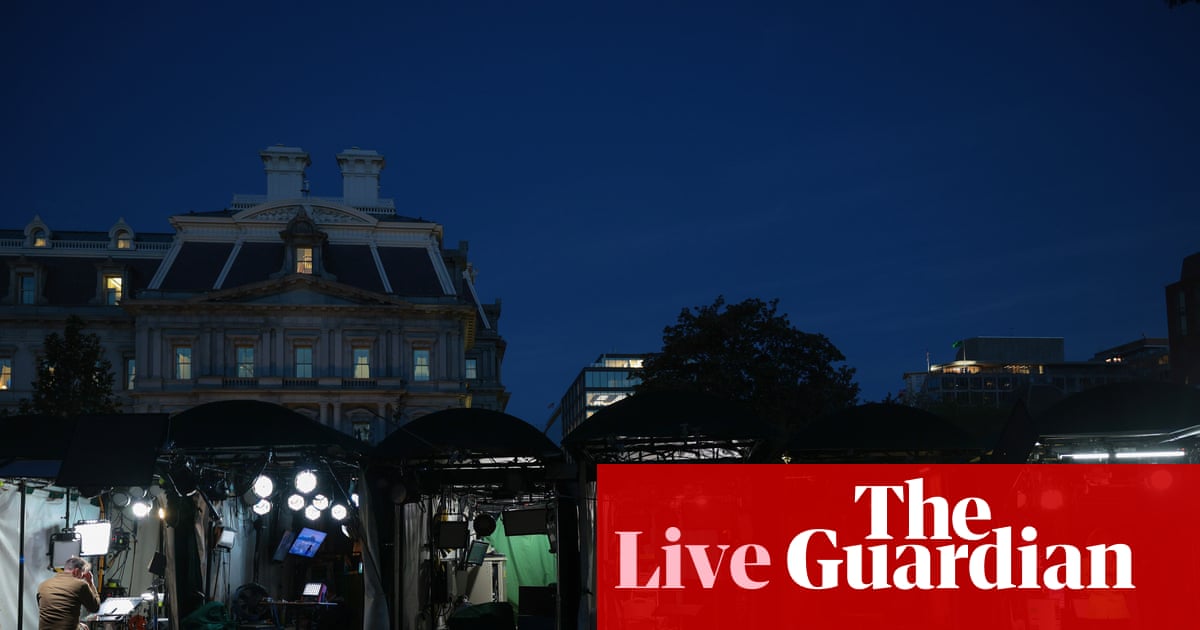
Following a federal judge's ruling that the Trump administration's ban on certain news outlets was likely unconstitutional and ordered their access restored, reporters from CNN, MS NOW, and Politico were still denied entry to the White House. Lawyers for the outlets have now requested an emergency hearing, citing the administration's apparent defiance of the court order.
Imagine a school principal telling certain kids they can't come to the playground, even though a teacher said they absolutely could. That's kind of what's happening here: a judge said some news reporters should be allowed back into the White House, but the White House still wouldn't let them in. Now, the reporters' lawyers are asking the judge to step in again, especially since one of the blocked news channels was supposed to film a big meeting with a foreign leader.
Analysis
The ongoing dispute between the Trump administration and several prominent news organizations escalated dramatically after a federal judge's order to restore press access was seemingly defied. Journalists from CNN, MS NOW, and Politico, who had previously been banned, attempted to enter the White House but were turned away. This action, which included the confiscation of hard passes from some reporters, prompted an immediate request for an emergency court hearing from the outlets' legal teams, underscoring the urgency of the situation.
Federal Judge's Ruling
Just hours before the latest denial of entry, a federal judge had issued a ruling that sided with the news organizations. The judge declared that the Trump administration's ban on these outlets was "likely unconstitutional" and mandated the immediate return of their press passes. This judicial intervention was seen as a significant, albeit temporary, victory for press freedom advocates, affirming the importance of media access to government operations. The administration's subsequent actions appear to challenge the authority of this court order, setting a precedent for potential constitutional clashes.
President Xi Jinping's Visit
The timing of this confrontation is particularly notable, coinciding with a high-profile state visit by Chinese President Xi Jinping to the White House. CNN, one of the banned outlets, was scheduled to serve as the television pool for the evening's events related to President Xi's visit. The denial of access to a designated pool reporter during such a critical diplomatic engagement not only impacts the affected news organization but also raises questions about the administration's commitment to transparent communication during international affairs. This incident could cast a shadow over the optics of the US administration's handling of media relations on the global stage, especially during discussions on sensitive topics like AI and trade with a major world leader.
Key points
- Journalists from CNN, MS NOW, and Politico were denied entry to the White House despite a federal judge's order.
- Secret Service agents confiscated hard passes from some of the journalists.
- The news outlets' lawyers have requested an emergency court hearing, citing defiance of the judge's ruling.
- A federal judge had previously ruled the ban on these outlets was 'likely unconstitutional' and ordered access restored.
- The incident occurred on the day of President Xi Jinping's visit, with CNN scheduled for television pool duty.
The judiciary's intervention and the news outlets' swift legal response demonstrate a robust defense of press freedom, suggesting that the rule of law may ultimately prevail in ensuring media access and government accountability.
The administration's apparent defiance of a federal court order could signal a deepening conflict between the executive branch and the judiciary, potentially leading to a prolonged legal battle and further erosion of press access to the White House.


