Niger: Disappeared since August, journalist Moussa Kaka is 'detained' by authorities
Nigerien journalist Moussa Kaka, missing since late August, has been confirmed by authorities as "alive" and "detained," according to Reporters Without Borders (RSF) citing the Justice Minister. RSF condemns the detention as arbitrary, noting no specific charges or locati…
Intelligence analysis by Gemini 2.5 Flash
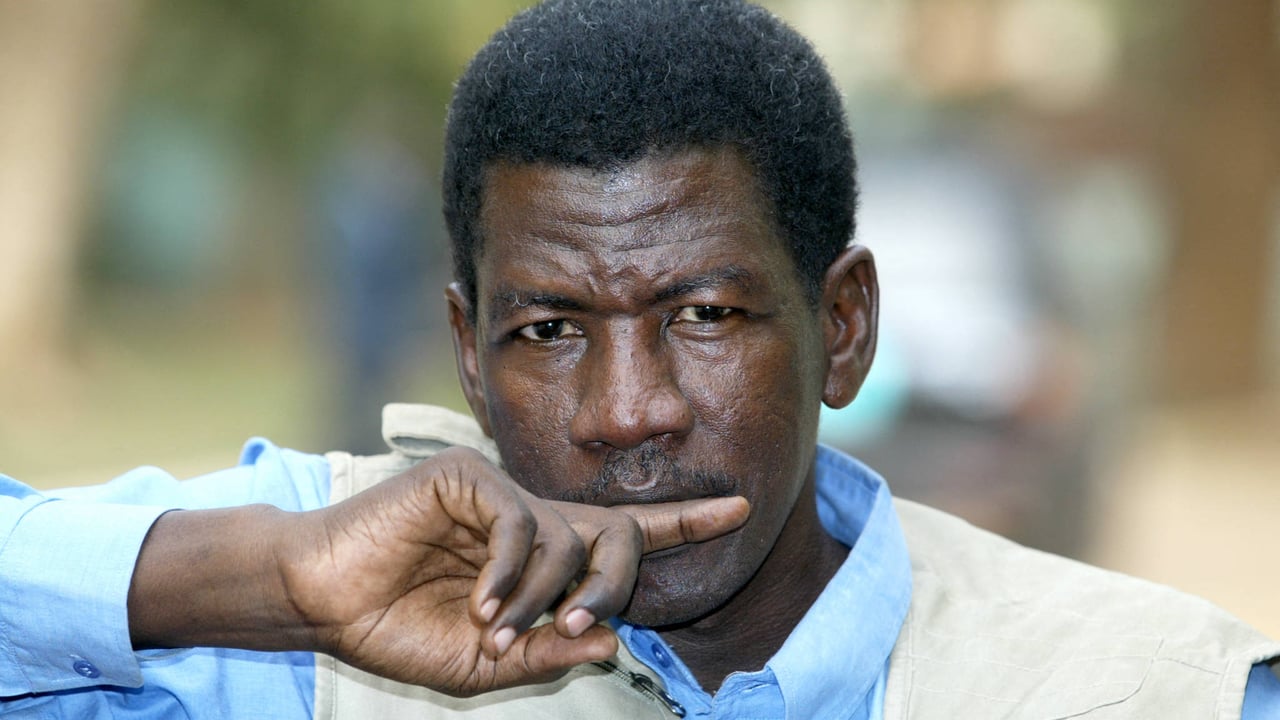
The military junta in Niger has confirmed the detention of prominent journalist Moussa Kaka, who disappeared in late August, following international pressure. While authorities claim he committed an unspecified "offense," RSF denounces the lack of transparency regarding his whereabouts and the arbitrary nature of his confinement, linking it to the regime's broader crackdown on press f…
Imagine a famous news reporter named Moussa Kaka in a country called Niger. He suddenly disappeared, and everyone was worried. Now, the people in charge of the country, who are soldiers, have finally said he's alive but they're holding him. They say he did something wrong, but they won't say what it was or where he is. A group that helps reporters, called RSF, thinks this is unfair and wants him to be let go right away.
Analysis
Moussa Kaka
The detention of Moussa Kaka, a 66-year-old veteran journalist and director of Radio Télévision Saraounia (RTS), marks a significant escalation in the Nigerien military junta's actions against the press. Kaka, also a former correspondent for Radio France Internationale (RFI) and Reporters Without Borders (RSF), disappeared on August 31, sparking widespread concern. His long career and affiliations with international media organizations make his case particularly high-profile, drawing global attention to the challenges faced by journalists in the region.
The authorities' confirmation of his detention, after weeks of silence, provides a crucial update but also raises more questions than answers. RSF has vehemently condemned the situation, labeling it as "totally arbitrary" due to the complete lack of information regarding the specific charges, the legal basis for his detention, and his current place of confinement. This opacity fuels fears about due process and human rights under the current regime.
Reporters Without Borders
RSF has played a pivotal role in bringing Kaka's case to international attention and pressuring the Nigerien authorities for answers. Their persistent advocacy led to the Justice Minister, Alio Daouda, confirming Kaka's detention and stating he committed an "offense" for which he must "answer before the courts." However, RSF's Sub-Saharan Africa bureau director, Sadibou Marong, highlighted the critical missing details, emphasizing that the authorities have provided "no information on the reason and basis of his detention."
The organization's efforts extended to engaging the United Nations Working Group on Enforced or Involuntary Disappearances, which subsequently "urged" Niger to clarify Kaka's fate and whereabouts. This international pressure underscores the gravity of the situation and the perceived disregard for international norms by the Nigerien junta. RSF's continued monitoring and public statements are crucial for maintaining scrutiny on the regime's actions and advocating for Kaka's immediate release.
Abdourahamane Tiani
The military regime led by Abdourahamane Tiani, which seized power in 2023, has been consistently criticized by NGOs for its infringements on press freedom. Kaka's disappearance occurred shortly after a mutiny in Niamey, which the regime, with Russian support, reportedly thwarted. This context suggests a heightened state of alert and a potential crackdown on perceived dissent or critical reporting. The junta's openly hostile policy towards France, which includes suspending RFI, further illustrates its stance on media independence.
The detention of a journalist of Kaka's stature sends a chilling message to other media professionals in Niger, potentially fostering self-censorship and limiting the public's access to diverse information. The regime's actions are indicative of a broader trend in countries undergoing military takeovers, where controlling narratives and suppressing critical voices become priorities. The international community's response to Kaka's case will be a test of its commitment to upholding press freedom in a region increasingly challenged by political instability.
Key points
- Nigerien journalist Moussa Kaka, missing since late August, is confirmed by authorities as "alive" and "detained."
- Reporters Without Borders (RSF) received this confirmation from Justice Minister Alio Daouda.
- Authorities accuse Kaka of an unspecified "offense" and state he will "answer before the courts."
- RSF condemns the detention as "totally arbitrary" due to the lack of information on charges or location.
- Kaka is director of Radio Télévision Saraounia (RTS) and a former correspondent for RFI, a media outlet suspended by the junta.
- The UN Working Group on Enforced or Involuntary Disappearances has urged Niger to clarify Kaka's fate.
The confirmation of Moussa Kaka's status as "alive" provides a glimmer of hope, as it opens the door for continued international pressure and legal avenues to secure his release. Sustained advocacy from organizations like RSF and the UN could compel the Nigerien authorities to provide due process and ultimately free the journalist.
The lack of transparency regarding the specific charges, legal basis, and location of Moussa Kaka's detention suggests a prolonged and arbitrary confinement, potentially without fair trial. This situation could further embolden the military junta to suppress press freedom, leading to more arrests and a chilling effect on independent journalism in Niger.