Niger: The MPLJ, a pro-Bazoum movement, intensifies its attacks against the junta
The pro-Bazoum Patriotic Movement for Liberty and Justice (MPLJ) claimed responsibility for attacks on security posts in Séguédine, northern Niger, resulting in several deaths and significant material damage, further escalating its campaign against the ruling junta.
Intelligence analysis by Gemini 2.5 Flash
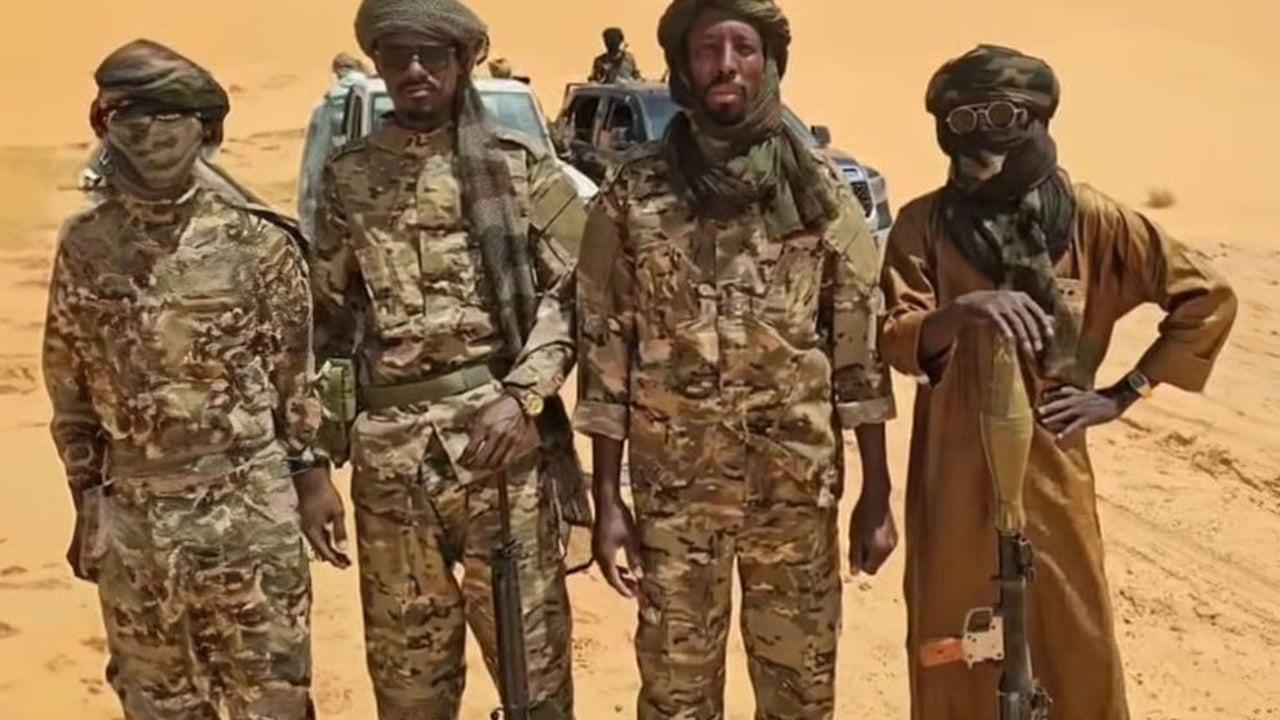
A rebel group supporting deposed President Mohamed Bazoum, the MPLJ, has intensified its armed resistance against Niger's military junta, claiming responsibility for recent deadly attacks on security forces and infrastructure in the country's north, demanding a return to constitutional order.
Imagine a new group of leaders took over a country, but many people didn't like it. A group called MPLJ, who want the old leader back, started fighting the new leaders. They recently attacked some police and army posts far in the north, causing damage and deaths. They also sometimes try to stop oil from flowing through a big pipeline, hoping to make the new leaders give up and bring back the old ways.
Analysis
Séguédine
The recent attacks by the MPLJ targeted mixed security posts in Séguédine, a remote locality in extreme northern Niger. These assaults, which occurred on a Friday, reportedly resulted in multiple fatalities among Nigerien security forces and caused significant material damage, including the burning of military camp sections and vehicles. The MPLJ specifically claimed to have inflicted "15 victims" on the FDS and seized "rolling stock and a quantity of weapons and ammunition," though this toll has not been independently verified. The location of these attacks, far in the north, highlights the MPLJ's operational reach and its ability to strike at government presence in less accessible areas.
These incidents underscore the persistent insecurity in Niger, even in areas distant from the capital. The lack of immediate communication from Nigerien authorities regarding the attacks suggests either a delay in information gathering or a strategic silence, further complicating the assessment of the situation on the ground. The involvement of various security forces—police, gendarmerie, and customs—in the targeted posts indicates a broad challenge to state authority across different sectors.
Mohamed Bazoum
The MPLJ explicitly identifies itself as a rebel group supporting the deposed President Mohamed Bazoum, who was overthrown in a July 2023 coup and remains detained. The movement's primary demand is the restoration of constitutional order in Niger, directly challenging the legitimacy of the military junta led by General Abdourahamane Tiani. By intensifying its attacks, the MPLJ aims to exert pressure on the junta, demonstrating continued resistance and a refusal to accept the current military rule.
This alignment with Bazoum provides a political dimension to the armed struggle, framing it as a fight for democratic principles against an illegitimate government. The ongoing detention of Bazoum serves as a rallying point for the MPLJ, fueling their narrative of resistance and their calls for international intervention or support for their cause. The group's actions are a direct challenge to the junta's narrative of having stabilized the country post-coup.
Moussa Konaï
The leader of the MPLJ, Moussa Konaï, has been publicly labeled a "terrorist" by the Niamey authorities, underscoring the junta's hardline stance against the group. Konaï's leadership is central to the MPLJ's operations and its public communications, such as the Facebook statement claiming responsibility for the Séguédine attacks. This branding by the government aims to delegitimize the movement and justify military action against it.
Beyond direct assaults on security forces, the MPLJ under Konaï has also engaged in sporadic attacks against the 2,000 km oil pipeline transporting Nigerien crude to Benin. These actions, including a repelled attack in February near oil wells in the northeast, indicate a strategy to disrupt vital economic infrastructure, further pressuring the junta and potentially impacting Niger's revenue streams. The group's sustained activity, despite being branded as terrorists, suggests a persistent and organized opposition capable of both military and economic disruption.
Key points
- The MPLJ, a pro-Bazoum rebel group, claimed responsibility for recent attacks on security posts in Séguédine, northern Niger.
- These attacks reportedly resulted in multiple deaths among Nigerien security forces and significant material damage.
- The MPLJ demands the return to constitutional order and the release of deposed President Mohamed Bazoum.
- The group has also targeted the 2,000 km oil pipeline transporting Nigerien crude to Benin in previous sporadic attacks.
- Nigerien authorities, led by General Abdourahamane Tiani, have labeled the MPLJ and its leader, Moussa Konaï, as "terrorists."
If the MPLJ's actions gain broader support or significantly disrupt the junta's control, it could potentially force the military government to negotiate a return to constitutional order, leading to a more stable and democratically elected government in Niger.
The intensification of MPLJ attacks risks escalating the conflict into a wider civil unrest, further destabilizing Niger, increasing casualties, and potentially disrupting critical infrastructure like the oil pipeline, leading to economic hardship and a humanitarian crisis.