Nike charges World Cup fans the most for replica shirts after price surge
Nike-backed World Cup replica shirts are the priciest, with England fans facing £90 for an adult top. Prices have risen well above inflation, while counterfeit demand is growing.
Intelligence analysis by GPT-5.4 Mini
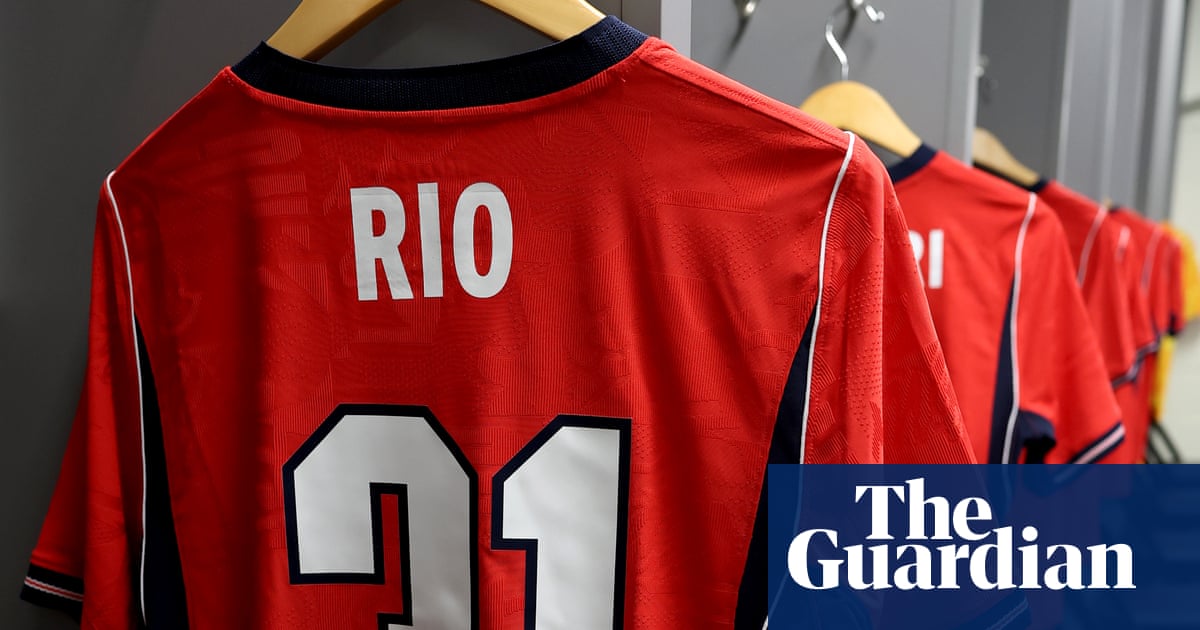
The Guardian says official World Cup shirt prices have climbed sharply, with Nike kit the most expensive for several national teams and England fans paying the most in the UK comparison. The piece links higher retail prices to booming replica sales and a growing counterfeit market.
World Cup shirts are like souvenir candy bars that keep getting pricier every tournament. Nike’s versions are the most expensive for many teams, so some fans may buy fake ones instead, even though those can be bad quality or never arrive.
Analysis
What changed
The article says World Cup replica shirts have become noticeably more expensive across the big kit makers, with Nike charging the highest average prices for several teams. For England, France and Brazil, the average adult Nike replica shirt is €110, or about £95, while Adidas and Puma are lower at around €100.
In the UK, that difference is visible on the shelf. The Guardian reports an adult England replica at £90, compared with £75 for Scotland’s Adidas shirt. The premium version worn by players is even more expensive, at £135 for England and £120 for Scotland.
Why the story matters
The piece uses market research from Dr Peter Rohlmann to show that these prices are not a one-off jump. Across the last five World Cups, the average adult stadium shirt price has risen 53% since 2010, from €65 to €100. For England shirts specifically, the price has moved from £45 in 2010 to £75 in 2022, and now £90.
The article says replica kits are a large business, with Rohlmann estimating 18 million to 23 million shirts could be sold for this tournament. Adidas, Nike and Puma are expected to take close to 80% of those sales.
Pushback and risks
Nike says it reviews product costs and points to rising material, manufacturing and logistics expenses. Adidas says pricing reflects technology, development and materials, while also noting broader cost pressures in the industry. The downside is that high prices may encourage counterfeit buying: KitLegit says 30% to 40% of shirts in circulation are counterfeit, and its co-founder says cost-of-living pressure is helping drive demand for fakes.
Key points
- Nike replica shirts are the most expensive for several World Cup teams, including England.
- An adult England replica shirt costs £90 in the UK, versus £75 for Scotland's Adidas shirt.
- The article says average stadium shirt prices are up 53% since the 2010 World Cup.
- Rohlmann estimates 18 million to 23 million shirts could be sold for the tournament.
- Higher prices may be pushing some fans toward counterfeit shirts and shady websites.
If the brands’ pricing reflects real production and development costs, they may keep investing in higher-quality shirts and more product choices. The article also suggests official replica sales remain very strong, which could support the wider football merchandise market.
If prices keep rising faster than fans’ budgets, more buyers may turn to counterfeit shirts or rogue websites. That could mean disappointment for consumers and a bigger market for fakes, which the article says are already widespread.