Nikol Pashinyan reappointed as Armenia’s prime minister
Armenian President Vahagn Khachaturyan has reappointed Nikol Pashinyan as prime minister, following his Civil Contract party’s victory in the June parliamentary election.
Intelligence analysis by Llama
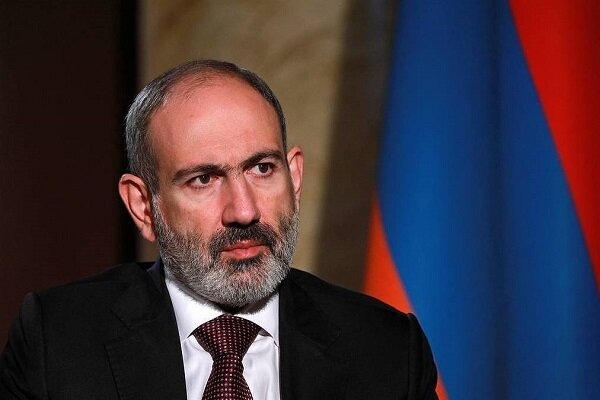
Armenian President Vahagn Khachaturyan has reappointed Nikol Pashinyan as prime minister, following his Civil Contract party’s victory in the June parliamentary election. Pashinyan’s party secured a parliamentary majority in the June vote, paving the way for him to remain head of government.
Imagine Armenia is a country with a new government. The new government, led by Nikol Pashinyan, has just been reappointed by the president. This means Pashinyan gets to stay in charge and make decisions for the country. It's like a big vote of confidence in him and his team.
Analysis
A Vote of Confidence for Nikol Pashinyan
The reappointment of Nikol Pashinyan as prime minister of Armenia is a significant development in the country's domestic politics. Following his Civil Contract party's victory in the June parliamentary election, Pashinyan has been reappointed as prime minister by President Vahagn Khachaturyan. This move is seen as a vote of confidence in Pashinyan's leadership and his party's ability to govern effectively.
The reappointment of Pashinyan is significant because it paves the way for him to remain head of government. Under Armenia's constitution, the previous government resigns after the first sitting of a newly elected National Assembly, but continues to serve in a caretaker capacity until a new cabinet is formed. Pashinyan's party secured a parliamentary majority in the June vote, which has given him the mandate to form a new government.
Implications for Armenia's Relations with Neighboring Countries
The reappointment of Pashinyan is also significant for Armenia's relations with neighboring countries, particularly Iran. Armenia and Iran have a long-standing relationship, and Pashinyan's government has been working to strengthen ties between the two countries. The reappointment of Pashinyan is likely to continue this trend, and may lead to further cooperation between the two countries on issues such as trade and security.
The Road Ahead
The reappointment of Pashinyan is a significant development for Armenia's domestic politics, and is likely to have implications for the country's relations with neighboring countries. As Pashinyan's government continues to work towards strengthening ties with Iran and other regional countries, it will be interesting to see how these relationships evolve in the coming months.
Key points
- Nikol Pashinyan has been reappointed as prime minister of Armenia following his Civil Contract party's victory in the June parliamentary election.
- Pashinyan's party secured a parliamentary majority in the June vote, paving the way for him to remain head of government.
- The reappointment of Pashinyan is significant for Armenia's domestic politics and its relations with neighboring countries, particularly Iran.
If Pashinyan's government continues to work effectively, it could lead to increased cooperation between Armenia and its neighboring countries, including Iran. This could result in increased trade and economic opportunities for Armenia, as well as improved security ties with its regional partners.
However, if Pashinyan's government struggles to deliver on its promises, it could lead to increased tensions between Armenia and its neighbors. This could result in decreased cooperation and increased security risks for the country.