NKF pushes for more sustainable dialysis to reduce carbon footprint and ease staff’s back pain
The National Kidney Foundation (NKF) in Singapore has implemented sustainable practices to reduce its carbon footprint and ease staff's back pain. The NKF has introduced a Centralised Acid Concentrate Delivery System, which reduces plastic waste and carbon emissions, and …
Intelligence analysis by Llama
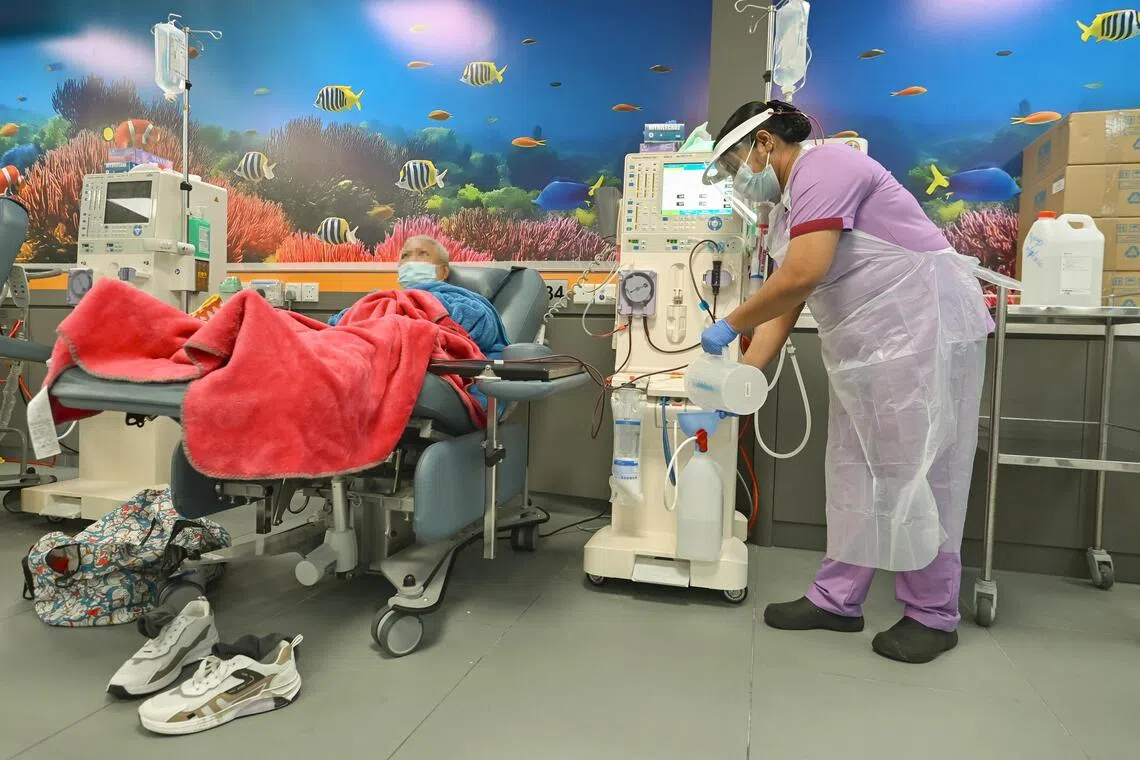
The National Kidney Foundation (NKF) in Singapore has implemented sustainable practices to reduce its carbon footprint and ease staff's back pain. The NKF has introduced a Centralised Acid Concentrate Delivery System, which reduces plastic waste and carbon emissions, and has saved the NKF $115,000 a year. This system has also reduced staff injuries caused by lifting containers by 80%.
Imagine you have a machine that helps people's kidneys work when they're not working properly. This machine makes a lot of waste, and the people who take care of it have to lift heavy containers all day. The National Kidney Foundation in Singapore has found a way to make the machine work better and make the people's jobs easier. They've made a special system that delivers the right liquid to the machine, so the people don't have to lift as much. This makes their jobs less painful and helps the environment too.
Analysis
A $60B Vote of Confidence
The National Kidney Foundation (NKF) in Singapore has taken a significant step towards reducing its carbon footprint and improving the working conditions of its staff. The NKF has implemented sustainable practices, including the introduction of a Centralised Acid Concentrate Delivery System, which has reduced plastic waste and carbon emissions, and has saved the NKF $115,000 a year. This system has also reduced staff injuries caused by lifting containers by 80%.
Why Cursor?
The NKF's sustainable practices are important because they not only reduce the carbon footprint of the dialysis process but also improve the working conditions of the staff. This is a step towards a more environmentally friendly healthcare sector. The NKF has also reduced its energy consumption by 5.8% and has become the first in the renal sector to get the BCA Green Mark Gold Plus Certification.
The Road Ahead
The NKF's sustainable practices are a significant step towards reducing the carbon footprint of the dialysis process. However, there is still more work to be done. The NKF needs to continue to identify opportunities for waste reduction and recycling across the dialysis process. Additionally, the NKF needs to educate its staff on the importance of sustainable practices and provide them with the necessary training and resources to implement these practices.
Key points
- The National Kidney Foundation (NKF) in Singapore has implemented sustainable practices to reduce its carbon footprint and ease staff's back pain.
- The NKF has introduced a Centralised Acid Concentrate Delivery System, which reduces plastic waste and carbon emissions, and has saved the NKF $115,000 a year.
- This system has also reduced staff injuries caused by lifting containers by 80%.
- The NKF has reduced its energy consumption by 5.8% and has become the first in the renal sector to get the BCA Green Mark Gold Plus Certification.
- The NKF needs to continue to identify opportunities for waste reduction and recycling across the dialysis process.
If the NKF's sustainable practices continue to be implemented, it could lead to a significant reduction in the carbon footprint of the dialysis process. This could also lead to improved working conditions for the staff and a more environmentally friendly healthcare sector.
However, there are still challenges to be addressed, such as the high cost of implementing sustainable practices and the need for ongoing education and training for staff. Additionally, there may be resistance to change from some staff members, which could hinder the implementation of sustainable practices.